


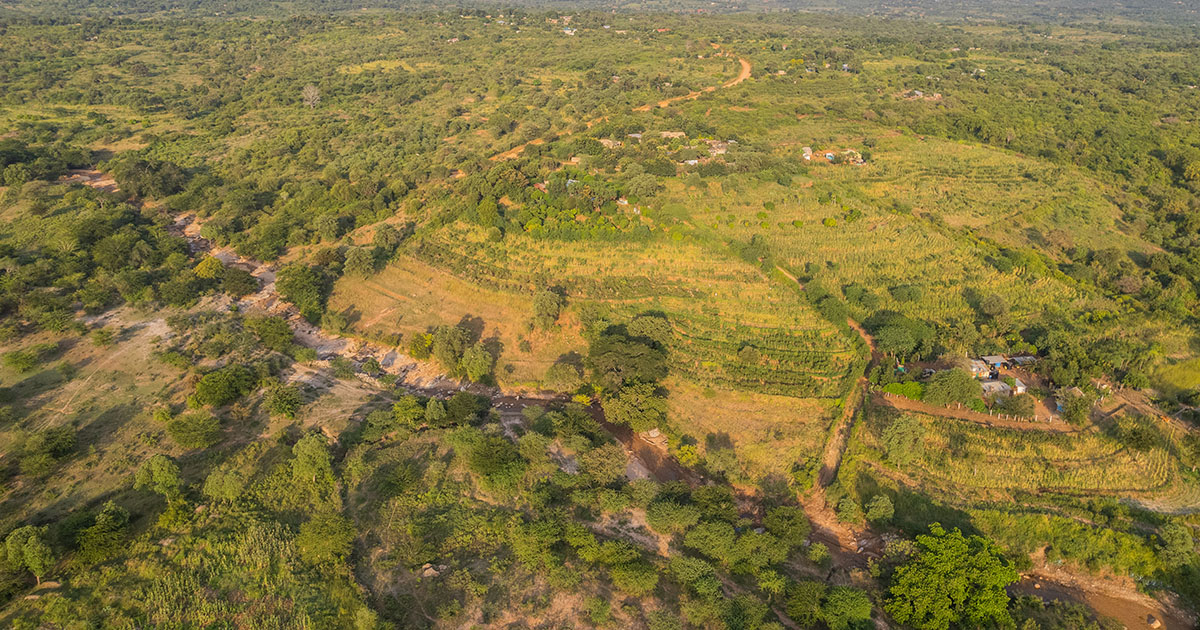







Forests provide critical ecosystem services—provisioning, regulating, and cultural—that support biodiversity, human well-being, and climate resilience. While wood remains the most documented forest product, non-wood forest products and services such as wild foods and recreation are increasingly recognized for their cultural and economic value. This special topic highlights the importance of viewing forests as multifunctional landscapes and underscores the role of governance in shaping forest use. Studies from Ethiopia and Malaysia illustrate how household fuelwood use and indigenous land rights intersect with carbon emissions and climate policy. Strengthening inclusive governance frameworks is essential to ensure forests contribute equitably to climate mitigation, biodiversity conservation, and sustainable development.
This work is licensed under CC-BY 4.0

This work is licensed under CC-BY 4.0
DOI:
https://doi.org/10.3389/ffgc.2025.1620331Altmetric score:
Dimensions Citation Count:
Export citation:
RIS (.ris)
TI  - Editorial: Socioeconomic implications of forests and forestry in a changing climate and governance
AU  - Purwestri, R.C.
AU  - Lusiana, B.
AB  - Forests provide critical ecosystem services—provisioning, regulating, and cultural—that support biodiversity, human well-being, and climate resilience. While wood remains the most documented forest product, non-wood forest products and services such as wild foods and recreation are increasingly recognized for their cultural and economic value. This special topic highlights the importance of viewing forests as multifunctional landscapes and underscores the role of governance in shaping forest use. Studies from Ethiopia and Malaysia illustrate how household fuelwood use and indigenous land rights intersect with carbon emissions and climate policy. Strengthening inclusive governance frameworks is essential to ensure forests contribute equitably to climate mitigation, biodiversity conservation, and sustainable development.
PY  - 2025
UR  - https://www.cifor-icraf.org/knowledge/publication/44718/
DO  - https://doi.org/10.3389/ffgc.2025.1620331
KW  - biodiversity, carbon sequestration, climate change mitigation, ecosystem services, forest management, forests, indigenous knowledge, landscape, livelihoods, nonwood forest products
ER  -
Endnote (.ciw)
%T Editorial: Socioeconomic implications of forests and forestry in a changing climate and governance
%A Purwestri, R.C.
%A Lusiana, B.
%D 2025
%U https://www.cifor-icraf.org/knowledge/publication/44718/
%R https://doi.org/10.3389/ffgc.2025.1620331
%X Forests provide critical ecosystem services—provisioning, regulating, and cultural—that support biodiversity, human well-being, and climate resilience. While wood remains the most documented forest product, non-wood forest products and services such as wild foods and recreation are increasingly recognized for their cultural and economic value. This special topic highlights the importance of viewing forests as multifunctional landscapes and underscores the role of governance in shaping forest use. Studies from Ethiopia and Malaysia illustrate how household fuelwood use and indigenous land rights intersect with carbon emissions and climate policy. Strengthening inclusive governance frameworks is essential to ensure forests contribute equitably to climate mitigation, biodiversity conservation, and sustainable development.
%K biodiversity
%K carbon sequestration
%K climate change mitigation
%K ecosystem services
%K forest management
%K forests
%K indigenous knowledge
%K landscape
%K livelihoods
%K nonwood forest products
Publication year
2025
ISSN
2624-893X
Authors
Language
English
Keywords
biodiversity, carbon sequestration, climate change mitigation, ecosystem services, forest management, forests, indigenous knowledge, landscape, livelihoods, nonwood forest products
Source
Frontiers in Forests and Global Change. 8: 1620331