






SPECIAL SESSION
Blue values: Unlocking the full potential of marine ecosystem services

This session will explore innovative strategies, advanced technologies, and forward-looking policies to maximise the benefits provided by coastal and marine ecosystems in the Western Indian Ocean (WIO) region. Discussions will cover the use of tools such as remote sensing and artificial intelligence for ecosystem monitoring, the adoption of coherent policies to drive sustainable development, and the empowerment of local communities as central partners in conservation and management.
Rationale
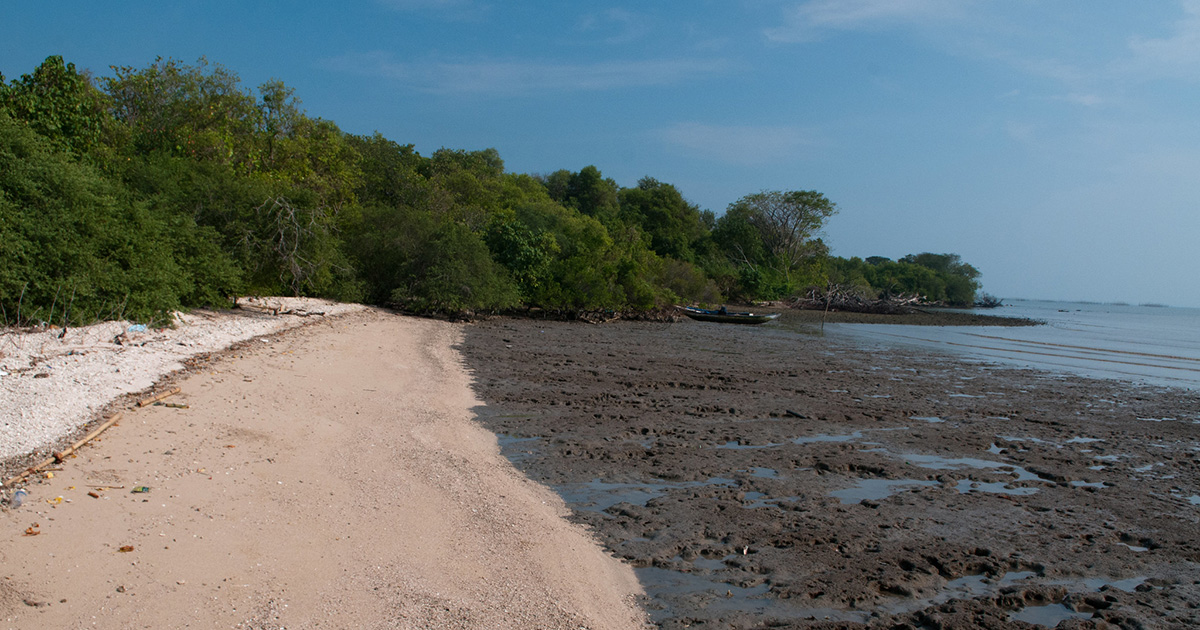
The Western Indian Ocean (WIO) region is home to vital coastal and marine ecosystems such as mangroves, seagrasses and coral reefs. These ecosystems play a crucial role in storing carbon, conserving biodiversity, and sustaining livelihoods. However, the region’s blue economy potential remains largely untapped due to a narrow focus on blue carbon markets — where individuals, companies and governments buy and sell carbon credits generated by protecting or restoring coastal habitats that naturally absorb and store carbon dioxide.
While valuable, this approach captures only part of the picture. Transitioning to a more holistic blue value framework would reveal the full worth of these coastal marine ecosystems to both nature and society. This comprehensive approach considers not only carbon storage, but also the broader ecological, cultural and economic benefits – from coastal protection and fisheries to tourism and cultural heritage.
Session highlights
- Beyond blue carbon:Reframing coastal and marine ecosystem services by highlighting the multidimensional benefits of these ecosystems, including biodiversity conservation, livelihoods and climate regulation.
- Leveraging technology for assessing blue values:Exploring the role of remote sensing, artificial intelligence and data-sharing platforms in monitoring and valuing ecosystem services.
- Case study – Marketing marine ecosystem services:Insights from Mikoko Pamoja, a community-based blue carbon initiative in Kenya.
- Integrating ecosystem service valuation into policy frameworks:Aligning development plans with both ecological and socioeconomic benefits for balanced, sustainable growth.
- Financing mechanisms to unlock blue value:Innovative strategies for securing long-term funding for coastal and marine conservation.
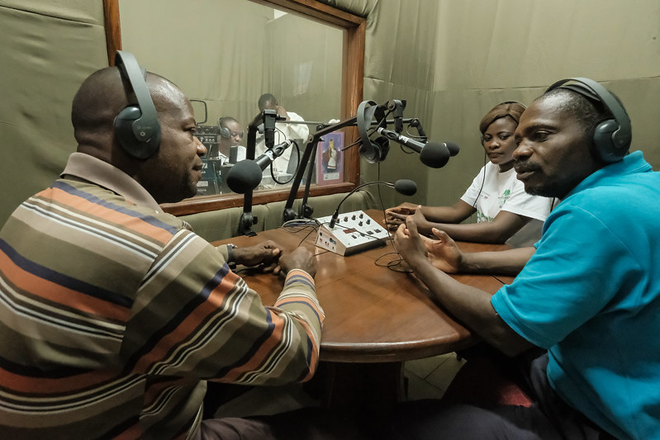
- Science communication:Advancing ocean science impact through effective communication and engagement.
Session outcomes
- A roadmap for transitioning from blue carbon to broader ecosystem service frameworks
- Concrete policy recommendations and action plans for scaling up coastal and marine ecosystem services
- Strengthened regional collaboration and partnerships for sustainable coastal ecosystem governance.

Lorna Nyaga

Ivy Amugune

Josphat Nguu

Jacklin Karimi

James Kairo

James Mburu

Steven Lutz

Rob Barnes