
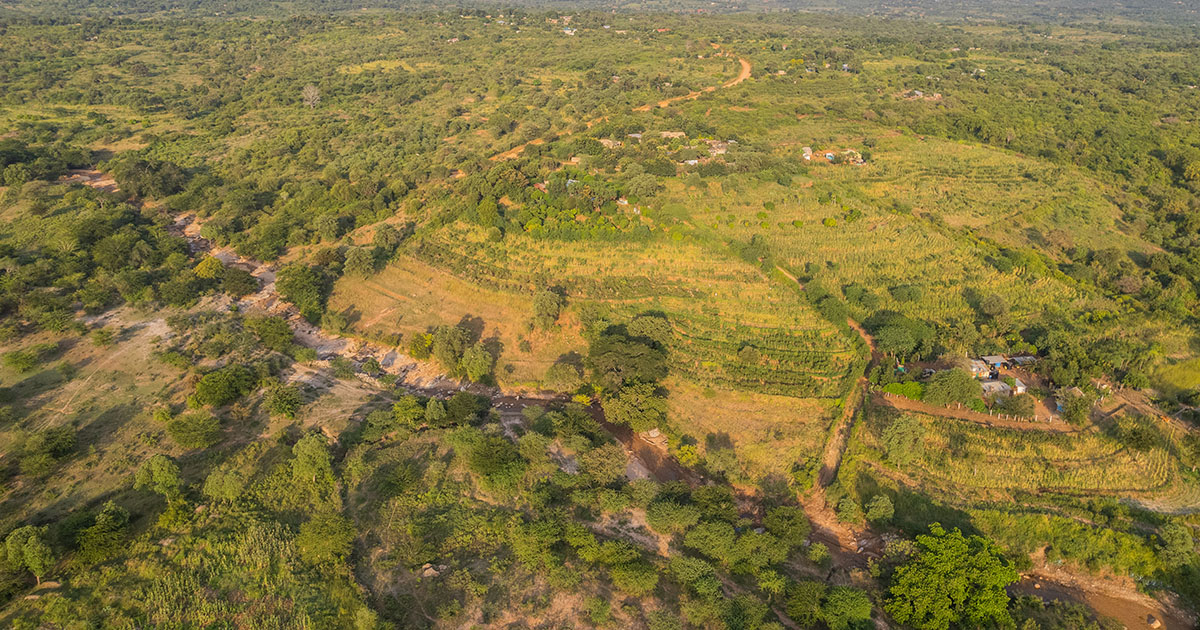




The current data sets were generated as part of the master thesis entitled “Trees on farms contribution to rural families livelihoods in two municipalities of Nicaragua-Honduras Sentinel Landscape” as part of the CATIE master program in Agroforestry and Sustainable Agriculture 2014-2016 . The study was carried out in two municipalities of the Nicaragua-Honduras Sentinel Landscape. Tree census and semi structure interviews were carried out in 45 farms of La Dalia and 45 farms of Waslala municipalities. In each farm, five productive land uses were considered: cocoa plantation, coffee plantation, pastures, basic grains and home gardens. All trees ≥ of 10 cm of diameter at breast height (dbh) were censed (but fruit trees with ≥5 cm of dbh), and their common and scientific names, dap, commercial height, and the diameter at the commercial height were recorded. For trees with more than one stem the quadratic mean diameter was calculated. Farmer uses of trees products and their availability was measured based on interviews with the farm manager and field measurements. Tree products were categorized based on the main product harvested by the farmers: timber, firewood, fruit, post and service (e.g. shadow, soil improver). Additionally, the fruit trees were classified in five productive stages based on their dbh and farmer’s criteria: unproductive young, little productive young, productive, little productive old and unproductive old. Tree products availability was recorded for 2014, variables such as amounts, destiny of the production (sale or familiar consumption), harvested season, farm labor as person-hours were recorded. Additionally, the value of the products as prices declared by farmers and by sellers, local markets and details of cost transportations were recorded. The data set has five files and each one with their respective description.
Dataset's Files
Terms of use
This dataset is made available under the Creative Commons Attribution 4.0 International license (CC-BY-4.0). The license allows you, the user, to copy and redistribute the material in any medium or format and/or transform, and build upon the material for any purpose, even commercially.
 .
.
.

