


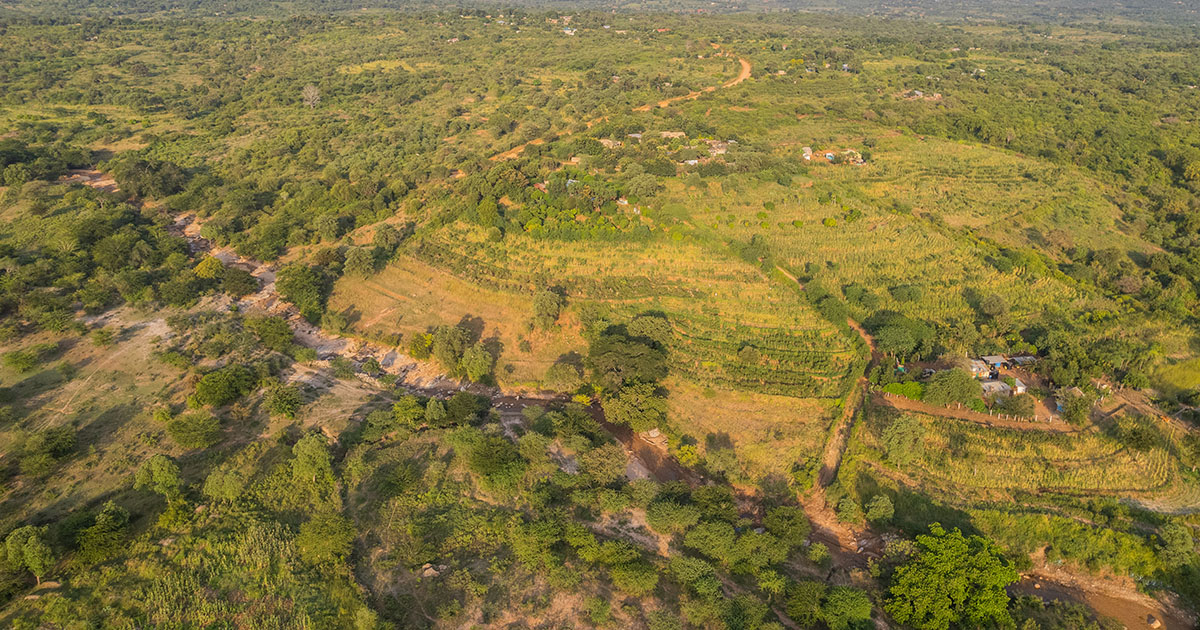







Over 70 years of familiarity with cocoa agroforests enables farmers of southern Cameroon to obtain food, medicinal plants and income from the ecosystem. Since 1994, social forestry activities in Cameroon have focused primarily on the idea of community forests. This approach is likely to encounter problems inherent in the way that administration works and in the structure of the communities. The ban on individuals exploiting non-timber forest products (NTFPs) and timber from community forests for profit increases the appeal of "private" land (such as cocoa agroforests). This paper argues that the objectives of the community forestry programme could partially be met through the good management of cocoa agroforests. This paper recommends that: 1. community forestry projects be designed to form part of a general land management concept which includes cocoa agroforests; 2. NTFPs be domesticated in cocoa agroforests to reduce pressure on the forest and 3. domestication projects take account of the intra- and inter-specific diversity of forests in the zone.
Export citation:
RIS (.ris)
TI  - The role of cocoa agroforestry in rural and community forestry in southern Cameroon
AU  - Sonwa, D.J.
AU  - Weise, S.F.
AU  - Tchatat, M.
AU  - Nkongmeneck, A.B.
AU  - Ndoye, O.
AU  - Gockowski, J.
AB  - Over 70 years of familiarity with cocoa agroforests enables farmers of southern Cameroon to obtain food, medicinal plants and income from the ecosystem. Since 1994, social forestry activities in Cameroon have focused primarily on the idea of community forests. This approach is likely to encounter problems inherent in the way that administration works and in the structure of the communities. The ban on individuals exploiting non-timber forest products (NTFPs) and timber from community forests for profit increases the appeal of "private" land (such as cocoa agroforests). This paper argues that the objectives of the community forestry programme could partially be met through the good management of cocoa agroforests. This paper recommends that: 1. community forestry projects be designed to form part of a general land management concept which includes cocoa agroforests; 2. NTFPs be domesticated in cocoa agroforests to reduce pressure on the forest and 3. domestication projects take account of the intra- and inter-specific diversity of forests in the zone.
PY  - 2001
UR  - https://www.cifor-icraf.org/knowledge/publication/1060/
KW  - agriforestry, agro-forestry, agroforestry, cocoa, community forestry, community involvement, land management, minor forest products, non-timber forest products, nontimber forest products, projects
ER  -
Endnote (.ciw)
%T The role of cocoa agroforestry in rural and community forestry in southern Cameroon
%A Sonwa, D.J.
%A Weise, S.F.
%A Tchatat, M.
%A Nkongmeneck, A.B.
%A Ndoye, O.
%A Gockowski, J.
%D 2001
%U https://www.cifor-icraf.org/knowledge/publication/1060/
%X Over 70 years of familiarity with cocoa agroforests enables farmers of southern Cameroon to obtain food, medicinal plants and income from the ecosystem. Since 1994, social forestry activities in Cameroon have focused primarily on the idea of community forests. This approach is likely to encounter problems inherent in the way that administration works and in the structure of the communities. The ban on individuals exploiting non-timber forest products (NTFPs) and timber from community forests for profit increases the appeal of "private" land (such as cocoa agroforests). This paper argues that the objectives of the community forestry programme could partially be met through the good management of cocoa agroforests. This paper recommends that: 1. community forestry projects be designed to form part of a general land management concept which includes cocoa agroforests; 2. NTFPs be domesticated in cocoa agroforests to reduce pressure on the forest and 3. domestication projects take account of the intra- and inter-specific diversity of forests in the zone.
%K agriforestry
%K agro-forestry
%K agroforestry
%K cocoa
%K community forestry
%K community involvement
%K land management
%K minor forest products
%K non-timber forest products
%K nontimber forest products
%K projects
Publication year
2001
Authors
Sonwa, D.J.; Weise, S.F.; Tchatat, M.; Nkongmeneck, A.B.; Ndoye, O.; Gockowski, J.
Language
English
Keywords
agriforestry, agro-forestry, agroforestry, cocoa, community forestry, community involvement, land management, minor forest products, non-timber forest products, nontimber forest products, projects
Source
Rural Development Forestry Network. (25g): 10-Jan
Geographic
Cameroon