

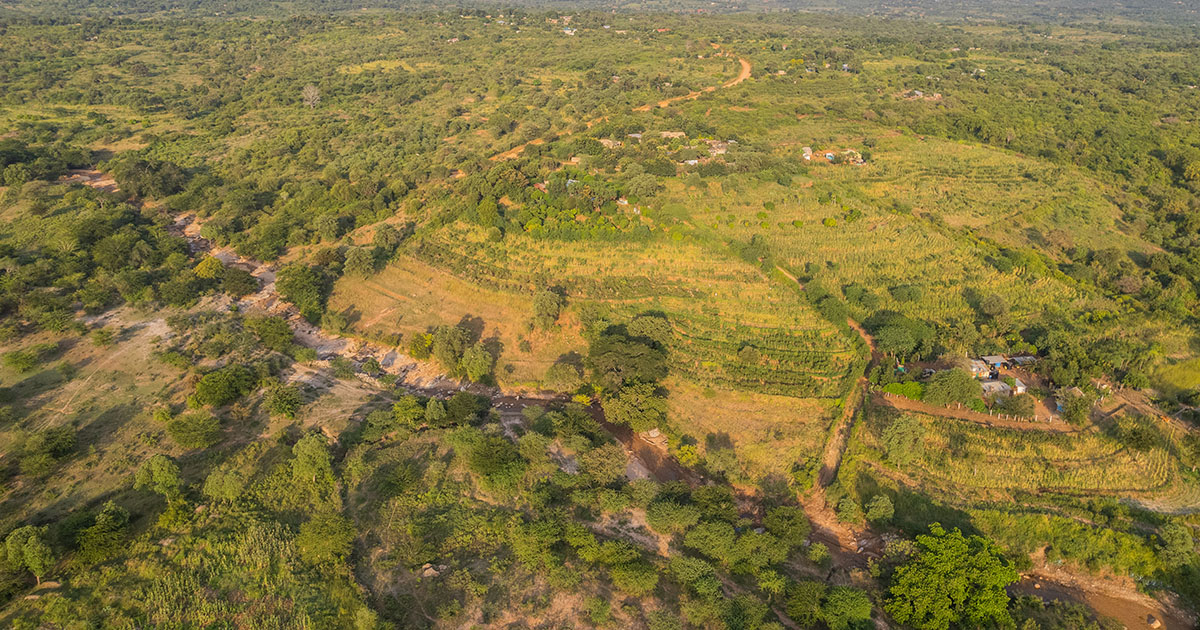







Women and men have different sets of knowledge, experiences, and strategies in addressing aspects of plant domestication such as plant propagation, management, utilisation and marketing. Identification of gender roles and knowledge related to tree domestication is important in planning for tree-based livelihood enhancement and sustainable environmental management, however, such identification has not yet been sufficiently researched to date. This study investigated gendered selection of economically priority species and their domestication in South and Southeast Sulawesi. From the focus group discussion, both men and women give priority to tree species with high economic value; the management of those species is a stronger priority for men but is also expressed by women. However, specifically for their livelihoods, women are keen to domesticate vegetables and other annual crops that contribute directly to household food security and nutrition.
This work is licensed under CC-BY 4.0

This work is licensed under CC-BY 4.0
DOI:
https://doi.org/10.1505/146554815816086453Altmetric score:
Dimensions Citation Count:
Export citation:
RIS (.ris)
TI  - Gender roles and knowledge in plant species selection and domestication: a case study in South and Southeast Sulawesi
AU  - Mulyoutami, E.
AU  - Roshetko, J.M.
AU  - Martini, E.
AU  - Awalina, D.
AU  - Janudianto
AB  - Women and men have different sets of knowledge, experiences, and strategies in addressing aspects of plant domestication such as plant propagation, management, utilisation and marketing. Identification of gender roles and knowledge related to tree domestication is important in planning for tree-based livelihood enhancement and sustainable environmental management, however, such identification has not yet been sufficiently researched to date. This study investigated gendered selection of economically priority species and their domestication in South and Southeast Sulawesi. From the focus group discussion, both men and women give priority to tree species with high economic value; the management of those species is a stronger priority for men but is also expressed by women. However, specifically for their livelihoods, women are keen to domesticate vegetables and other annual crops that contribute directly to household food security and nutrition.
PY  - 2015
UR  - https://www.cifor-icraf.org/knowledge/publication/11362/
DO  - https://doi.org/10.1505/146554815816086453
KW  - gender
ER  -
Endnote (.ciw)
%T Gender roles and knowledge in plant species selection and domestication: a case study in South and Southeast Sulawesi
%A Mulyoutami, E.
%A Roshetko, J.M.
%A Martini, E.
%A Awalina, D.
%A Janudianto
%D 2015
%U https://www.cifor-icraf.org/knowledge/publication/11362/
%R https://doi.org/10.1505/146554815816086453
%X Women and men have different sets of knowledge, experiences, and strategies in addressing aspects of plant domestication such as plant propagation, management, utilisation and marketing. Identification of gender roles and knowledge related to tree domestication is important in planning for tree-based livelihood enhancement and sustainable environmental management, however, such identification has not yet been sufficiently researched to date. This study investigated gendered selection of economically priority species and their domestication in South and Southeast Sulawesi. From the focus group discussion, both men and women give priority to tree species with high economic value; the management of those species is a stronger priority for men but is also expressed by women. However, specifically for their livelihoods, women are keen to domesticate vegetables and other annual crops that contribute directly to household food security and nutrition.
%K gender
Publication year
2015
ISSN
1465-5489
Authors
Mulyoutami, E.; Roshetko, J.M.; Martini, E.; Awalina, D.; Janudianto
Language
English
Keywords
gender
Source
International Forestry Review. 17(Supplement 4): 99-111
Geographic
Indonesia