


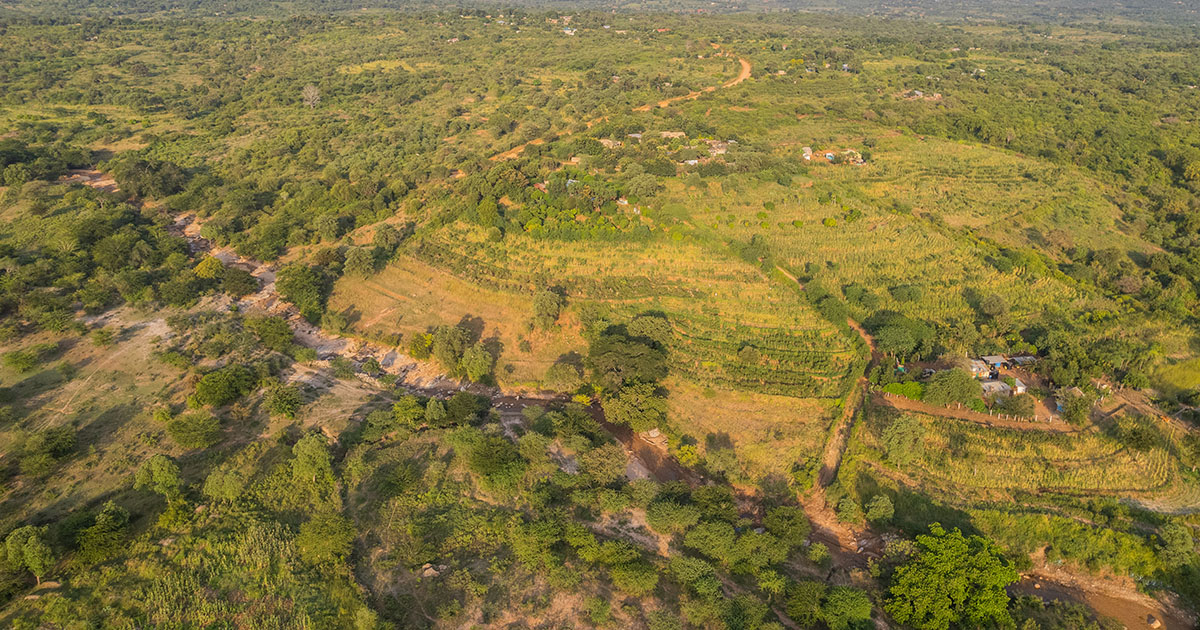
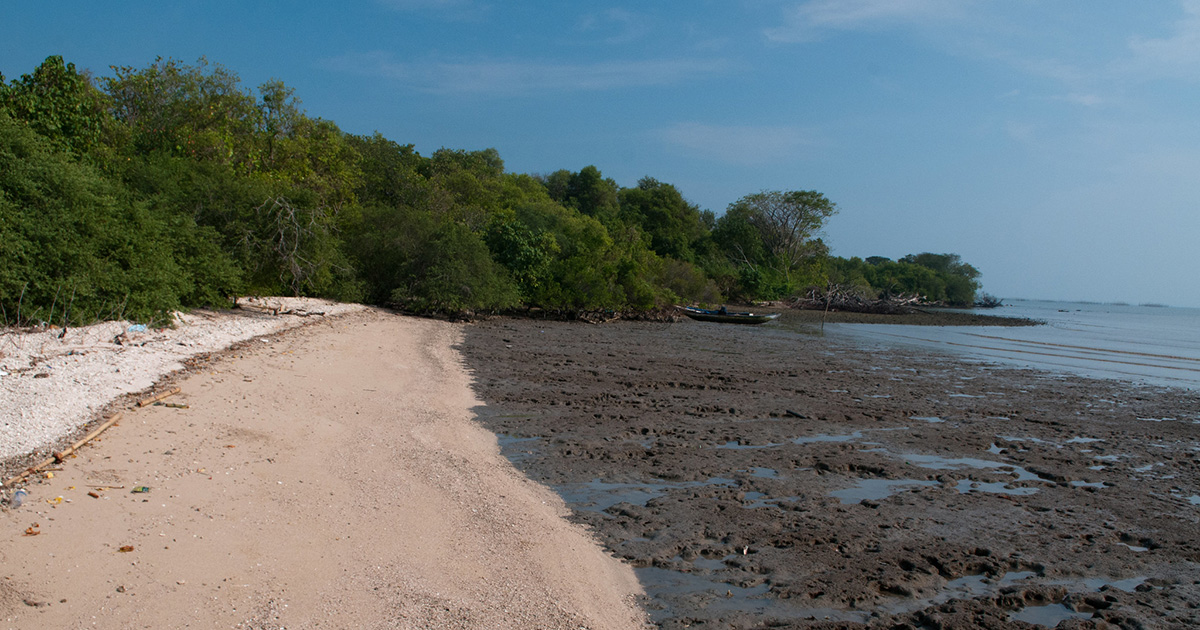






Increasing globalization of the economy has triggered development opportunities but has also had widespread negative effects on the environment and landscapes. The increasing global demand for agro- and tree-based commodities has caused clearing of forests, grasslands and wetlands and associated biodiversity; deterioration of watersheds; and soil and land degradation in agricultural and forest production areas. Furthermore, it is often accompanied with strong geographic inequalities (whether people are close or distant to value hubs), including uncontrolled and poorly designed urban settlements.
This work is licensed under CC-BY 4.0
This work is licensed under CC-BY 4.0
Export citation:
RIS (.ris)
TI  - Resilient Landscapes for Sustainable Trade and Development. Special Issue
AU  - Louman, B.
AU  - Scherr, S.
AU  - Gitz, V.
AU  - (ed)
AB  - Increasing globalization of the economy has triggered development opportunities but has also had widespread negative effects on the environment and landscapes. The increasing global demand for agro- and tree-based commodities has caused clearing of forests, grasslands and wetlands and associated biodiversity; deterioration of watersheds; and soil and land degradation in agricultural and forest production areas. Furthermore, it is often accompanied with strong geographic inequalities (whether people are close or distant to value hubs), including uncontrolled and poorly designed urban settlements.
PY  - 2023
UR  - https://www.cifor-icraf.org/knowledge/publication/18521/
KW  - development, landscape, trade
ER  -
Endnote (.ciw)
%T Resilient Landscapes for Sustainable Trade and Development. Special Issue
%A Louman, B.
%A Scherr, S.
%A Gitz, V.
%A (ed)
%D 2023
%U https://www.cifor-icraf.org/knowledge/publication/18521/
%X Increasing globalization of the economy has triggered development opportunities but has also had widespread negative effects on the environment and landscapes. The increasing global demand for agro- and tree-based commodities has caused clearing of forests, grasslands and wetlands and associated biodiversity; deterioration of watersheds; and soil and land degradation in agricultural and forest production areas. Furthermore, it is often accompanied with strong geographic inequalities (whether people are close or distant to value hubs), including uncontrolled and poorly designed urban settlements.
%K development
%K landscape
%K trade
Publication year
2023
ISSN
2073-445X
Authors
Louman, B.; Scherr, S.; Gitz, V.; (ed)
Language
English
Keywords
development, landscape, trade
Source
Land. :