
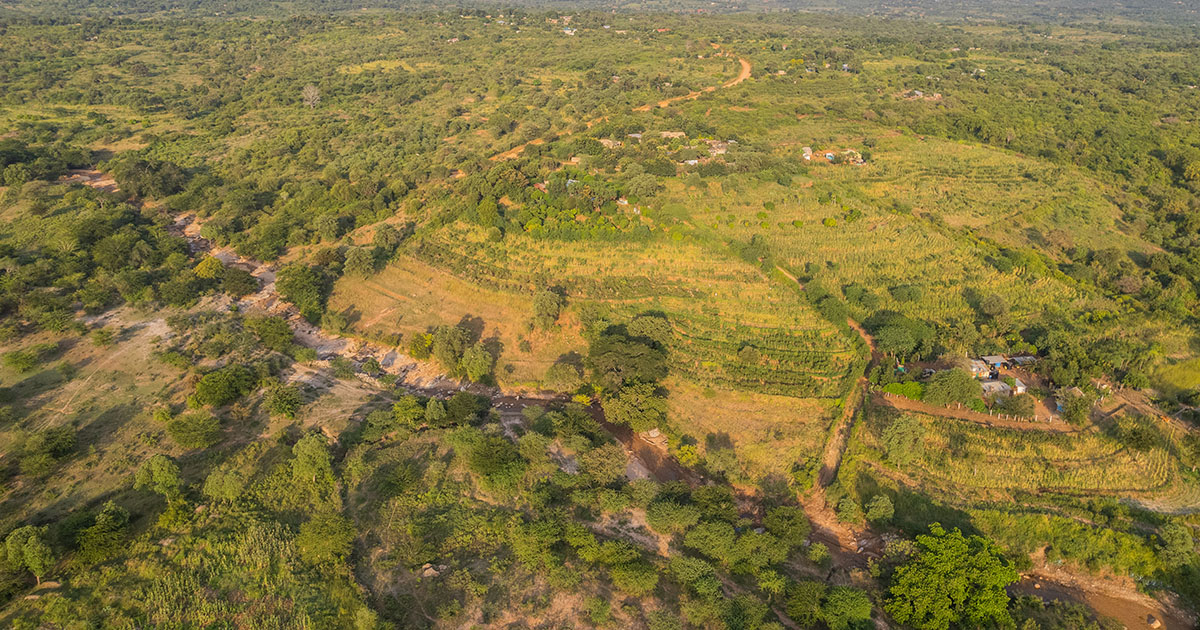



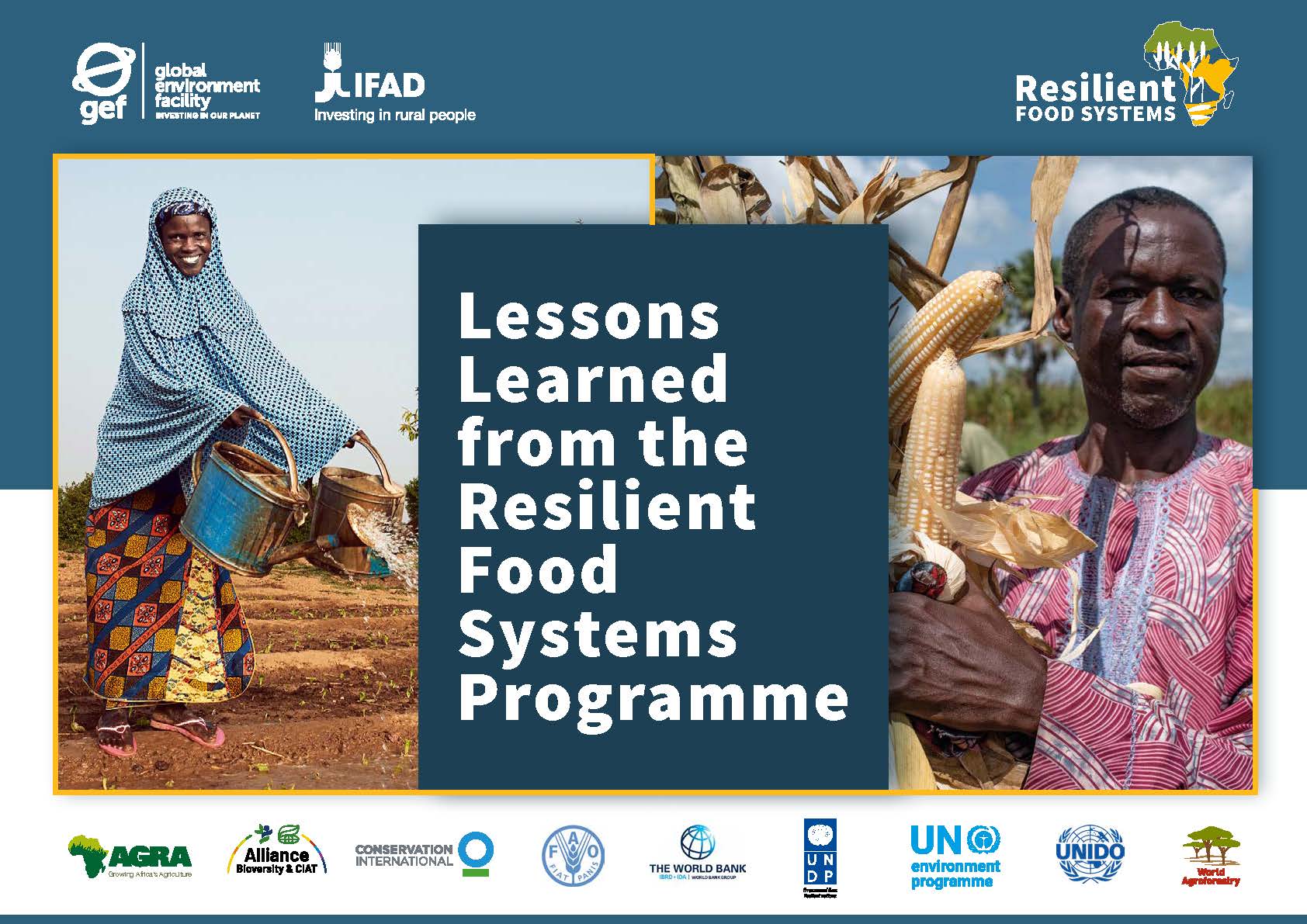


This publication presents some of the main lessons learned from the RFS programme, which lasted for six years between 2017 and 2023. It provides a reflection on the implementation, lessons learned, and observations around the key components of the RFS. The programmatic value-add of the RFS and the manner with which it was harnessed during implementation is conveyed through case studies drawn from the experience of the country projects across these components.
This work is licensed under CC-BY 4.0
This work is licensed under CC-BY 4.0
Export citation:
RIS (.ris)
TI  - Lessons Learned from the Resilient Food Systems Programme
AU  - Mentz, S.
AU  - North, H.
AB  - This publication presents some of the main lessons learned from the RFS programme, which lasted for six years between 2017 and 2023. It provides a reflection on the implementation, lessons learned, and observations around the key components of the RFS. The programmatic value-add of the RFS and the manner with which it was harnessed during implementation is conveyed through case studies drawn from the experience of the country projects across these components.
PY  - 2023
PB  - World Agroforestry (ICRAF)
PP  - Nairobi, Kenya
UR  - https://www.cifor-icraf.org/knowledge/publication/21998/
KW  - ecological restoration, food systems, participatory approach, project evaluation, sustainable development
ER  -
Endnote (.ciw)
%T Lessons Learned from the Resilient Food Systems Programme
%A Mentz, S.
%A North, H.
%D 2023
%I World Agroforestry (ICRAF)
%C Nairobi, Kenya
%U https://www.cifor-icraf.org/knowledge/publication/21998/
%X This publication presents some of the main lessons learned from the RFS programme, which lasted for six years between 2017 and 2023. It provides a reflection on the implementation, lessons learned, and observations around the key components of the RFS. The programmatic value-add of the RFS and the manner with which it was harnessed during implementation is conveyed through case studies drawn from the experience of the country projects across these components.
%K ecological restoration
%K food systems
%K participatory approach
%K project evaluation
%K sustainable development