


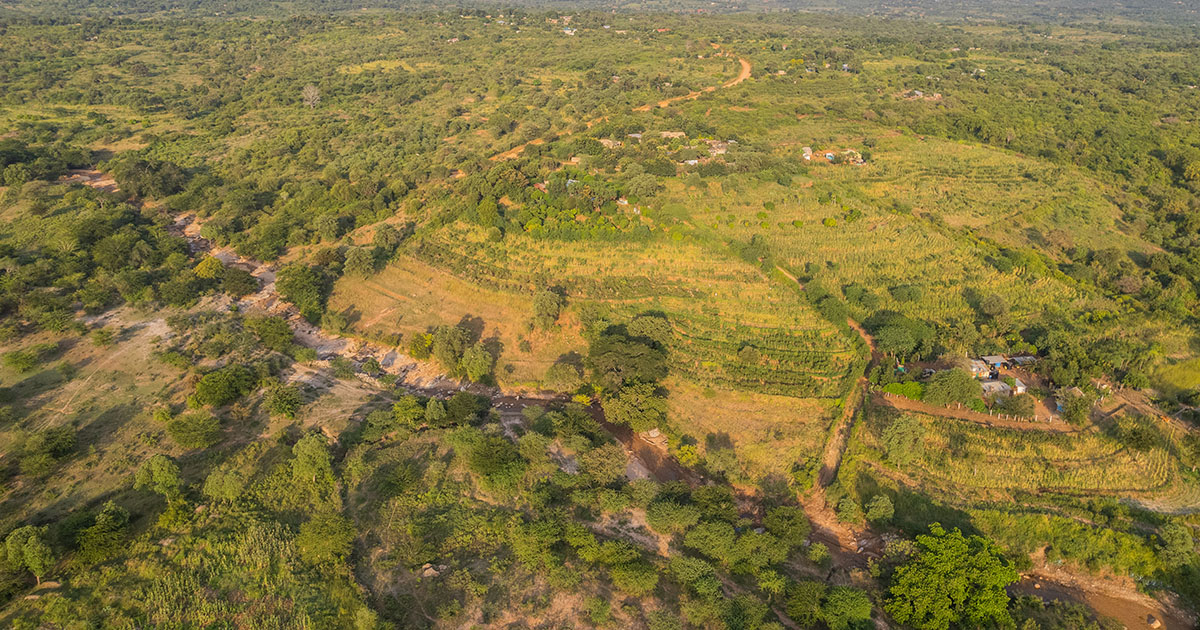
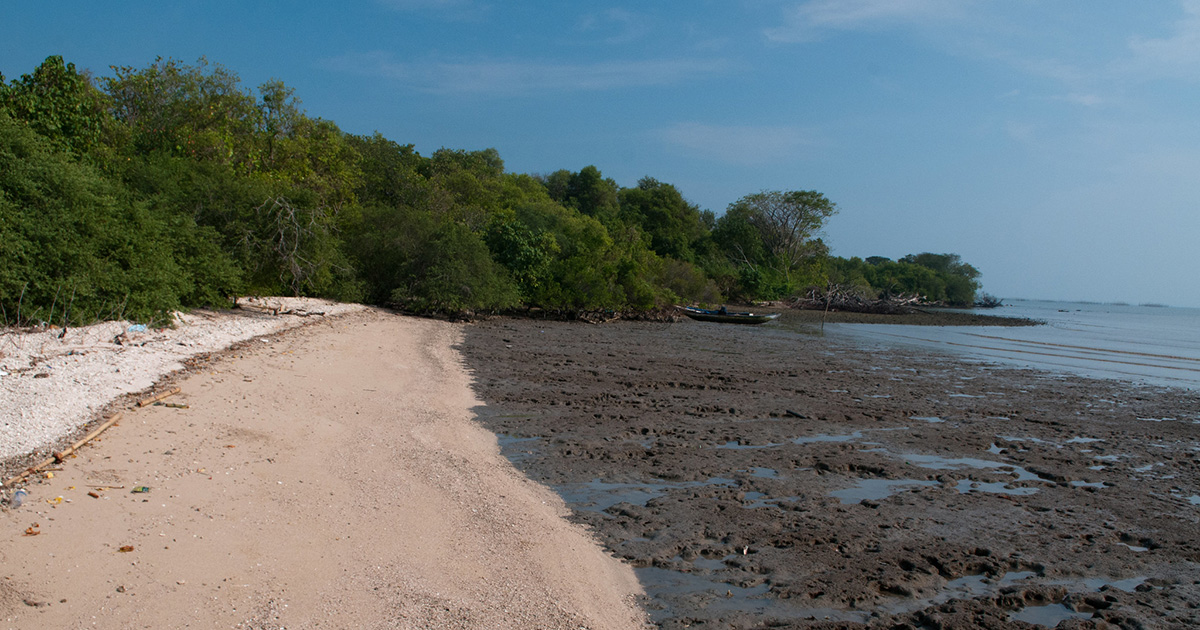






The International Union for Conservation of Nature (IUCN) Red List of Threatened Species is central in biodiversity conservation, but insufficient resources hamper its long-term growth, updating, and consistency. Models or automated calculations can alleviate those challenges by providing standardised estimates required for assessments, or prioritising species for (re-)assessments. However, while numerous scientific papers have proposed such methods, few have been integrated into assessment practice, highlighting a critical research–implementation gap. We believe this gap can be bridged by fostering communication and collaboration between academic researchers and Red List practitioners, and by developing and maintaining user-friendly platforms to automate application of the methods. We propose that developing methods better encompassing Red List criteria, systems, and drivers is the next priority to support the Red List. © 2021 Elsevier Ltd

DOI:
https://doi.org/10.1016/j.tree.2021.12.002Altmetric score:
Dimensions Citation Count:
Export citation:
RIS (.ris)
TI  - Bridging the research-implementation gap in IUCN Red List assessments
AU  - Cazalis, V.
AU  - Di, Marco, M.
AU  - Butchart, S.H.M.
AU  - Akçakaya, H.R.
AU  - González-Suárez, M.
AU  - Meyer, C.
AU  - Clausnitzer, V.
AU  - Böhm, M.
AU  - Zizka, A.
AU  - Cardoso, P.
AU  - Schipper, A.M.
AU  - Bachman, S.P.
AU  - Young, B.E.
AU  - Hoffmann, M.
AU  - Benítez-López, A.
AU  - Lucas, P.M.
AU  - Pettorelli, N.
AU  - Pato
AB  - The International Union for Conservation of Nature (IUCN) Red List of Threatened Species is central in biodiversity conservation, but insufficient resources hamper its long-term growth, updating, and consistency. Models or automated calculations can alleviate those challenges by providing standardised estimates required for assessments, or prioritising species for (re-)assessments. However, while numerous scientific papers have proposed such methods, few have been integrated into assessment practice, highlighting a critical research–implementation gap. We believe this gap can be bridged by fostering communication and collaboration between academic researchers and Red List practitioners, and by developing and maintaining user-friendly platforms to automate application of the methods. We propose that developing methods better encompassing Red List criteria, systems, and drivers is the next priority to support the Red List. © 2021 Elsevier Ltd
PY  - 2022
UR  - https://www.cifor-icraf.org/knowledge/publication/24057/
DO  - https://doi.org/10.1016/j.tree.2021.12.002
KW  - biodiversity conservation, extinction, remote sensing, threatened species
ER  -
Endnote (.ciw)
%T Bridging the research-implementation gap in IUCN Red List assessments
%A Cazalis, V.
%A Di, Marco, M.
%A Butchart, S.H.M.
%A Akçakaya, H.R.
%A González-Suárez, M.
%A Meyer, C.
%A Clausnitzer, V.
%A Böhm, M.
%A Zizka, A.
%A Cardoso, P.
%A Schipper, A.M.
%A Bachman, S.P.
%A Young, B.E.
%A Hoffmann, M.
%A Benítez-López, A.
%A Lucas, P.M.
%A Pettorelli, N.
%A Pato
%D 2022
%U https://www.cifor-icraf.org/knowledge/publication/24057/
%R https://doi.org/10.1016/j.tree.2021.12.002
%X The International Union for Conservation of Nature (IUCN) Red List of Threatened Species is central in biodiversity conservation, but insufficient resources hamper its long-term growth, updating, and consistency. Models or automated calculations can alleviate those challenges by providing standardised estimates required for assessments, or prioritising species for (re-)assessments. However, while numerous scientific papers have proposed such methods, few have been integrated into assessment practice, highlighting a critical research–implementation gap. We believe this gap can be bridged by fostering communication and collaboration between academic researchers and Red List practitioners, and by developing and maintaining user-friendly platforms to automate application of the methods. We propose that developing methods better encompassing Red List criteria, systems, and drivers is the next priority to support the Red List. © 2021 Elsevier Ltd
%K biodiversity conservation
%K extinction
%K remote sensing
%K threatened species
Publication year
2022
ISSN
0169-5347
Authors
Cazalis, V.; Di, Marco, M.; Butchart, S.H.M.; Akçakaya, H.R.; González-Suárez, M.; Meyer, C.; Clausnitzer, V.; Böhm, M.; Zizka, A.; Cardoso, P.; Schipper, A.M.; Bachman, S.P.; Young, B.E.; Hoffmann, M.; Benítez-López, A.; Lucas, P.M.; Pettorelli, N.; Pato
Language
English
Keywords
biodiversity conservation, extinction, remote sensing, threatened species
Source
Trends in Ecology and Evolution. :