

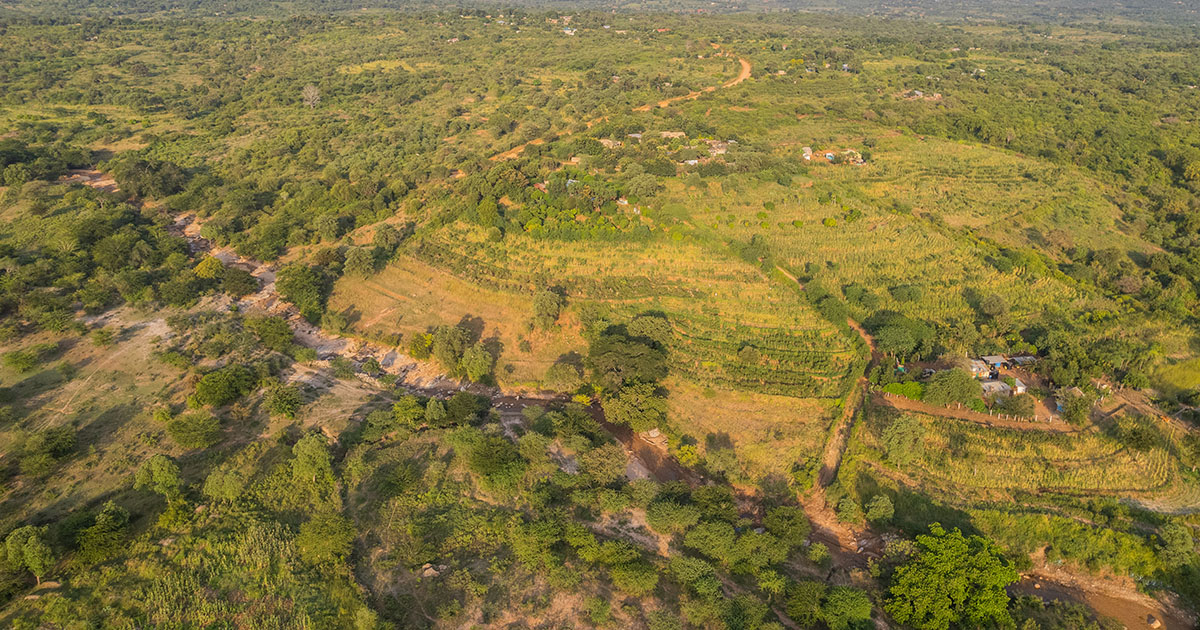






Forty-five species of wild edible fruits were identified and traditional local knowledge of their usage was recorded in 40 villages of Kodagu district in Central Western Ghats, India one of the eight top hotspots of biodiversity in the world. We combined biodiversity inventory of trees with village interviews to record traditional ecological knowledge. Wild edible fruits were an opportunistic source of food for rural people. Wild edible fruits were rich in minerals, vitamins, carbohydrates, proteins, fats and fiber. In recent years there has been a decline in numbers of wild fruit trees due to changes in land use from uncultivated private wooded area to cardamom and coffee cultivation. The availability of wild edible fruits that were once very common on private cultivated areas has declined and their distributions are now restricted more to jungles and wildlife sanctuaries. We propose methods for conservation and describe the need for sustainable utilization to provide supplementary sources of nutritional and pharmaceutically useful edible wild fruits.

DOI:
https://doi.org/10.1007/s11676-014-0513-7Altmetric score:
Dimensions Citation Count:
Export citation:
RIS (.ris)
TI  - Bioinventory and documentation of traditional ecological knowledge of wild edible fruits of Kodagu-Western Ghats, India
AU  - Karun, N.C.
AU  - Kushalappa, C.G.
AU  - Vaast, P.
AB  - Forty-five species of wild edible fruits were identified and traditional local knowledge of their usage was recorded in 40 villages of Kodagu district in Central Western Ghats, India one of the eight top hotspots of biodiversity in the world. We combined biodiversity inventory of trees with village interviews to record traditional ecological knowledge. Wild edible fruits were an opportunistic source of food for rural people. Wild edible fruits were rich in minerals, vitamins, carbohydrates, proteins, fats and fiber. In recent years there has been a decline in numbers of wild fruit trees due to changes in land use from uncultivated private wooded area to cardamom and coffee cultivation. The availability of wild edible fruits that were once very common on private cultivated areas has declined and their distributions are now restricted more to jungles and wildlife sanctuaries. We propose methods for conservation and describe the need for sustainable utilization to provide supplementary sources of nutritional and pharmaceutically useful edible wild fruits.
PY  - 2014
UR  - https://www.cifor-icraf.org/knowledge/publication/32319/
DO  - https://doi.org/10.1007/s11676-014-0513-7
KW  - biodiversity, carbohydrates, kodagu, nutraceutical, proteins, robusta coffee, vitamins, western ghats, wild edible fruits
ER  -
Endnote (.ciw)
%T Bioinventory and documentation of traditional ecological knowledge of wild edible fruits of Kodagu-Western Ghats, India
%A Karun, N.C.
%A Kushalappa, C.G.
%A Vaast, P.
%D 2014
%U https://www.cifor-icraf.org/knowledge/publication/32319/
%R https://doi.org/10.1007/s11676-014-0513-7
%X Forty-five species of wild edible fruits were identified and traditional local knowledge of their usage was recorded in 40 villages of Kodagu district in Central Western Ghats, India one of the eight top hotspots of biodiversity in the world. We combined biodiversity inventory of trees with village interviews to record traditional ecological knowledge. Wild edible fruits were an opportunistic source of food for rural people. Wild edible fruits were rich in minerals, vitamins, carbohydrates, proteins, fats and fiber. In recent years there has been a decline in numbers of wild fruit trees due to changes in land use from uncultivated private wooded area to cardamom and coffee cultivation. The availability of wild edible fruits that were once very common on private cultivated areas has declined and their distributions are now restricted more to jungles and wildlife sanctuaries. We propose methods for conservation and describe the need for sustainable utilization to provide supplementary sources of nutritional and pharmaceutically useful edible wild fruits.
%K biodiversity
%K carbohydrates
%K kodagu
%K nutraceutical
%K proteins
%K robusta coffee
%K vitamins
%K western ghats
%K wild edible fruits
Publication year
2014
ISSN
1993-0607
Authors
Karun, N.C.; Kushalappa, C.G.; Vaast, P.
Language
English
Keywords
biodiversity, carbohydrates, kodagu, nutraceutical, proteins, robusta coffee, vitamins, western ghats, wild edible fruits
Source
Journal of Forestry Research. 25(3): 717-721
Geographic
India