

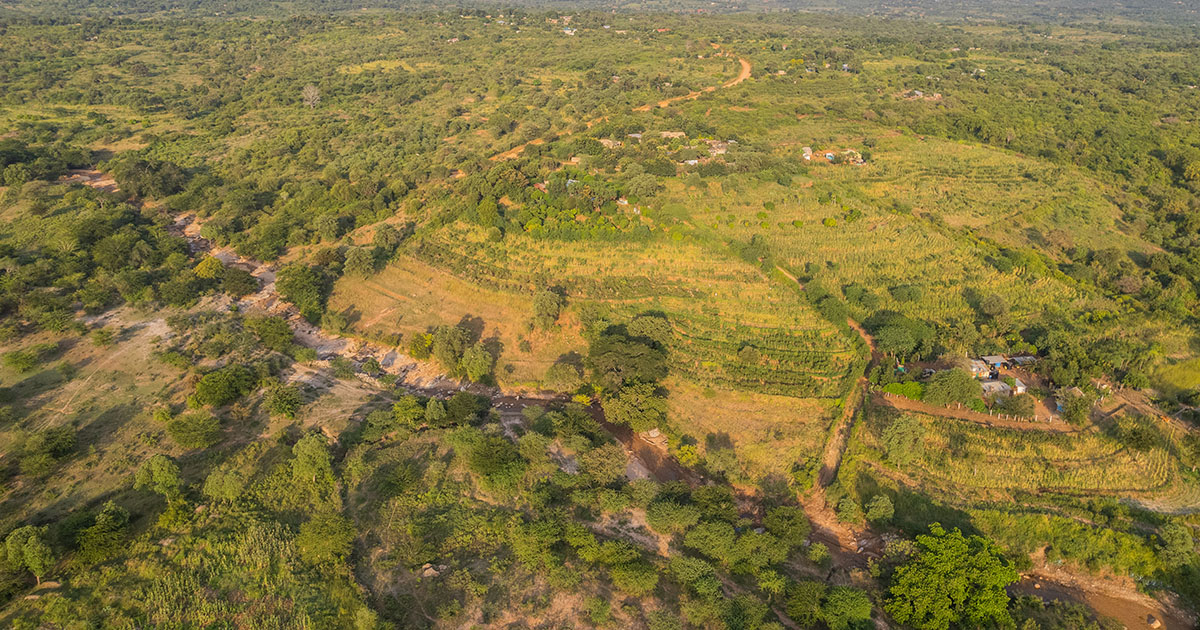
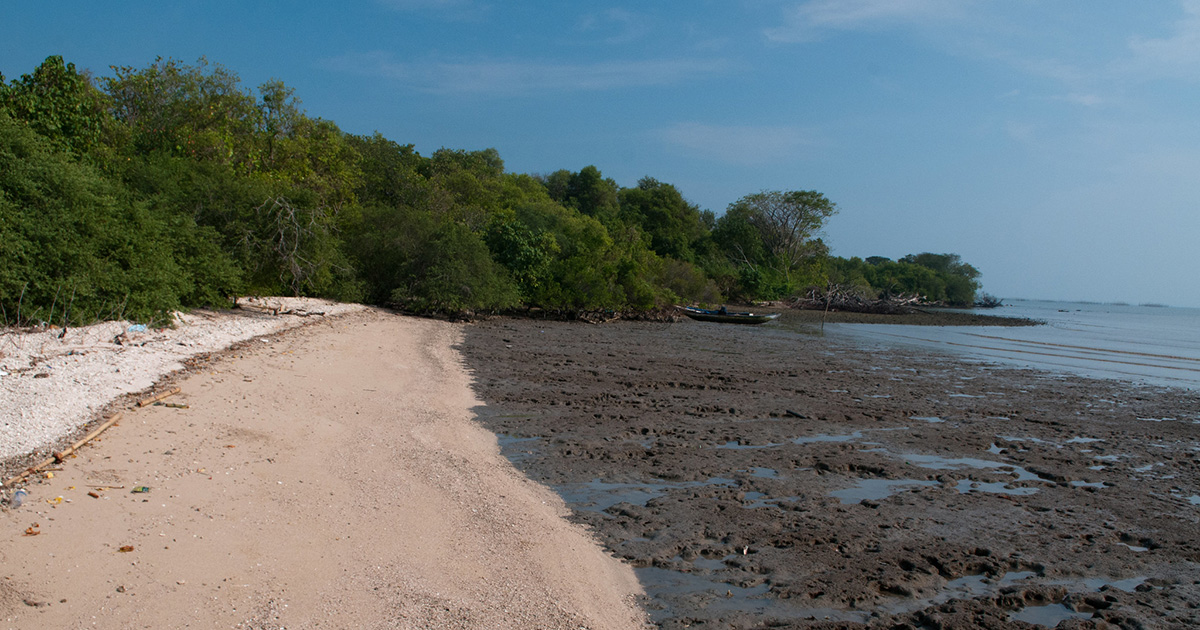



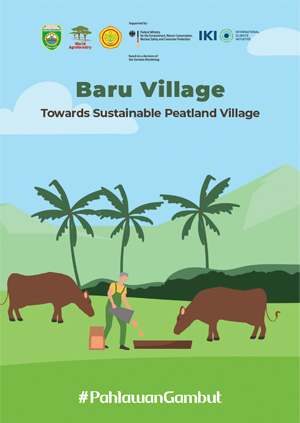


Baru Village in South Sumatra was assessed against the average of 34 villages to understand livelihood characteristics, land use, farming systems, and community behavior toward sustainable peatland management. Six land covers dominate: shrubs, secondary forest, monoculture coconut, rice fields, monoculture rubber, and settlements. The main livelihood is swamp rice farming (160 ha, 2250 kg/ha/season), supplemented by cattle and chicken. Household groups (0–1 ha, 1–2 ha, >2 ha) show differences in food security, economic resilience, resource ownership, and access to aid/credit. Women’s participation varies across land ownership groups, with stronger roles in financial management and community activities in larger landholdings.
This work is licensed under CC-BY 4.0
This work is licensed under CC-BY 4.0
Export citation:
RIS (.ris)
TI  - Baru Village, Towards Sustainable Peatland Village
AU  - Benita, T.
AU  - Laksemi, N.P.S.T.
AU  - Dewi, S.
AU  - Permadi, D.
AU  - Rahayu, S.
AU  - Pandiwijaya, A.
AU  - Aksomo, H.
AU  - Martini, E.
AU  - Perdana, A.
AU  - Sumantri, I.
AU  - Nafsiyah, N.
AU  - Rachmawati, D.
AB  - Baru Village in South Sumatra was assessed against the average of 34 villages to understand livelihood characteristics, land use, farming systems, and community behavior toward sustainable peatland management. Six land covers dominate: shrubs, secondary forest, monoculture coconut, rice fields, monoculture rubber, and settlements. The main livelihood is swamp rice farming (160 ha, 2250 kg/ha/season), supplemented by cattle and chicken. Household groups (0–1 ha, 1–2 ha, >2 ha) show differences in food security, economic resilience, resource ownership, and access to aid/credit. Women’s participation varies across land ownership groups, with stronger roles in financial management and community activities in larger landholdings.
PY  - 2024
PB  - World Agroforestry (ICRAF)
PP  - Bogor, Indonesia
UR  - https://www.cifor-icraf.org/knowledge/publication/38764/
KW  - community forestry, fire prevention, livelihoods, paludiculture, peatlands, rice farming, women’s participation
ER  -
Endnote (.ciw)
%T Baru Village, Towards Sustainable Peatland Village
%A Benita, T.
%A Laksemi, N.P.S.T.
%A Dewi, S.
%A Permadi, D.
%A Rahayu, S.
%A Pandiwijaya, A.
%A Aksomo, H.
%A Martini, E.
%A Perdana, A.
%A Sumantri, I.
%A Nafsiyah, N.
%A Rachmawati, D.
%D 2024
%I World Agroforestry (ICRAF)
%C Bogor, Indonesia
%U https://www.cifor-icraf.org/knowledge/publication/38764/
%X Baru Village in South Sumatra was assessed against the average of 34 villages to understand livelihood characteristics, land use, farming systems, and community behavior toward sustainable peatland management. Six land covers dominate: shrubs, secondary forest, monoculture coconut, rice fields, monoculture rubber, and settlements. The main livelihood is swamp rice farming (160 ha, 2250 kg/ha/season), supplemented by cattle and chicken. Household groups (0–1 ha, 1–2 ha, >2 ha) show differences in food security, economic resilience, resource ownership, and access to aid/credit. Women’s participation varies across land ownership groups, with stronger roles in financial management and community activities in larger landholdings.
%K community forestry
%K fire prevention
%K livelihoods
%K paludiculture
%K peatlands
%K rice farming
%K women’s participation
Publisher
World Agroforestry (ICRAF): Bogor, Indonesia
Publication year
2024
Authors
Benita, T.; Laksemi, N.P.S.T.; Dewi, S.; Permadi, D.; Rahayu, S.; Pandiwijaya, A.; Aksomo, H.; Martini, E.; Perdana, A.; Sumantri, I.; Nafsiyah, N.; Rachmawati, D.
Language
English
Keywords
community forestry, fire prevention, livelihoods, paludiculture, peatlands, rice farming, women’s participation
Geographic
Indonesia