





- Not all good intentions lead to effective and fair policy designs, as their implementation creates new problems. The European Union Deforestation Regulation (EUDR) may be an example. In targeting ‘deforestation-free’ trade, it forces a complex social–ecological reality into an oversimplified forest–non-forest representation. The forest definition used refers to tree cover but excludes farmer-managed agroforestry (AF).
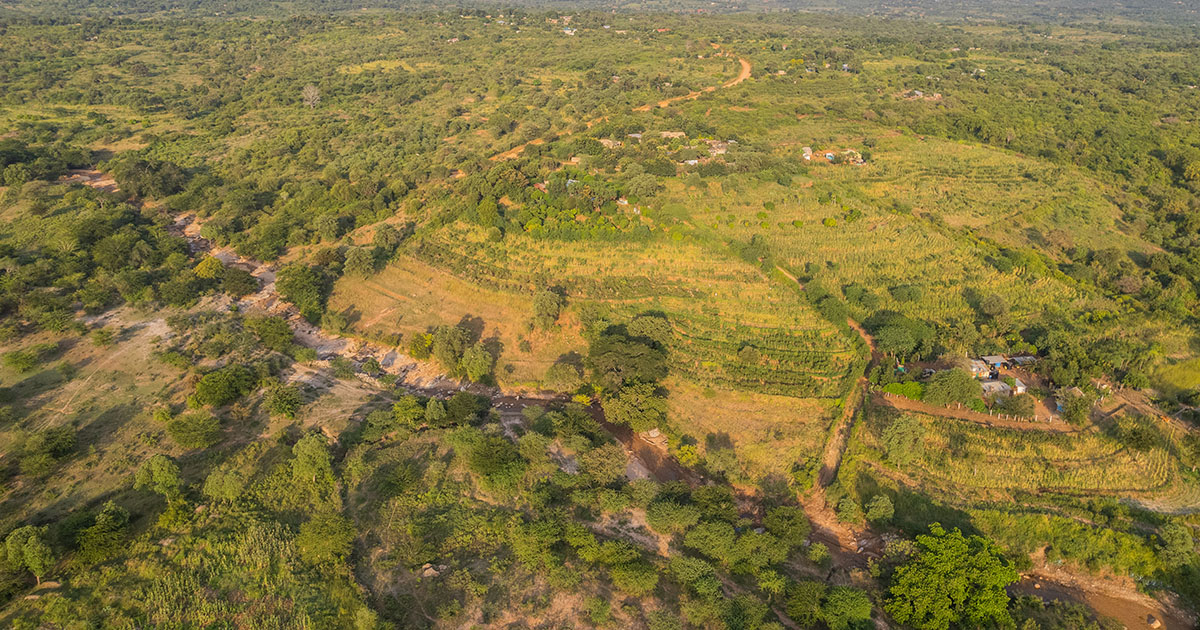
- Not all tree cover indicates forest, as forest-like forms of agriculture (AF) exist, for example producing much of the worlds' cacao, coffee and rubber. The EUDR design trusts maps and relies on detailed spatial data to verify the deforestation-free claims needed for access to EU markets. Tree cover is observable in remote sensing; the intended exclusion of AF is not.
- No map is perfect but for global forest maps prepared for EUDR use there is 18% chance a forest pixel is considered non-forest in other data, all supposedly based on the same forest definition and cut-off date. Map errors imply two types of risk: non-compliant imports to the EU (that ‘fraud prevention’ tries to avoid) or unjustified exclusion (collateral damage).
- Globally, the EUDR maps claim 12% more forest in 2020 than national data compiled by FAO suggests; in specific countries, the gap is wider. The probability that an AF garden producing coffee cocoa or rubber is (erroneously) mapped as forest is two-thirds for a study in Indonesia. Elsewhere similar problems have been noted.
- Data sources beyond direct earth observation will be needed to legally establish pre-2021 agroforestry as a source of EUDR-compliant commodity trade. We present a typology for such evidence. Evidence can be based on direct observations on the ground or remotely, based on what people say and on accounts of what they did.
This work is licensed under CC BY-NC-ND 4.0
DOI:
https://doi.org/10.1002/pan3.70088Altmetric score:
Dimensions Citation Count:
Export citation:
RIS (.ris)
TI  - Beyond imperfect maps: Evidence for EUDR-compliant agroforestry
AU  - van Noordwijk, M.
AU  - Dewi, S.
AU  - Minang, P.A.
AU  - Harrison, R.D.
AU  - Leimona, B.
AU  - Ekadinata, A.
AU  - Burgers, P.
AU  - Slingerland, M.
AU  - Sassen, M.
AU  - Watson, C.
AU  - Sayer, J.
AB  - Not all good intentions lead to effective and fair policy designs, as their implementation creates new problems. The European Union Deforestation Regulation (EUDR) may be an example. In targeting ‘deforestation-free’ trade, it forces a complex social–ecological reality into an oversimplified forest–non-forest representation. The forest definition used refers to tree cover but excludes farmer-managed agroforestry (AF).
Not all tree cover indicates forest, as forest-like forms of agriculture (AF) exist, for example producing much of the worlds' cacao, coffee and rubber. The EUDR design trusts maps and relies on detailed spatial data to verify the deforestation-free claims needed for access to EU markets. Tree cover is observable in remote sensing; the intended exclusion of AF is not.
No map is perfect but for global forest maps prepared for EUDR use there is 18% chance a forest pixel is considered non-forest in other data, all supposedly based on the same forest definition and cut-off date. Map errors imply two types of risk: non-compliant imports to the EU (that ‘fraud prevention’ tries to avoid) or unjustified exclusion (collateral damage).
Globally, the EUDR maps claim 12% more forest in 2020 than national data compiled by FAO suggests; in specific countries, the gap is wider. The probability that an AF garden producing coffee cocoa or rubber is (erroneously) mapped as forest is two-thirds for a study in Indonesia. Elsewhere similar problems have been noted.
Data sources beyond direct earth observation will be needed to legally establish pre-2021 agroforestry as a source of EUDR-compliant commodity trade. We present a typology for such evidence. Evidence can be based on direct observations on the ground or remotely, based on what people say and on accounts of what they did.
PY  - 2025
UR  - https://www.cifor-icraf.org/knowledge/publication/44660/
DO  - https://doi.org/10.1002/pan3.70088
KW  - agroforestry system, deforestation, forest policy, land use, mapping, regulations, remote sensing, supply chains, trade
ER  -
Endnote (.ciw)
%T Beyond imperfect maps: Evidence for EUDR-compliant agroforestry
%A van Noordwijk, M.
%A Dewi, S.
%A Minang, P.A.
%A Harrison, R.D.
%A Leimona, B.
%A Ekadinata, A.
%A Burgers, P.
%A Slingerland, M.
%A Sassen, M.
%A Watson, C.
%A Sayer, J.
%D 2025
%U https://www.cifor-icraf.org/knowledge/publication/44660/
%R https://doi.org/10.1002/pan3.70088
%X Not all good intentions lead to effective and fair policy designs, as their implementation creates new problems. The European Union Deforestation Regulation (EUDR) may be an example. In targeting ‘deforestation-free’ trade, it forces a complex social–ecological reality into an oversimplified forest–non-forest representation. The forest definition used refers to tree cover but excludes farmer-managed agroforestry (AF).
Not all tree cover indicates forest, as forest-like forms of agriculture (AF) exist, for example producing much of the worlds' cacao, coffee and rubber. The EUDR design trusts maps and relies on detailed spatial data to verify the deforestation-free claims needed for access to EU markets. Tree cover is observable in remote sensing; the intended exclusion of AF is not.
No map is perfect but for global forest maps prepared for EUDR use there is 18% chance a forest pixel is considered non-forest in other data, all supposedly based on the same forest definition and cut-off date. Map errors imply two types of risk: non-compliant imports to the EU (that ‘fraud prevention’ tries to avoid) or unjustified exclusion (collateral damage).
Globally, the EUDR maps claim 12% more forest in 2020 than national data compiled by FAO suggests; in specific countries, the gap is wider. The probability that an AF garden producing coffee cocoa or rubber is (erroneously) mapped as forest is two-thirds for a study in Indonesia. Elsewhere similar problems have been noted.
Data sources beyond direct earth observation will be needed to legally establish pre-2021 agroforestry as a source of EUDR-compliant commodity trade. We present a typology for such evidence. Evidence can be based on direct observations on the ground or remotely, based on what people say and on accounts of what they did.
%K agroforestry system
%K deforestation
%K forest policy
%K land use
%K mapping
%K regulations
%K remote sensing
%K supply chains
%K trade
Publication year
2025
ISSN
2575-8314
Authors
van Noordwijk, M.; Dewi, S.; Minang, P.A.; Harrison, R.D.; Leimona, B.; Ekadinata, A.; Burgers, P.; Slingerland, M.; Sassen, M.; Watson, C.; Sayer, J.
Language
English
Keywords
agroforestry system, deforestation, forest policy, land use, mapping, regulations, remote sensing, supply chains, trade
Source
People and Nature. 7(7): 1713-1723