

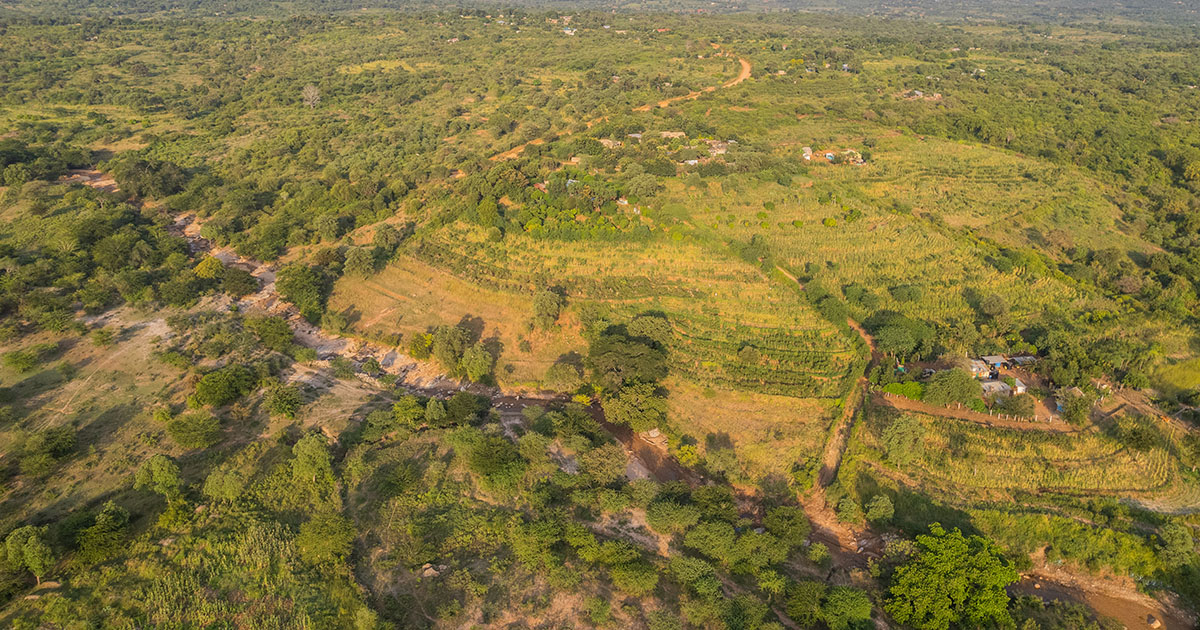






In Zimbabwe’s semi-arid Marange region, smallholder farmers continue to grow maize under rain-fed conditions despite high vulnerability to climate change and extremely low yields. This study, based on data from 107 households, found that maize yields averaged just 355 kg/ha, with wide variation linked to agronomic practices and access to information. Techniques such as planting basins, mulching, and strategic field placement improved yields, while socio-economic factors like access to extension services and weather data also played a role. However, overall productivity remains critically low. The findings highlight the urgent need for integrated interventions—improved agronomy, land management, and climate information access—to sustainably enhance maize production in vulnerable farming systems.
This work is licensed under CC-BY 4.0

This work is licensed under CC-BY 4.0
DOI:
https://doi.org/10.1007/s43621-025-01189-7Altmetric score:
Dimensions Citation Count:
Export citation:
RIS (.ris)
TI  - Climate change vulnerability and drivers of low maize yields under smallholder farming systems in semi-arid area of Marange in Zimbabwe
AU  - Muoni, T.
AU  - Kihara, J.
AU  - Madamombe, S.M.
AU  - Öborn, I.
AU  - Nyamadzawo, G.
AU  - Thierfelder, C.
AU  - Chirinda, N.
AU  - Ng’ang’a, S.K.
AU  - Nkurunziza, L.
AB  - In Zimbabwe’s semi-arid Marange region, smallholder farmers continue to grow maize under rain-fed conditions despite high vulnerability to climate change and extremely low yields. This study, based on data from 107 households, found that maize yields averaged just 355 kg/ha, with wide variation linked to agronomic practices and access to information. Techniques such as planting basins, mulching, and strategic field placement improved yields, while socio-economic factors like access to extension services and weather data also played a role. However, overall productivity remains critically low. The findings highlight the urgent need for integrated interventions—improved agronomy, land management, and climate information access—to sustainably enhance maize production in vulnerable farming systems.
PY  - 2025
UR  - https://www.cifor-icraf.org/knowledge/publication/44710/
DO  - https://doi.org/10.1007/s43621-025-01189-7
KW  - agronomic practices, climate change adaptation, extension services, food security, maize, planting basins, rainfed agriculture, smallholder farmers, soil fertility
ER  -
Endnote (.ciw)
%T Climate change vulnerability and drivers of low maize yields under smallholder farming systems in semi-arid area of Marange in Zimbabwe
%A Muoni, T.
%A Kihara, J.
%A Madamombe, S.M.
%A Öborn, I.
%A Nyamadzawo, G.
%A Thierfelder, C.
%A Chirinda, N.
%A Ng’ang’a, S.K.
%A Nkurunziza, L.
%D 2025
%U https://www.cifor-icraf.org/knowledge/publication/44710/
%R https://doi.org/10.1007/s43621-025-01189-7
%X In Zimbabwe’s semi-arid Marange region, smallholder farmers continue to grow maize under rain-fed conditions despite high vulnerability to climate change and extremely low yields. This study, based on data from 107 households, found that maize yields averaged just 355 kg/ha, with wide variation linked to agronomic practices and access to information. Techniques such as planting basins, mulching, and strategic field placement improved yields, while socio-economic factors like access to extension services and weather data also played a role. However, overall productivity remains critically low. The findings highlight the urgent need for integrated interventions—improved agronomy, land management, and climate information access—to sustainably enhance maize production in vulnerable farming systems.
%K agronomic practices
%K climate change adaptation
%K extension services
%K food security
%K maize
%K planting basins
%K rainfed agriculture
%K smallholder farmers
%K soil fertility
Publication year
2025
ISSN
2662-9984
Authors
Muoni, T.; Kihara, J.; Madamombe, S.M.; Öborn, I.; Nyamadzawo, G.; Thierfelder, C.; Chirinda, N.; Ng’ang’a, S.K.; Nkurunziza, L.
Language
English
Keywords
agronomic practices, climate change adaptation, extension services, food security, maize, planting basins, rainfed agriculture, smallholder farmers, soil fertility
Source
Discover Sustainability. 6(1): 394
Geographic
Zimbabwe