

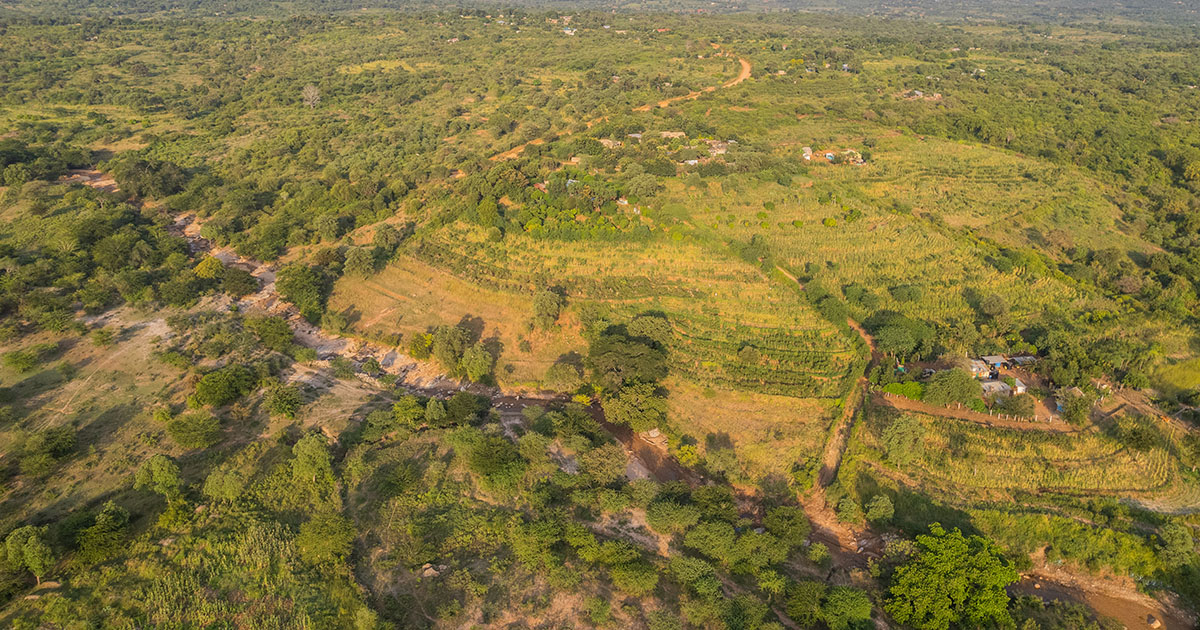
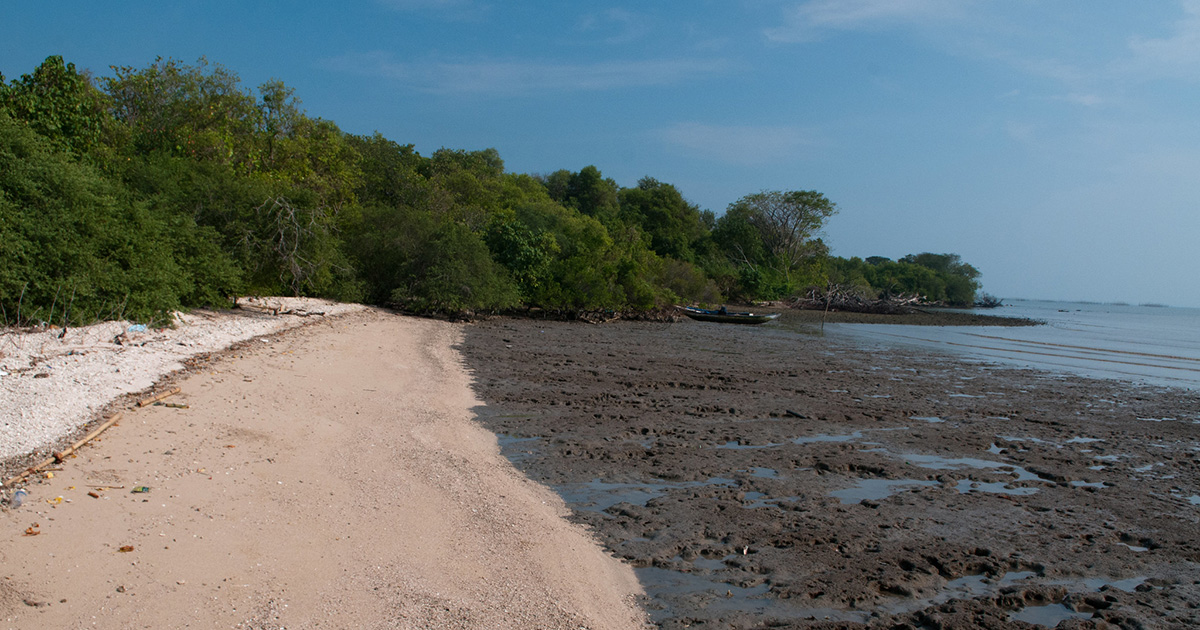
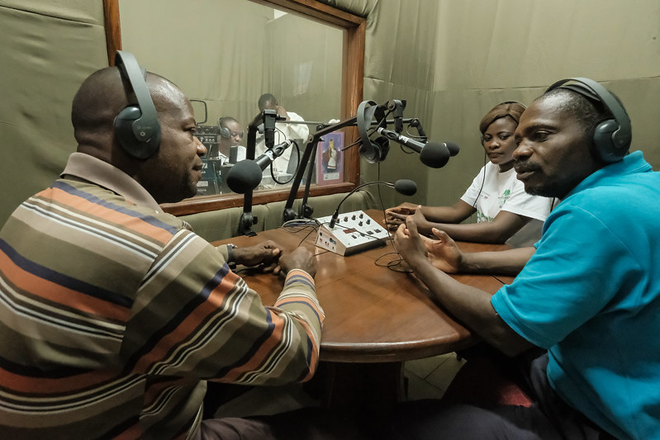





This ecosystem baseline assessment aims to provide a comprehensive and quantitative analysis of land health across 37 BRCiS III project areas, delineated based on the shared use of natural resources. Through an extensive ecosystem field data collection campaign, in combination with remote sensing and machine learning approaches, this assessment considers a variety of soil, vegetation, climate and social indicators to assess the ecosystem health from multiple dimensions. The objectives of this report are to provide a field-based assessment of the current state of ecosystem health at several BRCiS III project areas in Somalia and assess ecosystem health at the project area level based on vegetation, soil, climate and soil health indicators.
This work is licensed under CC-BY 4.0
This work is licensed under CC-BY 4.0
Export citation:
RIS (.ris)
TI  - Ecosystem Baseline Report. Ecosystem Baseline Assessment For The “Building Resilient Communities in Somalia (BRCiS) III” Programme
AU  - Kleinsmann, J.
AU  - Vågen, T-G.
AU  - Hauser, M.
AU  - Mausch, K.
AU  - Edel, I.
AU  - Bargués-Tobella, A.
AU  - Magaju, C.
AU  - Robinson, N.
AU  - Winowiecki, L.A.
AU  - Mausch, Kai
AU  - Vågen, Tor-Gunnar
AU  - Magaju, Christine
AU  - Winowiecki, Leig
AB  - This ecosystem baseline assessment aims to provide a comprehensive and quantitative analysis of land health across 37 BRCiS III project areas, delineated based on the shared use of natural resources. Through an extensive ecosystem field data collection campaign, in combination with remote sensing and machine learning approaches, this assessment considers a variety of soil, vegetation, climate and social indicators to assess the ecosystem health from multiple dimensions. The objectives of this report are to provide a field-based assessment of the current state of ecosystem health at several BRCiS III project areas in Somalia and assess ecosystem health at the project area level based on vegetation, soil, climate and soil health indicators.
PY  - 2025
PB  - CIFOR-ICRAF
PP  - Nairobi, Kenya
UR  - https://www.cifor-icraf.org/knowledge/publication/45477/
KW  - agroecosystems, climate indicators, ecosystem health, environmental impact assessment, field surveys, land degradation, machine learning, monitoring, natural resources management, remote sensing, restoration, soil quality, sustainable development, vegetation cover
ER  -
Endnote (.ciw)
%T Ecosystem Baseline Report. Ecosystem Baseline Assessment For The “Building Resilient Communities in Somalia (BRCiS) III” Programme
%A Kleinsmann, J.
%A Vågen, T-G.
%A Hauser, M.
%A Mausch, K.
%A Edel, I.
%A Bargués-Tobella, A.
%A Magaju, C.
%A Robinson, N.
%A Winowiecki, L.A.
%A Mausch, Kai
%A Vågen, Tor-Gunnar
%A Magaju, Christine
%A Winowiecki, Leig
%D 2025
%I CIFOR-ICRAF
%C Nairobi, Kenya
%U https://www.cifor-icraf.org/knowledge/publication/45477/
%X This ecosystem baseline assessment aims to provide a comprehensive and quantitative analysis of land health across 37 BRCiS III project areas, delineated based on the shared use of natural resources. Through an extensive ecosystem field data collection campaign, in combination with remote sensing and machine learning approaches, this assessment considers a variety of soil, vegetation, climate and social indicators to assess the ecosystem health from multiple dimensions. The objectives of this report are to provide a field-based assessment of the current state of ecosystem health at several BRCiS III project areas in Somalia and assess ecosystem health at the project area level based on vegetation, soil, climate and soil health indicators.
%K agroecosystems
%K climate indicators
%K ecosystem health
%K environmental impact assessment
%K field surveys
%K land degradation
%K machine learning
%K monitoring
%K natural resources management
%K remote sensing
%K restoration
%K soil quality
%K sustainable development
%K vegetation cover
Publisher
CIFOR-ICRAF: Nairobi, Kenya
Publication year
2025
Authors
Kleinsmann, J.; Vågen, T-G.; Hauser, M.; Mausch, K.; Edel, I.; Bargués-Tobella, A.; Magaju, C.; Robinson, N.; Winowiecki, L.A.; Mausch, Kai; Vågen, Tor-Gunnar; Magaju, Christine; Winowiecki, Leig
Language
English
Keywords
agroecosystems, climate indicators, ecosystem health, environmental impact assessment, field surveys, land degradation, machine learning, monitoring, natural resources management, remote sensing, restoration, soil quality, sustainable development, vegetation cover
Geographic
Somalia