

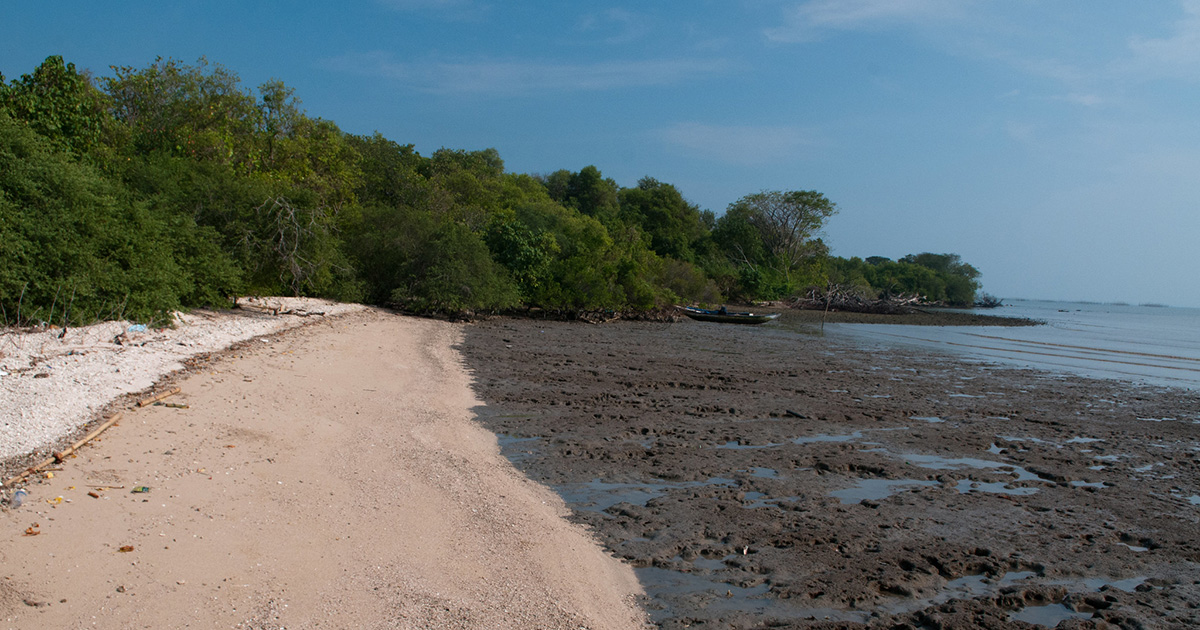






In a global carbon store, tropical peat swamp forests in Southeast Asia play an important role in future global climate change. Tropical peatlands store a huge amount of carbon in belowground ecosystem as peat soil. Conversion of peatswamp forest to oil palm plantation shifts the function of the natural state of forest from carbon sink to carbon source (Hergoualc’h & Verchot 2013). The rate of peatswamp forest deforestation in Indonesia has been higher (1.5-2.2% per year) than that of other forest types during 2000-2010 (Miettinen et al. 2012b), which mainly due to establishment of oil palm plantation on peat. Consequently, the conversion of primary peat swamp forests to oil palm plantations is believed to increase emissions of GHG especially CO2 emission into the atmosphere.
Export citation:
RIS (.ris)
TI  - Contribution of heterotrophic respiration to total soil respiration from peat swamp forest and oil palm plantations in Central Kalimantan, Indonesia
AU  - Tryanto, D.H.
AB  - In a global carbon store, tropical peat swamp forests in Southeast Asia play an important role in future global climate change. Tropical peatlands store a huge amount of carbon in belowground ecosystem as peat soil. Conversion of peatswamp forest to oil palm plantation shifts the function of the natural state of forest from carbon sink to carbon source (Hergoualc’h & Verchot 2013). The rate of peatswamp forest deforestation in Indonesia has been higher (1.5-2.2% per year) than that of other forest types during 2000-2010 (Miettinen et al. 2012b), which mainly due to establishment of oil palm plantation on peat. Consequently, the conversion of primary peat swamp forests to oil palm plantations is believed to increase emissions of GHG especially CO2 emission into the atmosphere.
PY  - 2016
PB  - IPB University
PP  - Bogor, Indonesia
UR  - https://www.cifor-icraf.org/knowledge/publication/8111/
KW  - emissions, land use change, oil palms, peatlands, plantations, soil respiration, swamp, tropical forests
ER  -
Endnote (.ciw)
%T Contribution of heterotrophic respiration to total soil respiration from peat swamp forest and oil palm plantations in Central Kalimantan, Indonesia
%A Tryanto, D.H.
%D 2016
%I IPB University
%C Bogor, Indonesia
%U https://www.cifor-icraf.org/knowledge/publication/8111/
%X In a global carbon store, tropical peat swamp forests in Southeast Asia play an important role in future global climate change. Tropical peatlands store a huge amount of carbon in belowground ecosystem as peat soil. Conversion of peatswamp forest to oil palm plantation shifts the function of the natural state of forest from carbon sink to carbon source (Hergoualc’h & Verchot 2013). The rate of peatswamp forest deforestation in Indonesia has been higher (1.5-2.2% per year) than that of other forest types during 2000-2010 (Miettinen et al. 2012b), which mainly due to establishment of oil palm plantation on peat. Consequently, the conversion of primary peat swamp forests to oil palm plantations is believed to increase emissions of GHG especially CO2 emission into the atmosphere.
%K emissions
%K land use change
%K oil palms
%K peatlands
%K plantations
%K soil respiration
%K swamp
%K tropical forests
Publisher
IPB University: Bogor, Indonesia
Publication year
2016
Authors
Language
English
Keywords
emissions, land use change, oil palms, peatlands, plantations, soil respiration, swamp, tropical forests
Geographic
Indonesia