


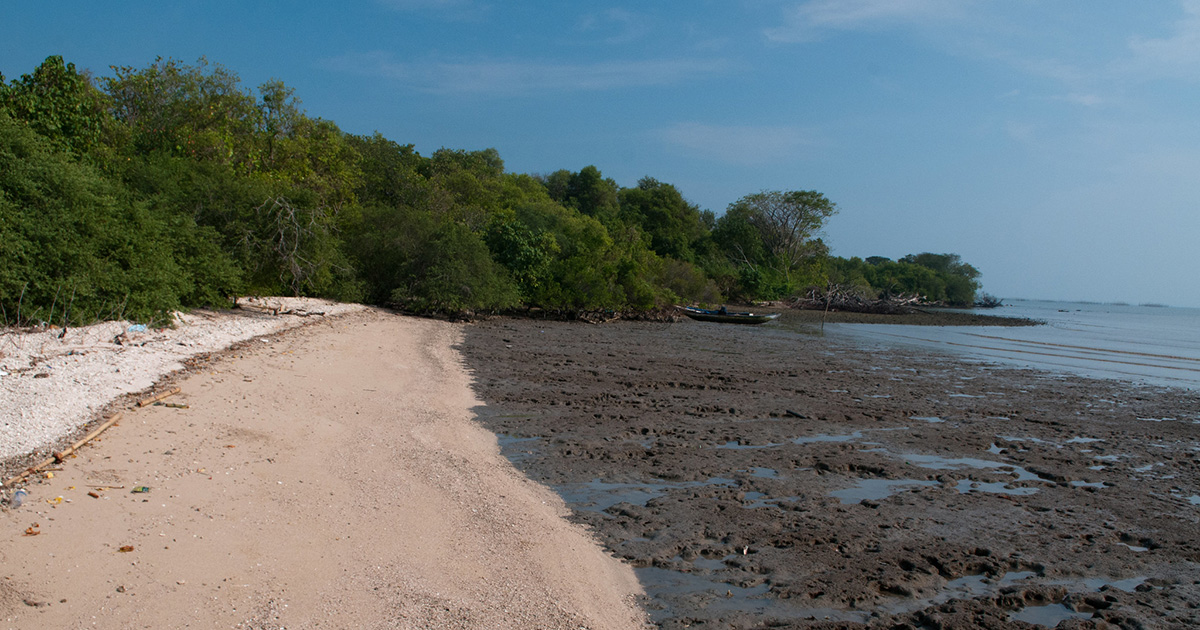






Nature-based solutions have seen increasing emphasis as a means of realizing transformative change for climate change mitigation and adaptation, environmental conservation, and sustainable development. This report examines 187 proposals of nature-based solutions (NBS) submitted to the United Nations Climate Action Summit in September 2019 to assess the breadth, nature, and potential impact of this emerging paradigm for climate change mitigation and adaptation, environmental conservation, and sustainable development. Noting the self-selected nature of the sample and the public nature of its intended forum, this analysis nonetheless considers these contributions in aggregate as illustrative of the variety of current conceptions and practices of NBS. The analysis finds that forests, cultivated landscapes, and marine and coastal regions comprise the main ecosystems of interest, with NBS most often taking the form of technological change and innovation. The analysis identifies certain concerns for NBS design and implementation, with the majority of submissions failing to provide adequate information on safeguards, transparency, and monitoring. Furthermore, only four submissions provide comprehensive explanations of how their proposed contribution comprises a nature-based solution, raising questions for the ongoing operationalization of NBS as a coherent body of practice. Finally, only 28 contributions are identified as possessing high transformational potential in their sectors of intervention, assessed on the basis of the scale, speed, sustainability and depth of proposed changes. While these findings suggest that submissions with both high transformational potential and a high likelihood of success are often smaller-scale interventions adapted to their sites of implementation, this raises questions of whether NBS will be able to attain the scale and depth necessary to meet expectations for their sustained and transformational impact.
This work is licensed under CC-BY 4.0

Download:

This work is licensed under CC-BY 4.0
DOI:
https://doi.org/10.17528/cifor/008453Altmetric score:
Dimensions Citation Count:
Export citation:
RIS (.ris)
TI  - Taking stock of Nature-Based Solutions (NBS): An analysis of global NBS submissions to the United Nations Climate Action Summit in September 2019
AU  - Zhou, W.
AU  - Martius, C.
AB  - Nature-based solutions have seen increasing emphasis as a means of realizing transformative change for climate change mitigation and adaptation, environmental conservation, and sustainable development. This report examines 187 proposals of nature-based solutions (NBS) submitted to the United Nations Climate Action Summit in September 2019 to assess the breadth, nature, and potential impact of this emerging paradigm for climate change mitigation and adaptation, environmental conservation, and sustainable development. Noting the self-selected nature of the sample and the public nature of its intended forum, this analysis nonetheless considers these contributions in aggregate as illustrative of the variety of current conceptions and practices of NBS. The analysis finds that forests, cultivated landscapes, and marine and coastal regions comprise the main ecosystems of interest, with NBS most often taking the form of technological change and innovation. The analysis identifies certain concerns for NBS design and implementation, with the majority of submissions failing to provide adequate information on safeguards, transparency, and monitoring. Furthermore, only four submissions provide comprehensive explanations of how their proposed contribution comprises a nature-based solution, raising questions for the ongoing operationalization of NBS as a coherent body of practice. Finally, only 28 contributions are identified as possessing high transformational potential in their sectors of intervention, assessed on the basis of the scale, speed, sustainability and depth of proposed changes. While these findings suggest that submissions with both high transformational potential and a high likelihood of success are often smaller-scale interventions adapted to their sites of implementation, this raises questions of whether NBS will be able to attain the scale and depth necessary to meet expectations for their sustained and transformational impact.
PY  - 2022
PB  - Center for International Forestry Research (CIFOR)
PP  - Bogor, Indonesia
UR  - https://www.cifor-icraf.org/knowledge/publication/8453/
DO  - https://doi.org/10.17528/cifor/008453
KW  - adaptation, climate change, landscape conservation, mitigation, natural resource management, sustainable development
ER  -
Endnote (.ciw)
%T Taking stock of Nature-Based Solutions (NBS): An analysis of global NBS submissions to the United Nations Climate Action Summit in September 2019
%A Zhou, W.
%A Martius, C.
%D 2022
%I Center for International Forestry Research (CIFOR)
%C Bogor, Indonesia
%U https://www.cifor-icraf.org/knowledge/publication/8453/
%R https://doi.org/10.17528/cifor/008453
%X Nature-based solutions have seen increasing emphasis as a means of realizing transformative change for climate change mitigation and adaptation, environmental conservation, and sustainable development. This report examines 187 proposals of nature-based solutions (NBS) submitted to the United Nations Climate Action Summit in September 2019 to assess the breadth, nature, and potential impact of this emerging paradigm for climate change mitigation and adaptation, environmental conservation, and sustainable development. Noting the self-selected nature of the sample and the public nature of its intended forum, this analysis nonetheless considers these contributions in aggregate as illustrative of the variety of current conceptions and practices of NBS. The analysis finds that forests, cultivated landscapes, and marine and coastal regions comprise the main ecosystems of interest, with NBS most often taking the form of technological change and innovation. The analysis identifies certain concerns for NBS design and implementation, with the majority of submissions failing to provide adequate information on safeguards, transparency, and monitoring. Furthermore, only four submissions provide comprehensive explanations of how their proposed contribution comprises a nature-based solution, raising questions for the ongoing operationalization of NBS as a coherent body of practice. Finally, only 28 contributions are identified as possessing high transformational potential in their sectors of intervention, assessed on the basis of the scale, speed, sustainability and depth of proposed changes. While these findings suggest that submissions with both high transformational potential and a high likelihood of success are often smaller-scale interventions adapted to their sites of implementation, this raises questions of whether NBS will be able to attain the scale and depth necessary to meet expectations for their sustained and transformational impact.
%K adaptation
%K climate change
%K landscape conservation
%K mitigation
%K natural resource management
%K sustainable development
Publisher
Center for International Forestry Research (CIFOR): Bogor, Indonesia
Publication year
2022
Authors
Language
English
Keywords
adaptation, climate change, landscape conservation, mitigation, natural resource management, sustainable development