


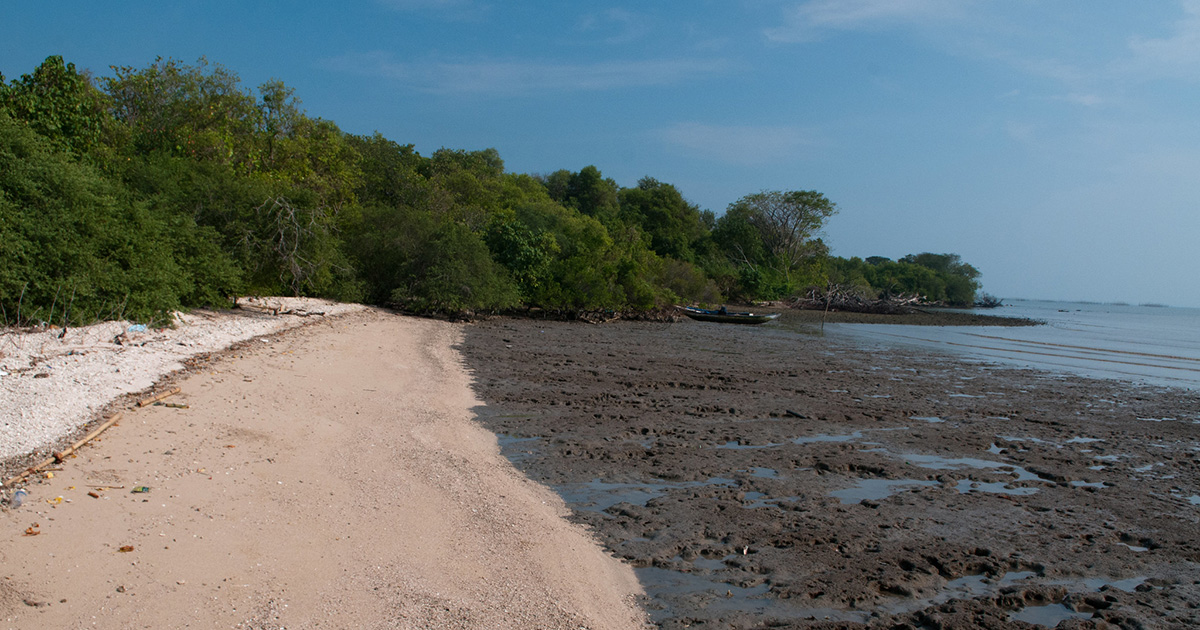






Mangroves’ ability to store carbon (C) has long been recognized, but little is known about whether planted mangroves can store C as efficiently as naturally established (i.e., intact) stands and in which time frame. Through Bayesian logistic models compiled from 40 years of data and built from 684 planted mangrove stands worldwide, we found that biomass C stock culminated at 71 to 73% to that of intact stands ~20 years after planting. Furthermore, prioritizing mixed-species planting including Rhizophora spp. would maximize C accumulation within the biomass compared to monospecific planting. Despite a 25% increase in the first 5 years following planting, no notable change was observed in the soil C stocks thereafter, which remains at a constant value of 75% to that of intact soil C stock, suggesting that planting effectively prevents further C losses due to land use change. These results have strong implications for mangrove restoration planning and serve as a baseline for future C buildup assessments.
This work is licensed under CC-BY 4.0

This work is licensed under CC-BY 4.0
DOI:
https://doi.org/10.1126/sciadv.adk5430Altmetric score:
Dimensions Citation Count:
Export citation:
RIS (.ris)
TI  - Four decades of data indicate that planted mangroves stored up to 75% of the carbon stocks found in intact mature stands
AU  - Bourgeois, C.F.
AU  - MacKenzie, R.A.
AU  - Sharma, S.
AU  - Bhomia, R.K.
AU  - Johnson, N.G.
AU  - Rovai, A.S.
AU  - Worthington, T.A.
AU  - Krauss, K.W.
AU  - Analuddin, K.
AU  - Bukoski, J.J.
AU  - Castillo, J.A.
AU  - Elwin, A.
AU  - Glass, L.
AU  - Jennerjahn, T.C.
AU  - Mangora, M.M.
AU  - Marchand, C.
AU  - Osland, M.J.
AU  - Ratefinjanahary, I.A.
AU  - Ray, R.
AU  - Salmo, S.G.
AU  - Sasmito, S.D.
AU  - Suwa, R.
AU  - Tinh, P.H.
AU  - Trettin, C.C.
AB  - Mangroves’ ability to store carbon (C) has long been recognized, but little is known about whether planted mangroves can store C as efficiently as naturally established (i.e., intact) stands and in which time frame. Through Bayesian logistic models compiled from 40 years of data and built from 684 planted mangrove stands worldwide, we found that biomass C stock culminated at 71 to 73% to that of intact stands ~20 years after planting. Furthermore, prioritizing mixed-species planting including Rhizophora spp. would maximize C accumulation within the biomass compared to monospecific planting. Despite a 25% increase in the first 5 years following planting, no notable change was observed in the soil C stocks thereafter, which remains at a constant value of 75% to that of intact soil C stock, suggesting that planting effectively prevents further C losses due to land use change. These results have strong implications for mangrove restoration planning and serve as a baseline for future C buildup assessments.
PY  - 2024
UR  - https://www.cifor-icraf.org/knowledge/publication/9227/
DO  - https://doi.org/10.1126/sciadv.adk5430
KW  - aboveground biomass, assessment, carbon sequestration, carbon sinks, ecological restoration, land use change, literature reviews, mangroves, soil carbon
ER  -
Endnote (.ciw)
%T Four decades of data indicate that planted mangroves stored up to 75% of the carbon stocks found in intact mature stands
%A Bourgeois, C.F.
%A MacKenzie, R.A.
%A Sharma, S.
%A Bhomia, R.K.
%A Johnson, N.G.
%A Rovai, A.S.
%A Worthington, T.A.
%A Krauss, K.W.
%A Analuddin, K.
%A Bukoski, J.J.
%A Castillo, J.A.
%A Elwin, A.
%A Glass, L.
%A Jennerjahn, T.C.
%A Mangora, M.M.
%A Marchand, C.
%A Osland, M.J.
%A Ratefinjanahary, I.A.
%A Ray, R.
%A Salmo, S.G.
%A Sasmito, S.D.
%A Suwa, R.
%A Tinh, P.H.
%A Trettin, C.C.
%D 2024
%U https://www.cifor-icraf.org/knowledge/publication/9227/
%R https://doi.org/10.1126/sciadv.adk5430
%X Mangroves’ ability to store carbon (C) has long been recognized, but little is known about whether planted mangroves can store C as efficiently as naturally established (i.e., intact) stands and in which time frame. Through Bayesian logistic models compiled from 40 years of data and built from 684 planted mangrove stands worldwide, we found that biomass C stock culminated at 71 to 73% to that of intact stands ~20 years after planting. Furthermore, prioritizing mixed-species planting including Rhizophora spp. would maximize C accumulation within the biomass compared to monospecific planting. Despite a 25% increase in the first 5 years following planting, no notable change was observed in the soil C stocks thereafter, which remains at a constant value of 75% to that of intact soil C stock, suggesting that planting effectively prevents further C losses due to land use change. These results have strong implications for mangrove restoration planning and serve as a baseline for future C buildup assessments.
%K aboveground biomass
%K assessment
%K carbon sequestration
%K carbon sinks
%K ecological restoration
%K land use change
%K literature reviews
%K mangroves
%K soil carbon
Publication year
2024
ISSN
2375-2548
Authors
Bourgeois, C.F.; MacKenzie, R.A.; Sharma, S.; Bhomia, R.K.; Johnson, N.G.; Rovai, A.S.; Worthington, T.A.; Krauss, K.W.; Analuddin, K.; Bukoski, J.J.; Castillo, J.A.; Elwin, A.; Glass, L.; Jennerjahn, T.C.; Mangora, M.M.; Marchand, C.; Osland, M.J.; Ratefinjanahary, I.A.; Ray, R.; Salmo, S.G.; Sasmito, S.D.; Suwa, R.; Tinh, P.H.; Trettin, C.C.
Language
English
Keywords
aboveground biomass, assessment, carbon sequestration, carbon sinks, ecological restoration, land use change, literature reviews, mangroves, soil carbon
Source
Science Advances. 10(27): eadk5430