







Key messages
- The project supported RAD KSB (Rencana Aksi Daerah untuk Kelapa Sawit Berkelanjutan– the Regional Action Plan for Sustainable Palm Oil) development across four regencies. Policy uptake is evidenced by formal adoption of RAD KSB and integration of selected co-designed recommendations and tools in Kutai Kartanegara (Regent Regulation No. 93/2023), Pelalawan (No. 73/2020) and Sintang (No. 87/2018), while Pulang Pisau has a draft regulation underway, aligning regency plans with national sustainability goals and strengthening multistakeholder collaboration.
- Actionable knowledge products, theories of change/action and monitoring and evaluation plans (TTM), policy contribution documents, and simulation models (JAPOS/SIPOS) translated research into strategies that informed RAD KSB drafting, annexes and budget planning at the regency level.
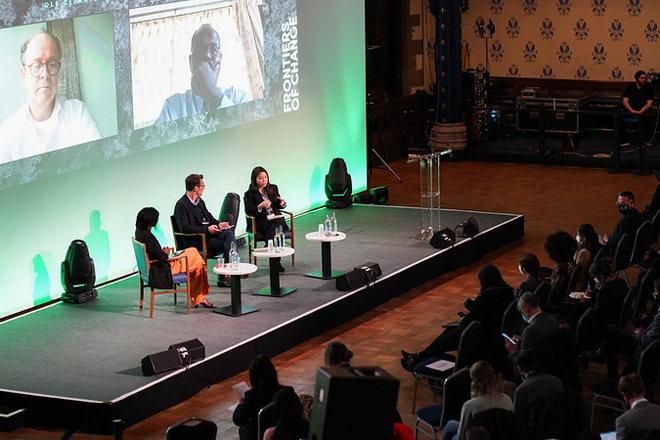
- Over 19 workshops involving 500+ representatives from 85 organizations, alongside direct engagement with smallholders, local governments, civil society organizations (CSOs) and private sector actors, helped build trust, shared understanding and alignment on sustainability priorities.
- Training programmes and tools like Palm Oil Traceability and Certification (POTRACE) and farmer field schools empowered smallholders to adopt better practices, improving productivity, legal compliance and traceability while increasing their potential for certification and market access.
- Key project outputs were integrated into policy and planning processes: in Sintang and Pelalawan, RAD KSB frameworks now shape budget allocations and monitoring arrangements; in Kutai Kartanegara, recommendations informed the regulation text and the decree establishing an implementation team.
- The participatory co-design and jurisdictional approach developed through this project offer a proven, adaptable framework that other regions can replicate to translate research into policy and implementation at scale.
This work is licensed under CC-BY 4.0
DOI:
https://doi.org/10.17528/cifor-icraf/009407Altmetric score:
Dimensions Citation Count:
Export citation:
RIS (.ris)
TI  - Stakeholder-led pathways for sustainable futures: A participatory co-designed action plan for improved palm oil governance at regency level in Indonesia
AU  - Azzahra, M.
AU  - Rouge, J-C.
AU  - Puspitaloka, D.
AU  - Kusumadewi, S.D.
AU  - Purnomo, H.
AU  - Juniyanti, L.
AU  - Irawan, P.
AU  - Nadhira, S.
AB  - Key messagesThe project supported RAD KSB (Rencana Aksi Daerah untuk Kelapa Sawit Berkelanjutan– the Regional Action Plan for Sustainable Palm Oil) development across four regencies. Policy uptake is evidenced by formal adoption of RAD KSB and integration of selected co-designed recommendations and tools in Kutai Kartanegara (Regent Regulation No. 93/2023), Pelalawan (No. 73/2020) and Sintang (No. 87/2018), while Pulang Pisau has a draft regulation underway, aligning regency plans with national sustainability goals and strengthening multistakeholder collaboration.Actionable knowledge products, theories of change/action and monitoring and evaluation plans (TTM), policy contribution documents, and simulation models (JAPOS/SIPOS) translated research into strategies that informed RAD KSB drafting, annexes and budget planning at the regency level.Over 19 workshops involving 500+ representatives from 85 organizations, alongside direct engagement with smallholders, local governments, civil society organizations (CSOs) and private sector actors, helped build trust, shared understanding and alignment on sustainability priorities.Training programmes and tools like Palm Oil Traceability and Certification (POTRACE) and farmer field schools empowered smallholders to adopt better practices, improving productivity, legal compliance and traceability while increasing their potential for certification and market access.Key project outputs were integrated into policy and planning processes: in Sintang and Pelalawan, RAD KSB frameworks now shape budget allocations and monitoring arrangements; in Kutai Kartanegara, recommendations informed the regulation text and the decree establishing an implementation team.The participatory co-design and jurisdictional approach developed through this project offer a proven, adaptable framework that other regions can replicate to translate research into policy and implementation at scale.
PY  - 2025
UR  - https://www.cifor-icraf.org/knowledge/publication/9407/
DO  - https://doi.org/10.17528/cifor-icraf/009407
KW  - certification, governance, oil palms, participatory approach, regional plan, simulation models, smallholders
ER  -
Endnote (.ciw)
%T Stakeholder-led pathways for sustainable futures: A participatory co-designed action plan for improved palm oil governance at regency level in Indonesia
%A Azzahra, M.
%A Rouge, J-C.
%A Puspitaloka, D.
%A Kusumadewi, S.D.
%A Purnomo, H.
%A Juniyanti, L.
%A Irawan, P.
%A Nadhira, S.
%D 2025
%U https://www.cifor-icraf.org/knowledge/publication/9407/
%R https://doi.org/10.17528/cifor-icraf/009407
%X Key messagesThe project supported RAD KSB (Rencana Aksi Daerah untuk Kelapa Sawit Berkelanjutan– the Regional Action Plan for Sustainable Palm Oil) development across four regencies. Policy uptake is evidenced by formal adoption of RAD KSB and integration of selected co-designed recommendations and tools in Kutai Kartanegara (Regent Regulation No. 93/2023), Pelalawan (No. 73/2020) and Sintang (No. 87/2018), while Pulang Pisau has a draft regulation underway, aligning regency plans with national sustainability goals and strengthening multistakeholder collaboration.Actionable knowledge products, theories of change/action and monitoring and evaluation plans (TTM), policy contribution documents, and simulation models (JAPOS/SIPOS) translated research into strategies that informed RAD KSB drafting, annexes and budget planning at the regency level.Over 19 workshops involving 500+ representatives from 85 organizations, alongside direct engagement with smallholders, local governments, civil society organizations (CSOs) and private sector actors, helped build trust, shared understanding and alignment on sustainability priorities.Training programmes and tools like Palm Oil Traceability and Certification (POTRACE) and farmer field schools empowered smallholders to adopt better practices, improving productivity, legal compliance and traceability while increasing their potential for certification and market access.Key project outputs were integrated into policy and planning processes: in Sintang and Pelalawan, RAD KSB frameworks now shape budget allocations and monitoring arrangements; in Kutai Kartanegara, recommendations informed the regulation text and the decree establishing an implementation team.The participatory co-design and jurisdictional approach developed through this project offer a proven, adaptable framework that other regions can replicate to translate research into policy and implementation at scale.
%K certification
%K governance
%K oil palms
%K participatory approach
%K regional plan
%K simulation models
%K smallholders
Publication year
2025
Authors
Azzahra, M.; Rouge, J-C.; Puspitaloka, D.; Kusumadewi, S.D.; Purnomo, H.; Juniyanti, L.; Irawan, P.; Nadhira, S.
Language
English
Keywords
certification, governance, oil palms, participatory approach, regional plan, simulation models, smallholders
Geographic
Indonesia