



Description
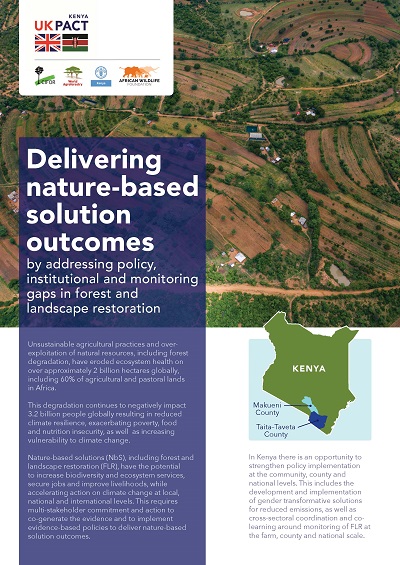
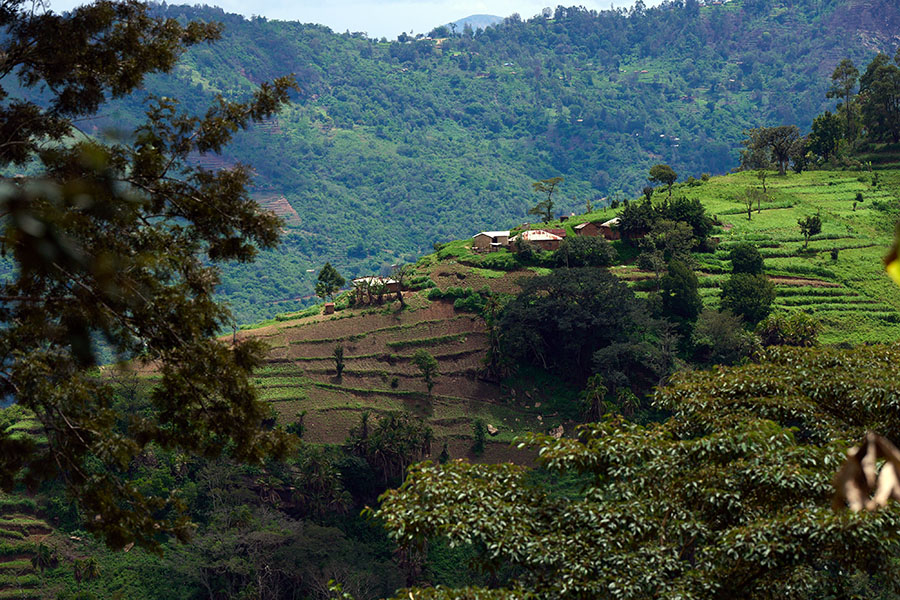
Over 36% of Kenya’s population lives below the national poverty line. Only 20% of the country’s land is classified as suitable for agriculture, yet 75% of the population depend on it. Escalating land degradation, exacerbated by climate change, increasing frequency and severity of droughts, flooding, locust invasions and low investment in sustainable and resilient agriculture negatively impact the environment and rural livelihoods.
This project addresses land degradation, climate change, biodiversity loss and poverty through nature-based solutions including planting the right trees in the right place for the right purpose, farmer managed natural regeneration (FMNR), soil and water conservation, agroecology and other restoration practices.
The project will also strengthen environmental monitoring frameworks in Kenya to enable African Forest Landscape Restoration (AFR100) commitment reporting. This will be done through the establishment and strengthening of a joint restoration monitoring technical working group that will enable development of context-relevant indicators and tools for assessing landscape restoration.
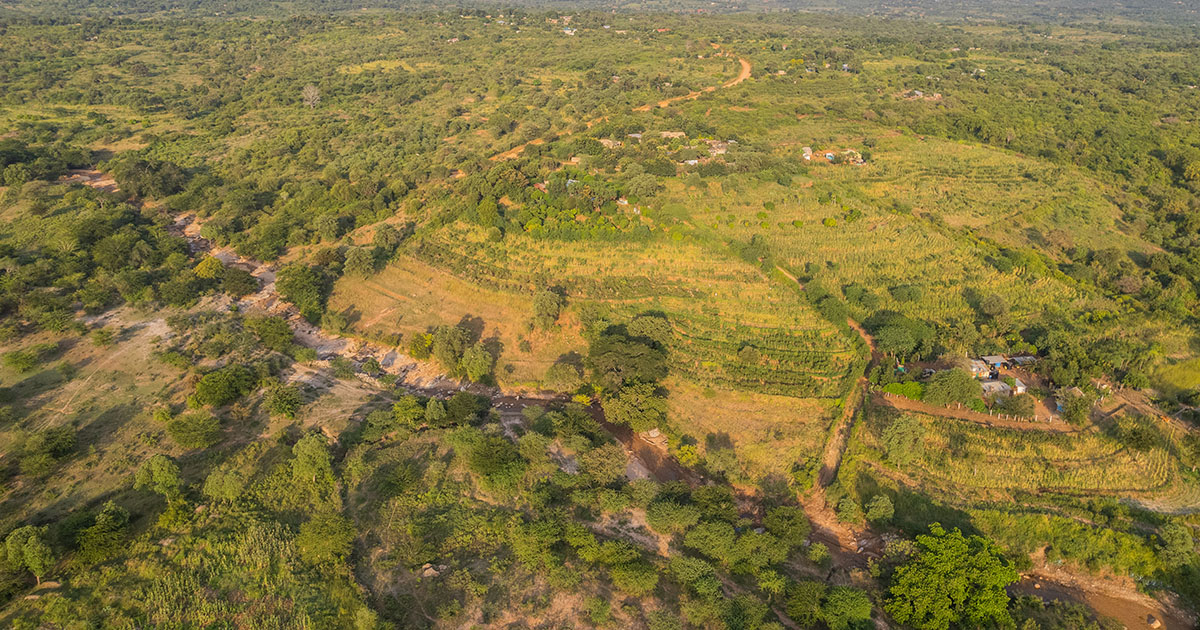
Makueni County, identified for its high restoration potential will be the basis for identification and implementation of contextually appropriate and gender-responsive restoration options for upscaling to other counties.
Overall objective
To establish a national restoration monitoring technical working group in Kenya and promote gender transformative restoration activities and knowledge products that enable their scaling.
Expected outcomes
- Increased knowledge and capacities to deliver contextually-appropriate restoration options using gender transformative approaches
- Increased capacity for monitoring and reporting of restoration approaches at subnational (County) and national levels
- Increased uptake and scaling of gender transformative restoration approaches, knowledge, policy influence, and sustained actions on climate change
Expected outputs
- Innovative, cost-effective, locally relevant and gender-responsive restoration practices are implemented in Makueni County with the objective of upscaling to other Counties through “leading by action”
- A joint restoration monitoring technical working group established and strengthened
- Communication of context-appropriate gender transformative restoration options enhanced for wider scaling and influencing policy.
Target beneficiaries
- At least 100,000 beneficiaries will be impacted directly and an additional 300,000 indirectly through scaling approaches
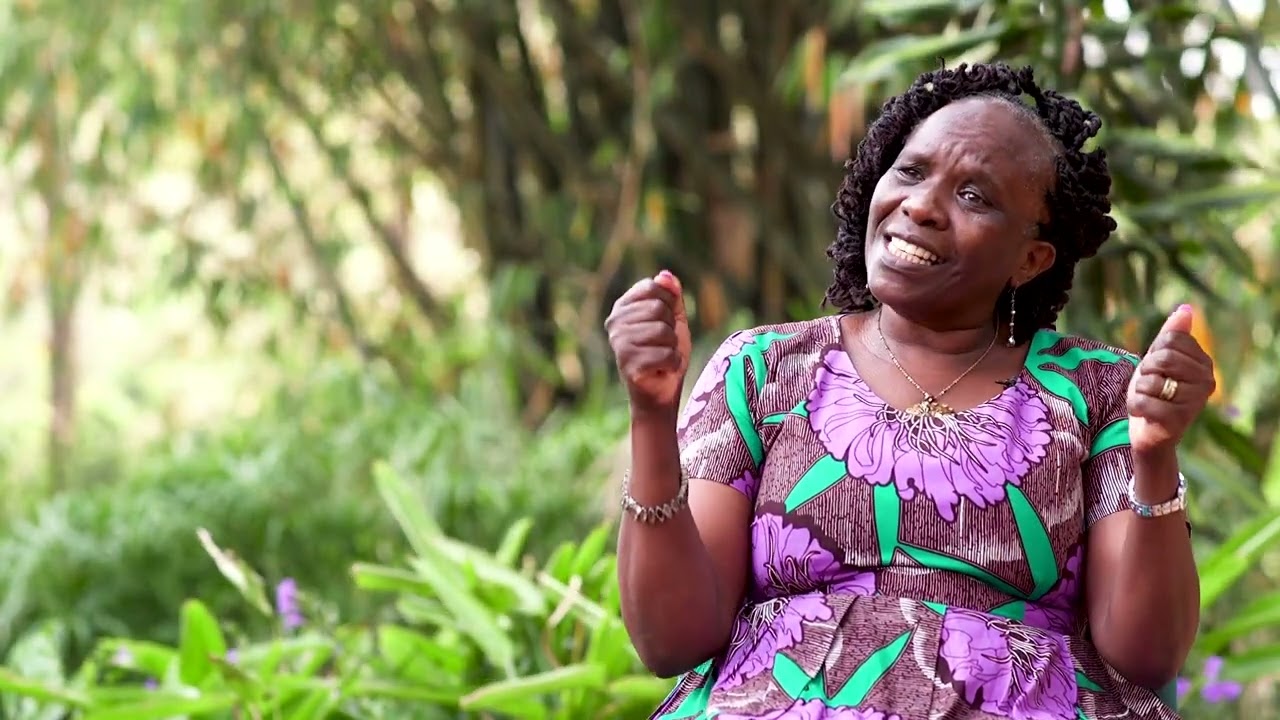
- At least 60 local extension agents and community facilitators from the six sub-counties will receive in-depth training and capacity building on gender transformative approaches in restoration. At least 50% of the extension agents and/or community facilitators will be women.
Contact us

Catherine Muthuri
Details
Research team
Catherine Muthuri

Mieke Bourne

Tor-Gunnar Vågen

Ann Winowiecki

Erick Wanjira

Christine Magaju

Mary Crossland
Knowledge products
Publications

Videos

News


Funders


