

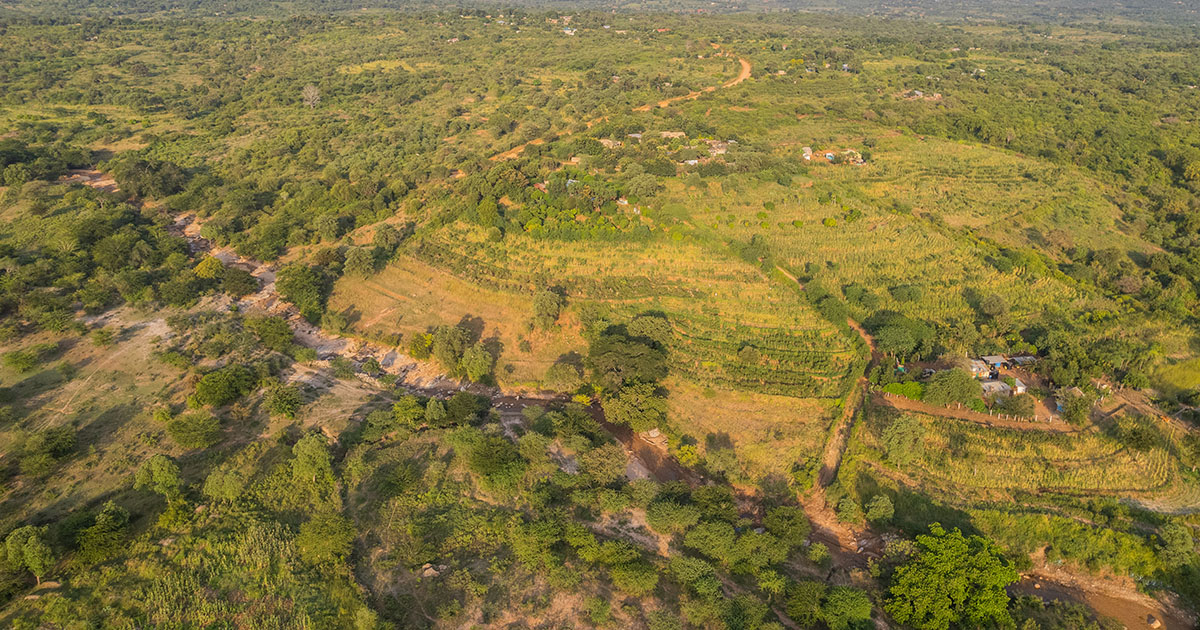





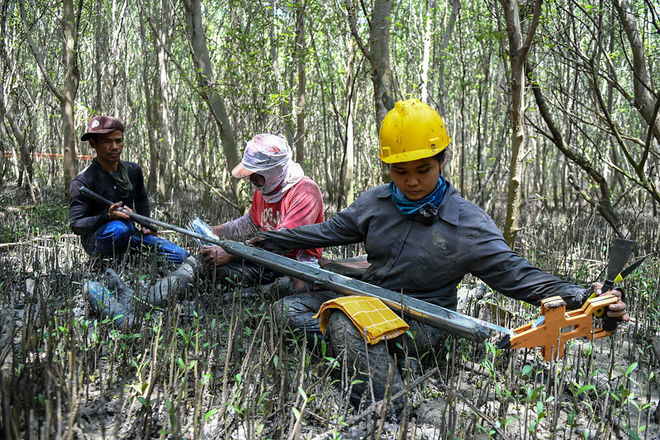



Introduction: Agroecology is increasingly recognized as a pathway for transforming agrifood systems and advancing progress toward the SDGs. Yet, large-scale, cross-context evidence on its multidimensional performance as framed holistically by the FAO’s 10 Elements remains limited. Methods: The Tool for Agroecology Performance Evaluation (TAPE) and the Land Degradation Surveillance Framework (LDSF) were applied on 839 farming households in Benin, Ethiopia, Kenya, and Madagascar. Correlation analysis was used to quantify relationship between agroecological integration and multidimensional performance key drivers were identified through regression analysis. Results and Discussion: Higher levels of agroecological integration are significantly positively correlated with higher performance across economic, environmental and social domains. This implies that the environmental benefits of agroecology do not come at the cost of reduced productivity and profitability and suggests that agroecology significantly contributes to sustainable development in Africa. Sociocultural Elements of Agroecology, including human and social values, culture and food traditions, and knowledge co-creation, emerged as key drivers of agroecological transitions and multidimensional performance. However, barriers remain, such as high input costs, insecure land tenure (particularly for women), and low youth engagement in farming. The study emphasizes the need for enabling policies that support agroecological business models, secure tenure rights, and foster equitable, labor-saving innovations. By providing multi-country evidence, it underscores the value of systemic, holistic food system assessments to guide agroecological transitions.
This work is licensed under CC-BY 4.0

This work is licensed under CC-BY 4.0
DOI:
https://doi.org/10.3389/fsufs.2025.1667882Skor altmetrik:
Jumlah Kutipan Dimensi:
Ekspor kutipan:
RIS (.ris)
TI  - Agroecology for sustainable development: evidence on multidimensional performance from a cross-country TAPE assessment in Africa
AU  - Adoyo, B.
AU  - Geck, M.
AU  - Adeyemi, C.
AU  - Alpuerto, J.
AU  - Arinloye-Ademonla, D.
AU  - Ateku, D.
AU  - Autfray, P.
AU  - Barahona, C.
AU  - Chacha, R.
AU  - Cluset, R.
AU  - Innocent, F.
AU  - Karari, V.
AU  - Kersting, D.
AU  - Mills, D.
AU  - Sila, A.
AU  - Oulu, M.
AU  - Thomson, A.
AU  - Weullow, E.
AU  - Winowiecki, L.A.
AU  - Wolde-meskel, E.
AU  - Zampela, P.
AU  - Sörensen, L.
AB  - Introduction: Agroecology is increasingly recognized as a pathway for transforming agrifood systems and advancing progress toward the SDGs. Yet, large-scale, cross-context evidence on its multidimensional performance as framed holistically by the FAO’s 10 Elements remains limited. Methods: The Tool for Agroecology Performance Evaluation (TAPE) and the Land Degradation Surveillance Framework (LDSF) were applied on 839 farming households in Benin, Ethiopia, Kenya, and Madagascar. Correlation analysis was used to quantify relationship between agroecological integration and multidimensional performance key drivers were identified through regression analysis. Results and Discussion: Higher levels of agroecological integration are significantly positively correlated with higher performance across economic, environmental and social domains. This implies that the environmental benefits of agroecology do not come at the cost of reduced productivity and profitability and suggests that agroecology significantly contributes to sustainable development in Africa. Sociocultural Elements of Agroecology, including human and social values, culture and food traditions, and knowledge co-creation, emerged as key drivers of agroecological transitions and multidimensional performance. However, barriers remain, such as high input costs, insecure land tenure (particularly for women), and low youth engagement in farming. The study emphasizes the need for enabling policies that support agroecological business models, secure tenure rights, and foster equitable, labor-saving innovations. By providing multi-country evidence, it underscores the value of systemic, holistic food system assessments to guide agroecological transitions.
PY  - 2025
UR  - https://www.cifor-icraf.org/knowledge/publication/46313/
DO  - https://doi.org/10.3389/fsufs.2025.1667882
KW  - biodiversity, food security, income, productivity, soil health, transition
ER  -
Endnote (.ciw)
%T Agroecology for sustainable development: evidence on multidimensional performance from a cross-country TAPE assessment in Africa
%A Adoyo, B.
%A Geck, M.
%A Adeyemi, C.
%A Alpuerto, J.
%A Arinloye-Ademonla, D.
%A Ateku, D.
%A Autfray, P.
%A Barahona, C.
%A Chacha, R.
%A Cluset, R.
%A Innocent, F.
%A Karari, V.
%A Kersting, D.
%A Mills, D.
%A Sila, A.
%A Oulu, M.
%A Thomson, A.
%A Weullow, E.
%A Winowiecki, L.A.
%A Wolde-meskel, E.
%A Zampela, P.
%A Sörensen, L.
%D 2025
%U https://www.cifor-icraf.org/knowledge/publication/46313/
%R https://doi.org/10.3389/fsufs.2025.1667882
%X Introduction: Agroecology is increasingly recognized as a pathway for transforming agrifood systems and advancing progress toward the SDGs. Yet, large-scale, cross-context evidence on its multidimensional performance as framed holistically by the FAO’s 10 Elements remains limited. Methods: The Tool for Agroecology Performance Evaluation (TAPE) and the Land Degradation Surveillance Framework (LDSF) were applied on 839 farming households in Benin, Ethiopia, Kenya, and Madagascar. Correlation analysis was used to quantify relationship between agroecological integration and multidimensional performance key drivers were identified through regression analysis. Results and Discussion: Higher levels of agroecological integration are significantly positively correlated with higher performance across economic, environmental and social domains. This implies that the environmental benefits of agroecology do not come at the cost of reduced productivity and profitability and suggests that agroecology significantly contributes to sustainable development in Africa. Sociocultural Elements of Agroecology, including human and social values, culture and food traditions, and knowledge co-creation, emerged as key drivers of agroecological transitions and multidimensional performance. However, barriers remain, such as high input costs, insecure land tenure (particularly for women), and low youth engagement in farming. The study emphasizes the need for enabling policies that support agroecological business models, secure tenure rights, and foster equitable, labor-saving innovations. By providing multi-country evidence, it underscores the value of systemic, holistic food system assessments to guide agroecological transitions.
%K biodiversity
%K food security
%K income
%K productivity
%K soil health
%K transition
Tahun publikasi
2025
ISSN
2571-581X
Penulis
Adoyo, B.; Geck, M.; Adeyemi, C.; Alpuerto, J.; Arinloye-Ademonla, D.; Ateku, D.; Autfray, P.; Barahona, C.; Chacha, R.; Cluset, R.; Innocent, F.; Karari, V.; Kersting, D.; Mills, D.; Sila, A.; Oulu, M.; Thomson, A.; Weullow, E.; Winowiecki, L.A.; Wolde-meskel, E.; Zampela, P.; Sörensen, L.
Bahasa
English
Kata kunci
biodiversity, food security, income, productivity, soil health, transition
Source
Frontiers in Sustainable Food Systems. 9: 1667882
Geografis
Benin, Ethiopia, Kenya, Madagascar