
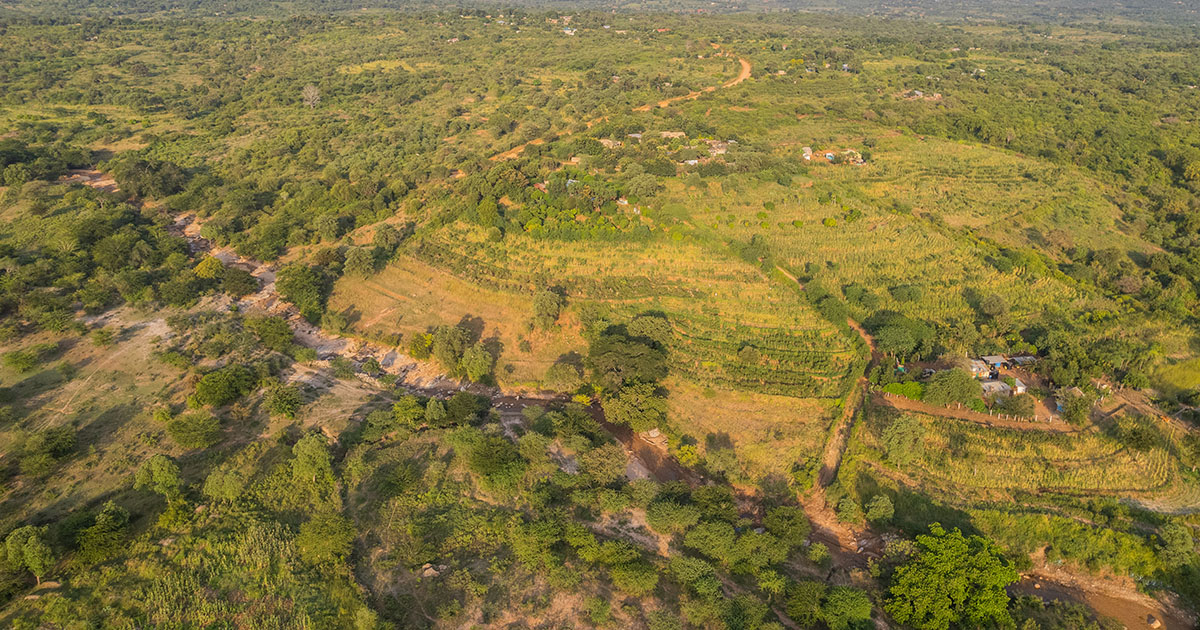






Native tree species are critical for addressing global challenges such as biodiversity loss, climate change, and sustainable livelihoods. Millions of species depend on the right trees to survive, and native species provide essential ecosystem services including carbon sequestration, soil stability, water regulation, and energy. While exotic species like pine and eucalyptus are fast-growing and commercially attractive, their widespread promotion risks displacing native biodiversity, accelerating extinctions, and sometimes increasing CO₂ emissions. Restoration efforts under global initiatives such as the Bonn Challenge often prioritize commercial plantations, which can undermine ecological integrity.
Currently, 30% of the world’s tree species are threatened with extinction, with over 2,800 critically endangered. Planting the wrong species in the wrong place can deplete water tables, cause erosion, or exclude local communities from benefits. Constraints to native tree planting include limited demand, poor seed systems, and technical challenges in propagation. Opportunities exist through frameworks like the “10 Golden Rules for Restoring Forests,” national biodiversity strategies, and accountability mechanisms such as TNFD. Native species not only support biodiversity but also provide cultural, ecological, and livelihood benefits, making them essential for long-term forest landscape restoration.
You can play the slide directly on slideshare. Please click

Explore eventos futuros e passados em todo o mundo e online, sejam hospedados pelo CIFOR-ICRAF ou com a participação de nossos pesquisadores.

Découvrez les évènements passés et à venir dans le monde entier et en ligne, qu’ils soient organisés par le CIFOR-ICRAF ou auxquels participent nos chercheurs.
Jelajahi acara-acara mendatang dan yang telah lalu di lintas global dan daring, baik itu diselenggarakan oleh CIFOR-ICRAF atau dihadiri para peneliti kami.
Explore eventos futuros y pasados organizados por CIFOR-ICRAF o con la participación de nuestros investigadores.
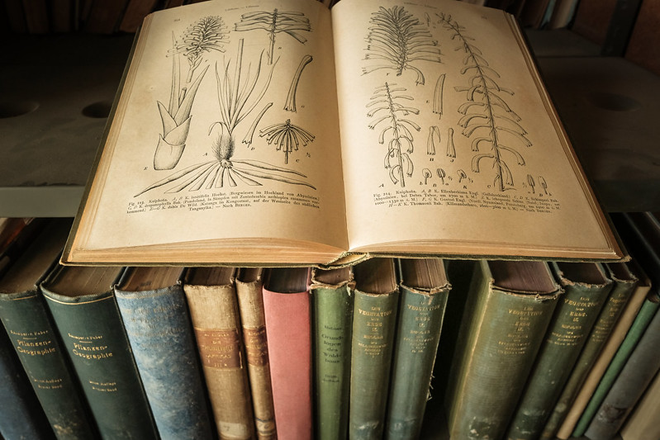
CIFOR-ICRAF menerbitkan lebih dari 750 publikasi setiap tahunnya mengenai agroforestri, hutan dan perubahan iklim, restorasi bentang alam, pemenuhan hak-hak, kebijakan hutan dan masih banyak lagi – juga tersedia dalam berbagai bahasa..
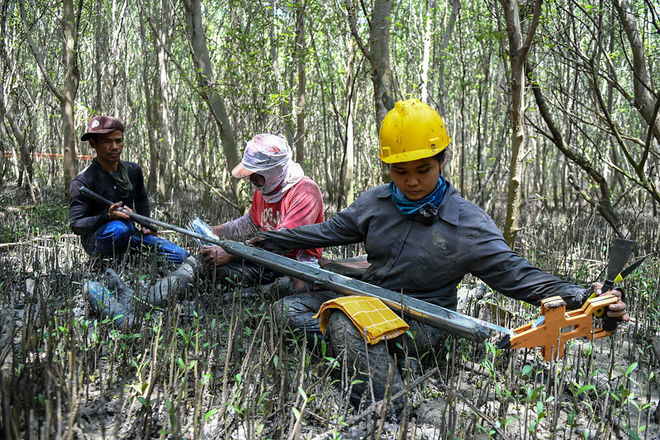
CIFOR-ICRAF mendukung dampak ilmiah. Kami melakukan penelitian inovatif, memperkuat kapasitas mitra dan secara aktif terlibat dalam dialog dengan para pemangku kepentingan, menyajikan wawasan termutakhir terkait hutan, pohon, bentang alam, dan masyarakat untuk pengambilan keputusan global.
CIFOR-ICRAF berfokus pada tantangan-tantangan dan peluang lokal dalam memberikan solusi global untuk hutan, bentang alam, masyarakat, dan Bumi kita
Kami menyediakan bukti-bukti serta solusi untuk mentransformasikan bagaimana lahan dimanfaatkan dan makanan diproduksi: melindungi dan memperbaiki ekosistem, merespons iklim global, malnutrisi, keanekaragaman hayati dan krisis disertifikasi. Ringkasnya, kami berupaya untuk mendukung kehidupan yang lebih baik.

