
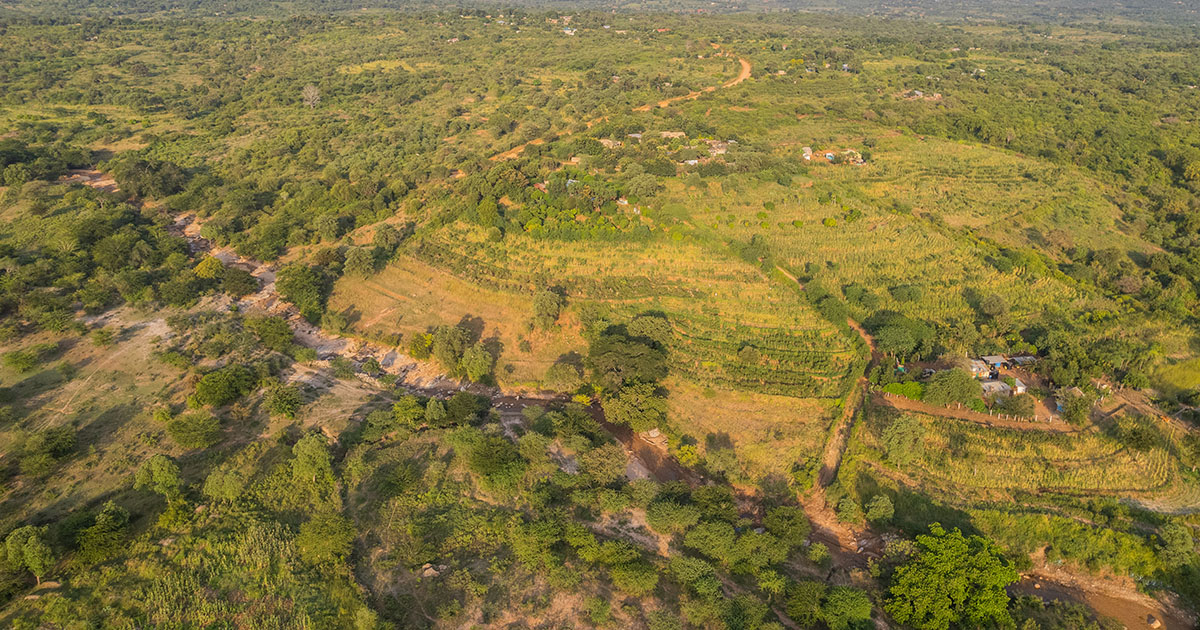






Smallholder timber tree growing is primarily driven by livelihood needs rather than ecosystem restoration. Farmers plant trees to harvest timber or forest products for income, with success depending on clear land and tree ownership, reliable markets, robust technical packages, and supportive legal frameworks. Across Asia and Africa, millions of smallholders manage timber plantations using species such as acacia, teak, eucalyptus, casuarina, grevillea, and poplar. These species—mostly exotics—are chosen for fast growth, short rotations, and strong commercial demand. Technical packages, including improved germplasm and silvicultural practices, enable growers to minimize risks and maximize returns.
Successful smallholder timber growing is characterized by strong market demand, short rotations for quick returns, simple silviculture, and flexibility to change species over time. Sustained productivity requires good site and stand management across successive rotations, regardless of species origin. Practices such as leaving harvest residues, avoiding soil burning, and moderate weed control have proven effective in maintaining yields. Commercial timber plantations also support small-scale wood processing industries, linking rural growers with urban markets. Environmental impacts are modest and manageable when plantations occupy only a small percentage of catchment areas, while carbon sequestration benefits are realized through wood products and energy substitution.
You can play the slide directly on slideshare. Please click

Explore eventos futuros e passados em todo o mundo e online, sejam hospedados pelo CIFOR-ICRAF ou com a participação de nossos pesquisadores.

Découvrez les évènements passés et à venir dans le monde entier et en ligne, qu’ils soient organisés par le CIFOR-ICRAF ou auxquels participent nos chercheurs.
Jelajahi acara-acara mendatang dan yang telah lalu di lintas global dan daring, baik itu diselenggarakan oleh CIFOR-ICRAF atau dihadiri para peneliti kami.
Explore eventos futuros y pasados organizados por CIFOR-ICRAF o con la participación de nuestros investigadores.
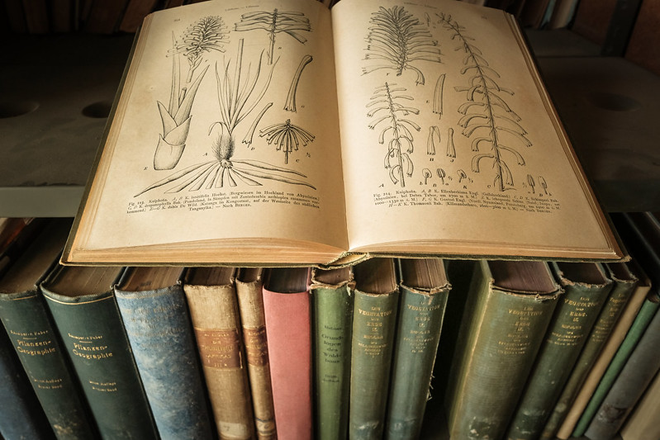
CIFOR-ICRAF menerbitkan lebih dari 750 publikasi setiap tahunnya mengenai agroforestri, hutan dan perubahan iklim, restorasi bentang alam, pemenuhan hak-hak, kebijakan hutan dan masih banyak lagi – juga tersedia dalam berbagai bahasa..
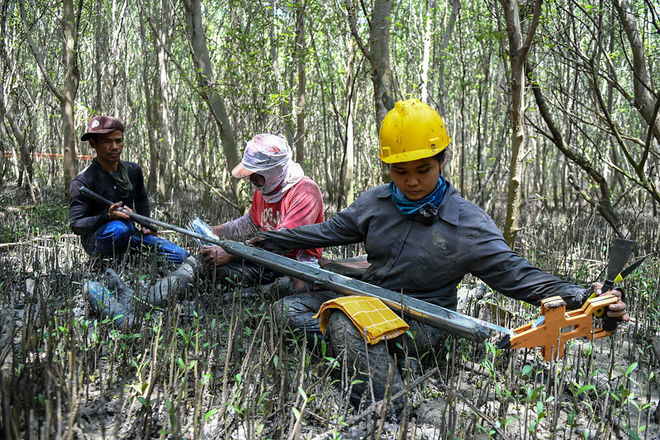
CIFOR-ICRAF mendukung dampak ilmiah. Kami melakukan penelitian inovatif, memperkuat kapasitas mitra dan secara aktif terlibat dalam dialog dengan para pemangku kepentingan, menyajikan wawasan termutakhir terkait hutan, pohon, bentang alam, dan masyarakat untuk pengambilan keputusan global.
CIFOR-ICRAF berfokus pada tantangan-tantangan dan peluang lokal dalam memberikan solusi global untuk hutan, bentang alam, masyarakat, dan Bumi kita
Kami menyediakan bukti-bukti serta solusi untuk mentransformasikan bagaimana lahan dimanfaatkan dan makanan diproduksi: melindungi dan memperbaiki ekosistem, merespons iklim global, malnutrisi, keanekaragaman hayati dan krisis disertifikasi. Ringkasnya, kami berupaya untuk mendukung kehidupan yang lebih baik.

