





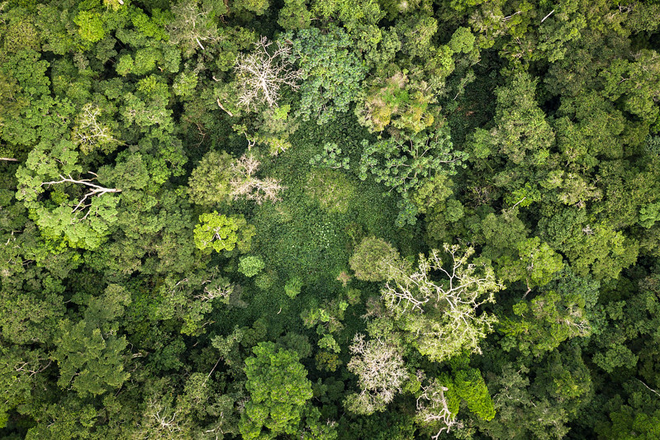



CIRAD-Forêt research on the dynamics of tropical moist forests has been carried since 1974, in collaboration with different tropical forest research institutes. Research is based on a worldwide network of experimental layouts whose most important sites are located in Africa ( Mopri, Irobo and La Tênê in Cote-d'Ivoire and M'baiki in Central African Republic), in South-America (ZF2 at Manaus in Brazil, Paracou in French Guiana) and in Asia (STREK in Beurau in Indonesia). the layouts have been designed with a common methodology and followed-up in a coherent way. They permit to study the dynamics of tropical moist forest ecosystem and the response of different forest types to various interventions such as logging and the silvicultural treatments. Many studies have been carried out in these permanent plots. Some results have already led to implementation of large scale forest management projects (for example Yapo in Cote-d'Ivoire). The aim of this paper is to present the average parameters of the natural forest dynamics (growth, mortality and recruitment). Then we will show the changes in these parameters following an artificial disturbance and the relationship between the stand density and its dynamics. Lastly, we will use these relations to calculate the time required for the forest stand to recover its original state after logging.
This work is licensed under CC-BY 4.0

Download:

This work is licensed under CC-BY 4.0
DOI:
https://doi.org/10.19182/bft1997.254.a19898Skor altmetrik:
Jumlah Kutipan Dimensi:
Ekspor kutipan:
RIS (.ris)
TI  - Réaction de peuplements forestiers tropicaux à des interventions sylvicoles
AU  - Favrichon, V.
AU  - Damio, T.
AU  - Doumbia, F.
AU  - Dupuy, B.
AU  - Higuchi, N.
AU  - Kadir K.
AU  - Maitre, H.F.
AU  - Nguyen-The, N.
AU  - Petrucci, Y.
AU  - Sist, P.
AB  - CIRAD-Forêt research on the dynamics of tropical moist forests has been carried  since 1974, in collaboration with different tropical forest research institutes. Research is based on a worldwide network of experimental layouts whose most important sites are located in Africa ( Mopri, Irobo and La Tênê in Cote-d'Ivoire and M'baiki in Central African Republic), in South-America (ZF2 at Manaus in Brazil, Paracou in French Guiana) and in Asia (STREK in Beurau in Indonesia). the layouts have been designed with a common methodology and followed-up in a coherent way. They permit to study the dynamics of tropical moist forest ecosystem and the response of different forest types to various interventions such as logging and the silvicultural treatments. Many studies have been carried out in these permanent plots. Some results have already led to implementation of large scale forest management projects (for example Yapo in  Cote-d'Ivoire). The aim of this paper is to present the average parameters of the natural forest dynamics (growth, mortality and recruitment). Then we will show the changes in these parameters following an artificial disturbance and the relationship between the stand density and its dynamics. Lastly, we will use these relations to calculate the time required for the forest stand to recover its original state after logging.
PY  - 1997
UR  - https://www.cifor-icraf.org/knowledge/publication/434/
DO  - https://doi.org/10.19182/bft1997.254.a19898
KW  - forest management, logging effects, timber extraction, timber harvesting
ER  -
Endnote (.ciw)
%T Réaction de peuplements forestiers tropicaux à des interventions sylvicoles
%A Favrichon, V.
%A Damio, T.
%A Doumbia, F.
%A Dupuy, B.
%A Higuchi, N.
%A Kadir K.
%A Maitre, H.F.
%A Nguyen-The, N.
%A Petrucci, Y.
%A Sist, P.
%D 1997
%U https://www.cifor-icraf.org/knowledge/publication/434/
%R https://doi.org/10.19182/bft1997.254.a19898
%X CIRAD-Forêt research on the dynamics of tropical moist forests has been carried  since 1974, in collaboration with different tropical forest research institutes. Research is based on a worldwide network of experimental layouts whose most important sites are located in Africa ( Mopri, Irobo and La Tênê in Cote-d'Ivoire and M'baiki in Central African Republic), in South-America (ZF2 at Manaus in Brazil, Paracou in French Guiana) and in Asia (STREK in Beurau in Indonesia). the layouts have been designed with a common methodology and followed-up in a coherent way. They permit to study the dynamics of tropical moist forest ecosystem and the response of different forest types to various interventions such as logging and the silvicultural treatments. Many studies have been carried out in these permanent plots. Some results have already led to implementation of large scale forest management projects (for example Yapo in  Cote-d'Ivoire). The aim of this paper is to present the average parameters of the natural forest dynamics (growth, mortality and recruitment). Then we will show the changes in these parameters following an artificial disturbance and the relationship between the stand density and its dynamics. Lastly, we will use these relations to calculate the time required for the forest stand to recover its original state after logging.
%K forest management
%K logging effects
%K timber extraction
%K timber harvesting
Tahun publikasi
1997
ISSN
0006-579X
Penulis
Favrichon, V.; Damio, T.; Doumbia, F.; Dupuy, B.; Higuchi, N.; Kadir K.; Maitre, H.F.; Nguyen-The, N.; Petrucci, Y.; Sist, P.
Bahasa
French
Kata kunci
forest management, logging effects, timber extraction, timber harvesting
Source
Bois et Forêts des Tropiques. 254(4): 5-24
Geografis
Indonesia