
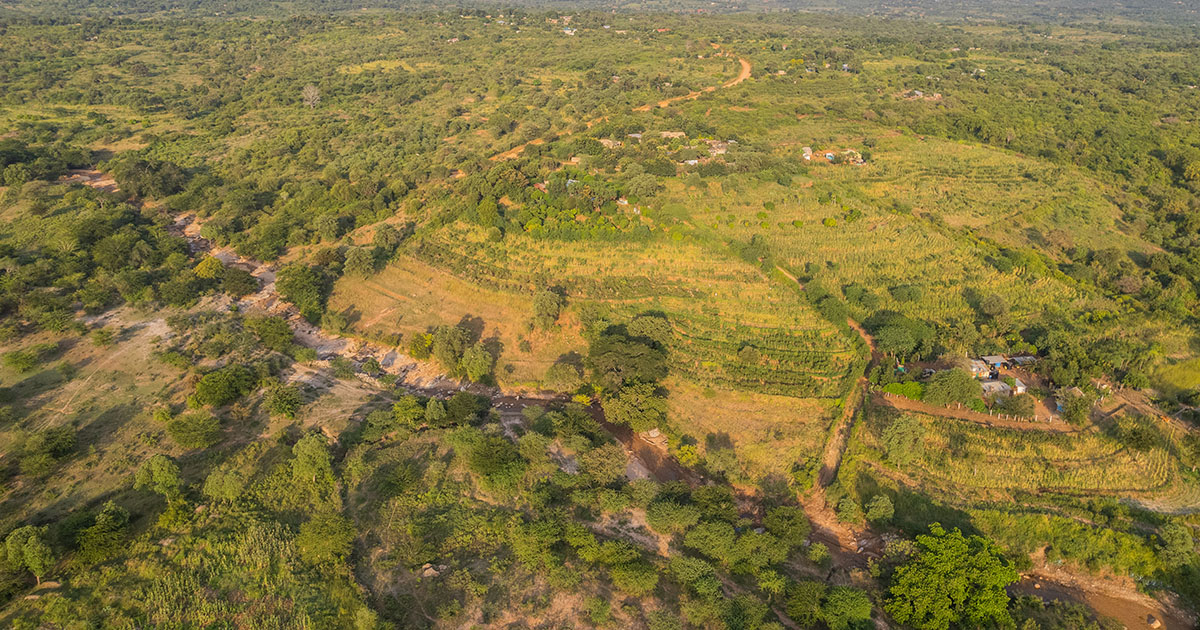



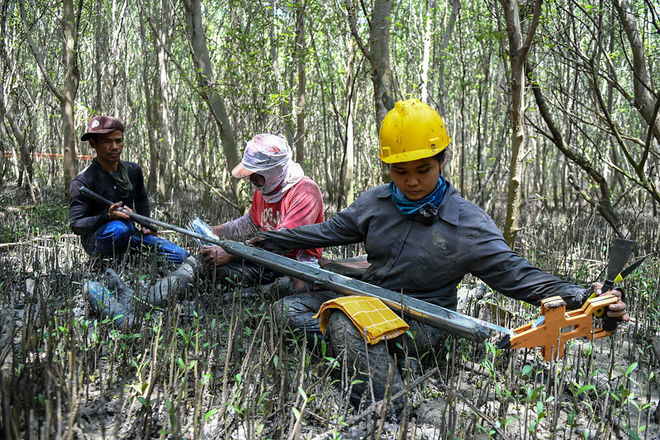
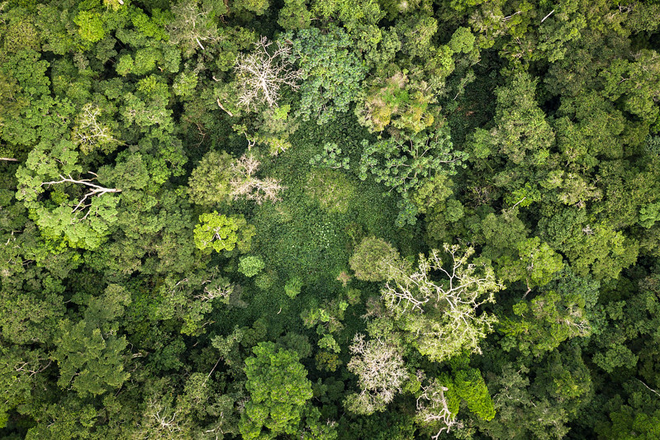



This study examined the interactions between social and ecological dynamics in a savannah ecosystem in Mali. In a context of cotton crises and of forest reform with the creation of rural woodfuel markets managed by woodcutters’ cooperatives, we assessed the impact of changes in savannah characteristics (biomass, biodiversity) on the delivery of fuelwood by comparing woodcutting practices in selected savannah sites and households from 2003 to 2010. Our findings show that changes in the delivery of fuelwood over the study period led to a shift in activities and roles and consequently affected the social status of different savannah users. Marginalized users (women and young men) benefited from the changes in savannah structure to secure independent livelihoods, and opportunities emerged for women and young men to increase their economic autonomy. Although the observed trends did not produce a radical transformation of existing (unbalanced) gender- and age-based power relations, this study demonstrates how changes in the savannah structure may offer vulnerable people an opportunity to change certain power imbalances and limitations.

DOI:
https://doi.org/10.1007/s10668-019-00336-1Skor altmetrik:
Jumlah Kutipan Dimensi:
Ekspor kutipan:
RIS (.ris)
TI  - Savannah gendered transition: how woodlands dynamics and changes in fuelwood delivery influence economic autonomy in Mali
AU  - Gautier, D.
AU  - Dessard, H.
AU  - Djoudi, H.
AU  - Gazull, L.
AU  - Soumaré, M.
AB  - This study examined the interactions between social and ecological dynamics in a savannah ecosystem in Mali. In a context of cotton crises and of forest reform with the creation of rural woodfuel markets managed by woodcutters’ cooperatives, we assessed the impact of changes in savannah characteristics (biomass, biodiversity) on the delivery of fuelwood by comparing woodcutting practices in selected savannah sites and households from 2003 to 2010. Our findings show that changes in the delivery of fuelwood over the study period led to a shift in activities and roles and consequently affected the social status of different savannah users. Marginalized users (women and young men) benefited from the changes in savannah structure to secure independent livelihoods, and opportunities emerged for women and young men to increase their economic autonomy. Although the observed trends did not produce a radical transformation of existing (unbalanced) gender- and age-based power relations, this study demonstrates how changes in the savannah structure may offer vulnerable people an opportunity to change certain power imbalances and limitations.
PY  - 2020
UR  - https://www.cifor-icraf.org/knowledge/publication/7365/
DO  - https://doi.org/10.1007/s10668-019-00336-1
KW  - ecosystems, gender, households, livelihoods, savannas, socioeconomics
ER  -
Endnote (.ciw)
%T Savannah gendered transition: how woodlands dynamics and changes in fuelwood delivery influence economic autonomy in Mali
%A Gautier, D.
%A Dessard, H.
%A Djoudi, H.
%A Gazull, L.
%A Soumaré, M.
%D 2020
%U https://www.cifor-icraf.org/knowledge/publication/7365/
%R https://doi.org/10.1007/s10668-019-00336-1
%X This study examined the interactions between social and ecological dynamics in a savannah ecosystem in Mali. In a context of cotton crises and of forest reform with the creation of rural woodfuel markets managed by woodcutters’ cooperatives, we assessed the impact of changes in savannah characteristics (biomass, biodiversity) on the delivery of fuelwood by comparing woodcutting practices in selected savannah sites and households from 2003 to 2010. Our findings show that changes in the delivery of fuelwood over the study period led to a shift in activities and roles and consequently affected the social status of different savannah users. Marginalized users (women and young men) benefited from the changes in savannah structure to secure independent livelihoods, and opportunities emerged for women and young men to increase their economic autonomy. Although the observed trends did not produce a radical transformation of existing (unbalanced) gender- and age-based power relations, this study demonstrates how changes in the savannah structure may offer vulnerable people an opportunity to change certain power imbalances and limitations.
%K ecosystems
%K gender
%K households
%K livelihoods
%K savannas
%K socioeconomics
Tahun publikasi
2020
ISSN
1387-585X
Penulis
Gautier, D.; Dessard, H.; Djoudi, H.; Gazull, L.; Soumaré, M.
Bahasa
English
Kata kunci
ecosystems, gender, households, livelihoods, savannas, socioeconomics
Source
Environment, Development and Sustainability. 22(4): 3097-3117
Geografis
Mali