
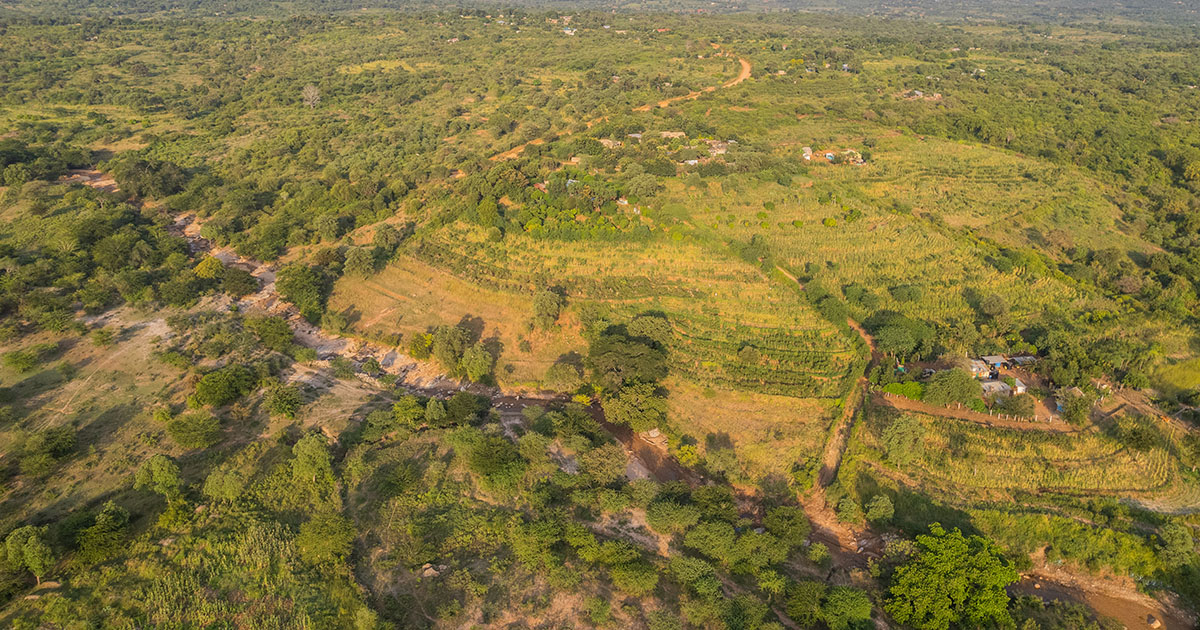






Native tree species are critical for addressing global challenges such as biodiversity loss, climate change, and sustainable livelihoods. Millions of species depend on the right trees to survive, and native species provide essential ecosystem services including carbon sequestration, soil stability, water regulation, and energy. While exotic species like pine and eucalyptus are fast-growing and commercially attractive, their widespread promotion risks displacing native biodiversity, accelerating extinctions, and sometimes increasing CO₂ emissions. Restoration efforts under global initiatives such as the Bonn Challenge often prioritize commercial plantations, which can undermine ecological integrity.
Currently, 30% of the world’s tree species are threatened with extinction, with over 2,800 critically endangered. Planting the wrong species in the wrong place can deplete water tables, cause erosion, or exclude local communities from benefits. Constraints to native tree planting include limited demand, poor seed systems, and technical challenges in propagation. Opportunities exist through frameworks like the “10 Golden Rules for Restoring Forests,” national biodiversity strategies, and accountability mechanisms such as TNFD. Native species not only support biodiversity but also provide cultural, ecological, and livelihood benefits, making them essential for long-term forest landscape restoration.
You can play the slide directly on slideshare. Please click

Explore eventos futuros e passados em todo o mundo e online, sejam hospedados pelo CIFOR-ICRAF ou com a participação de nossos pesquisadores.

Découvrez les évènements passés et à venir dans le monde entier et en ligne, qu’ils soient organisés par le CIFOR-ICRAF ou auxquels participent nos chercheurs.
Jelajahi acara-acara mendatang dan yang telah lalu di lintas global dan daring, baik itu diselenggarakan oleh CIFOR-ICRAF atau dihadiri para peneliti kami.
Explore eventos futuros y pasados organizados por CIFOR-ICRAF o con la participación de nuestros investigadores.
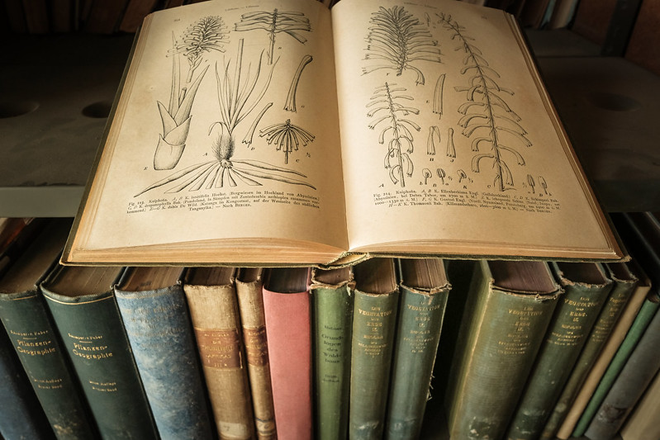
CIFOR-ICRAF publie chaque année plus de 750 publications sur l’agroforesterie, les forêts et le changement climatique, la restauration des paysages, les droits, la politique forestière et bien d’autres sujets encore, et ce dans plusieurs langues. .
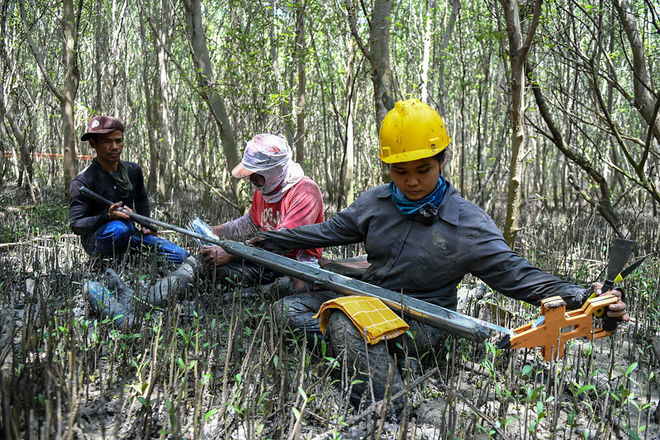
CIFOR-ICRAF a un impact fondé sur la science. Nous menons des recherches innovantes, renforçons les capacités de nos partenaires et engageons activement le dialogue avec toutes les parties prenantes, en apportant les dernières connaissances sur les forêts, les arbres, les paysages et les populations à la prise de décision au niveau mondial.
CIFOR-ICRAF s’attaque aux défis et aux opportunités locales tout en apportant des solutions aux problèmes mondiaux concernant les forêts, les paysages, les populations et la planète.
Nous fournissons des preuves et des solutions concrètes pour transformer l’utilisation des terres et la production alimentaire : conserver et restaurer les écosystèmes, répondre aux crises mondiales du climat, de la malnutrition, de la biodiversité et de la désertification. En bref, nous améliorons la vie des populations.

