
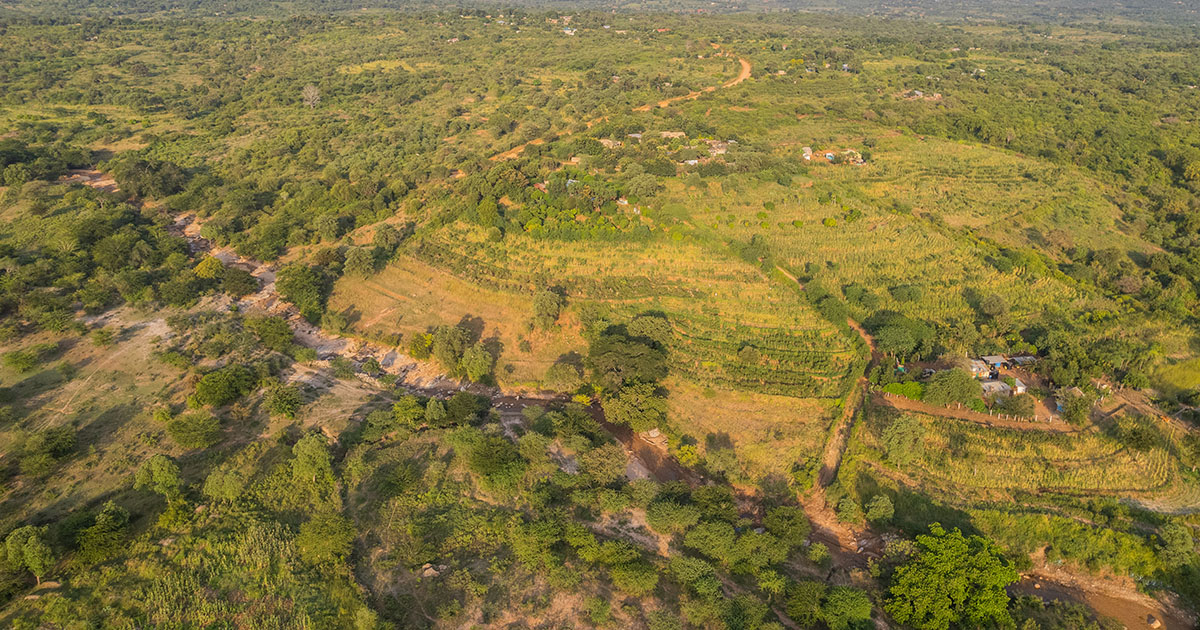
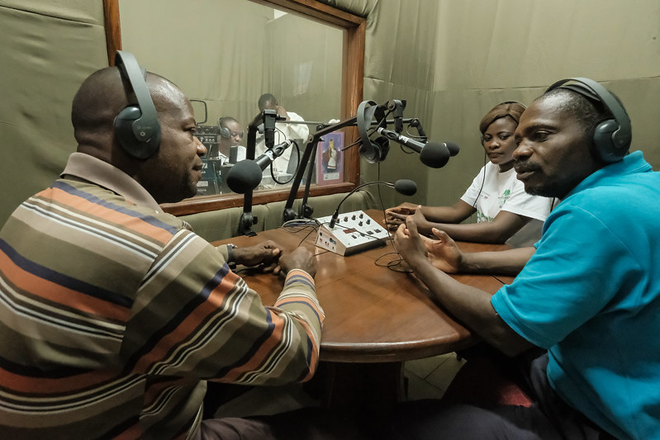


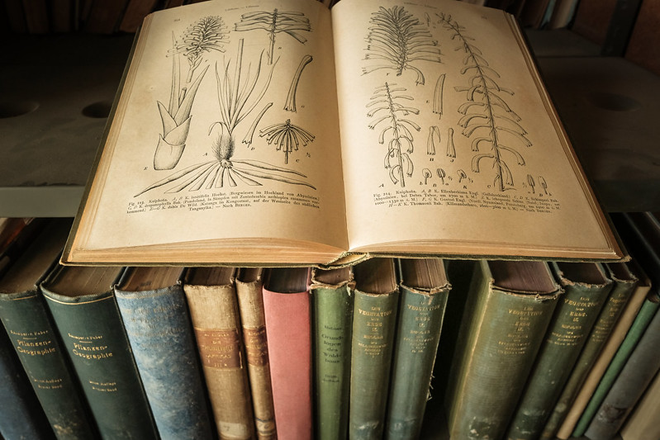
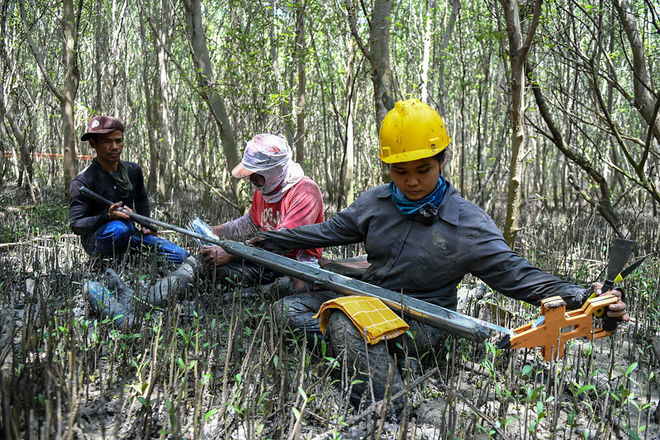
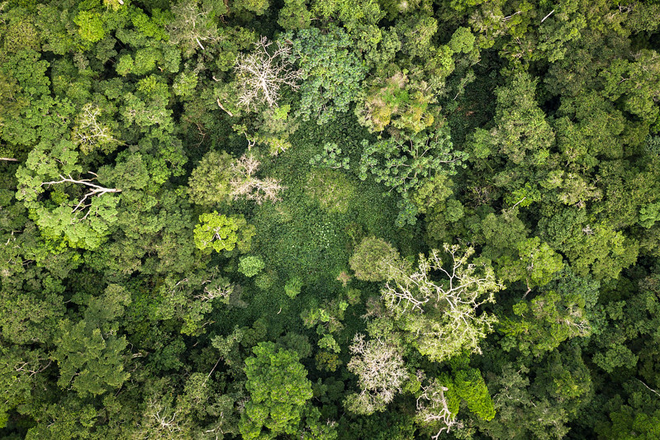



The Central Africa region (CAfR), generally known as the Congo Basin, is an "eco-region" representing the World's largest rainforest after Amazonia. Its importance for biodiversity conservation, livelihoods, human well-being, research and policy-making is already well known. This paper documents given aspects of social and cultural dimensions of natural resource management (NRM) in the CAfR. It argues that these could be of scientific and strategic interest for researchers, practitioners and program designers, if relevantly taken into consideration. Since the mid 90s, countries in the CAfR are implementing profound reforms of their forest management systems. As such, natural resource manipulation is a burning issue here. Ultimately, the paper recommends that scientific and conventional knowledge should unify with local knowledge, sometimes qualified as infra-knowledge, in order to generate sustainable practices of natural resources management.
Exporter la citation:
RIS (.ris)
TI  - Some dimensions of local practices of natural resource management in central Africa region
AU  - Mala, W.A.
AU  - Oyono, P.R.
AB  - The Central Africa region (CAfR), generally known as the Congo Basin, is an "eco-region" representing the World's largest rainforest after Amazonia. Its importance for biodiversity conservation, livelihoods, human well-being, research and policy-making is already well known. This paper documents given aspects of social and cultural dimensions of natural resource management (NRM) in the CAfR. It argues that these could be of scientific and strategic interest for researchers, practitioners and program designers, if relevantly taken into consideration. Since the mid 90s, countries in the CAfR are implementing profound reforms of their forest management systems. As such, natural resource manipulation is a burning issue here. Ultimately, the paper recommends that scientific and conventional knowledge should unify with local knowledge, sometimes qualified as infra-knowledge, in order to generate sustainable practices of natural resources management.
PY  - 2004
UR  - https://www.cifor-icraf.org/knowledge/publication/1787/
KW  - forest management, natural resources, resource management
ER  -
Endnote (.ciw)
%T Some dimensions of local practices of natural resource management in central Africa region
%A Mala, W.A.
%A Oyono, P.R.
%D 2004
%U https://www.cifor-icraf.org/knowledge/publication/1787/
%X The Central Africa region (CAfR), generally known as the Congo Basin, is an "eco-region" representing the World's largest rainforest after Amazonia. Its importance for biodiversity conservation, livelihoods, human well-being, research and policy-making is already well known. This paper documents given aspects of social and cultural dimensions of natural resource management (NRM) in the CAfR. It argues that these could be of scientific and strategic interest for researchers, practitioners and program designers, if relevantly taken into consideration. Since the mid 90s, countries in the CAfR are implementing profound reforms of their forest management systems. As such, natural resource manipulation is a burning issue here. Ultimately, the paper recommends that scientific and conventional knowledge should unify with local knowledge, sometimes qualified as infra-knowledge, in order to generate sustainable practices of natural resources management.
%K forest management
%K natural resources
%K resource management
Année de publication
2004
Auteurs
Langue
English
Mots clés
forest management, natural resources, resource management
Source
Research Review. 20(2): 24-31
Géographique
Democratic Republic of the Congo