
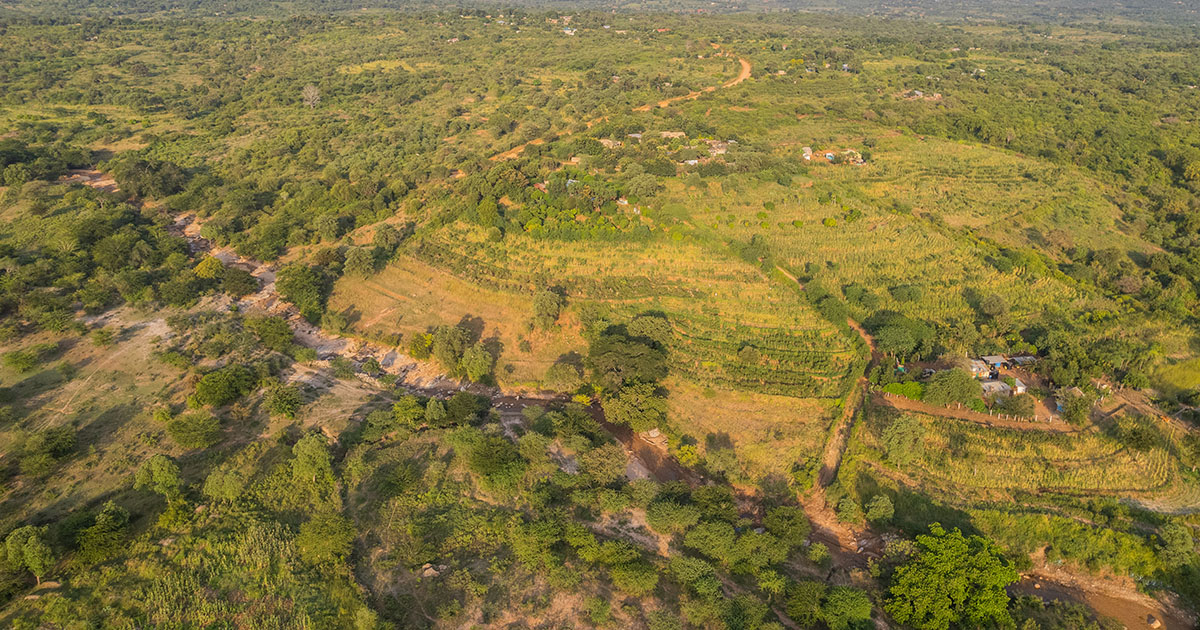
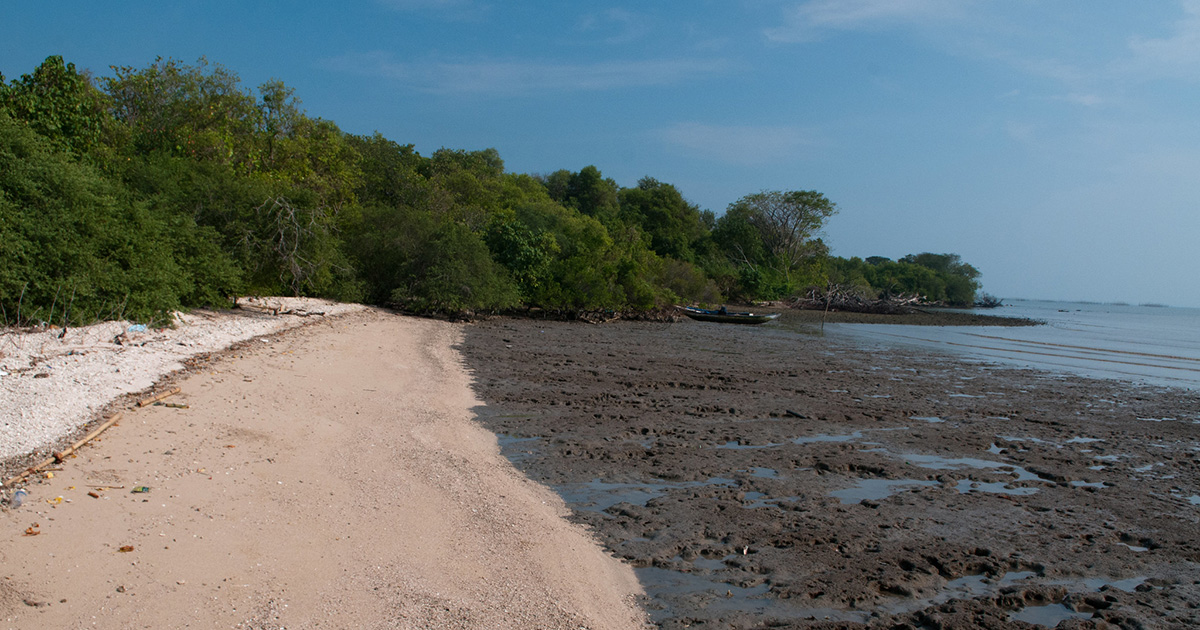



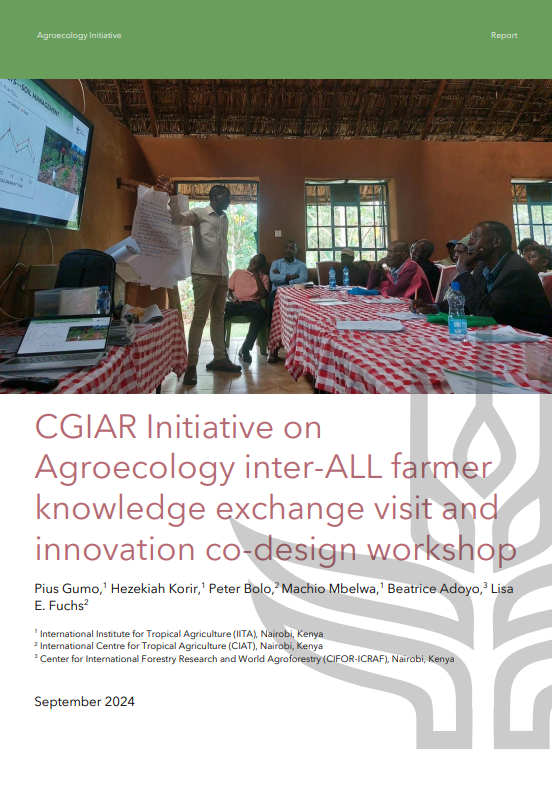


The CGIAR Agroecology Initiative (AE-I) aimed at supporting the emergence of a practical and collectively agreed action plans for each Agroecological Living Landscape (ALL) and its key stakeholders through a vision-to-action process. This plan entailed jointly identified behavioral changes for various actors that could facilitate a multi-actor, multi-strategy, multi-level agroecological transition from their current situation to the desired future changes they envisioned for their respective ALL. The action plans developed in both ALLs contained pathways related to innovative agroecological on-farm practices, including their testing and rigorous participatory monitoring. Following their prioritization, the WP1 team engaged a broad co-design process that included (1) a preliminary rapid innovation mapping, (2) a structured co-design workshop that brought about three practices that would be tested in each ALL, while defining criteria for participant selection, indicators to monitor etc., (3) technical training in the identified practices, and finally (4) the trial establishment and continuous rigorous monitoring.
This work is licensed under CC-BY 4.0
This work is licensed under CC-BY 4.0
Exporter la citation:
RIS (.ris)
TI  - CGIAR Initiative on Agroecology inter-ALL farmer knowledge exchange visit and innovation co-design workshop
AU  - Gumo, P.
AU  - Korir, H.
AU  - Bolo, P.
AU  - Mbelwa, M.
AU  - Adoyo, B.
AU  - Fuchs, L.E.
AB  - The CGIAR Agroecology Initiative (AE-I) aimed at supporting the emergence of a practical and collectively agreed action plans for each Agroecological Living Landscape (ALL) and its key stakeholders through a vision-to-action process. This plan entailed jointly identified behavioral changes for various actors that could facilitate a multi-actor, multi-strategy, multi-level agroecological transition from their current situation to the desired future changes they envisioned for their respective ALL. The action plans developed in both ALLs contained pathways related to innovative agroecological on-farm practices, including their testing and rigorous participatory monitoring. Following their prioritization, the WP1 team engaged a broad co-design process that included (1) a preliminary rapid innovation mapping, (2) a structured co-design workshop that brought about three practices that would be tested in each ALL, while defining criteria for participant selection, indicators to monitor etc., (3) technical training in the identified practices, and finally (4) the trial establishment and continuous rigorous monitoring.
PY  - 2024
UR  - https://www.cifor-icraf.org/knowledge/publication/36739/
KW  - agriculture, agroecology, experimentation, participatory approaches, pest management, smallholders, soil quality
ER  -
Endnote (.ciw)
%T CGIAR Initiative on Agroecology inter-ALL farmer knowledge exchange visit and innovation co-design workshop
%A Gumo, P.
%A Korir, H.
%A Bolo, P.
%A Mbelwa, M.
%A Adoyo, B.
%A Fuchs, L.E.
%D 2024
%U https://www.cifor-icraf.org/knowledge/publication/36739/
%X The CGIAR Agroecology Initiative (AE-I) aimed at supporting the emergence of a practical and collectively agreed action plans for each Agroecological Living Landscape (ALL) and its key stakeholders through a vision-to-action process. This plan entailed jointly identified behavioral changes for various actors that could facilitate a multi-actor, multi-strategy, multi-level agroecological transition from their current situation to the desired future changes they envisioned for their respective ALL. The action plans developed in both ALLs contained pathways related to innovative agroecological on-farm practices, including their testing and rigorous participatory monitoring. Following their prioritization, the WP1 team engaged a broad co-design process that included (1) a preliminary rapid innovation mapping, (2) a structured co-design workshop that brought about three practices that would be tested in each ALL, while defining criteria for participant selection, indicators to monitor etc., (3) technical training in the identified practices, and finally (4) the trial establishment and continuous rigorous monitoring.
%K agriculture
%K agroecology
%K experimentation
%K participatory approaches
%K pest management
%K smallholders
%K soil quality
Année de publication
2024
Auteurs
Gumo, P.; Korir, H.; Bolo, P.; Mbelwa, M.; Adoyo, B.; Fuchs, L.E.
Langue
English
Mots clés
agriculture, agroecology, experimentation, participatory approaches, pest management, smallholders, soil quality
Géographique
Kenya