

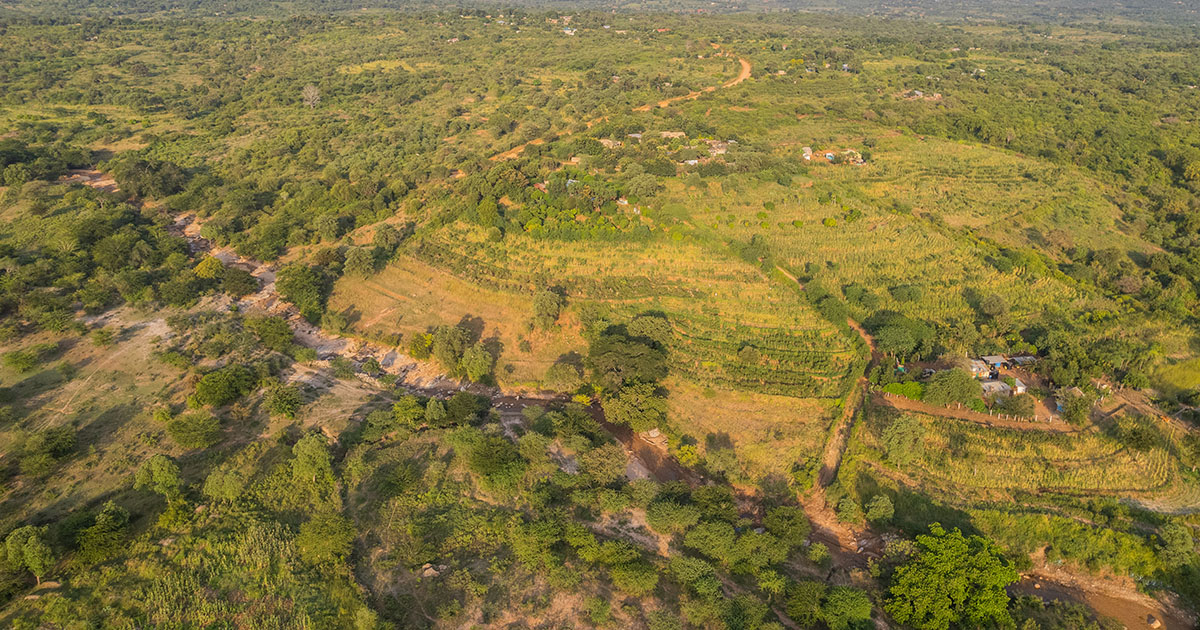





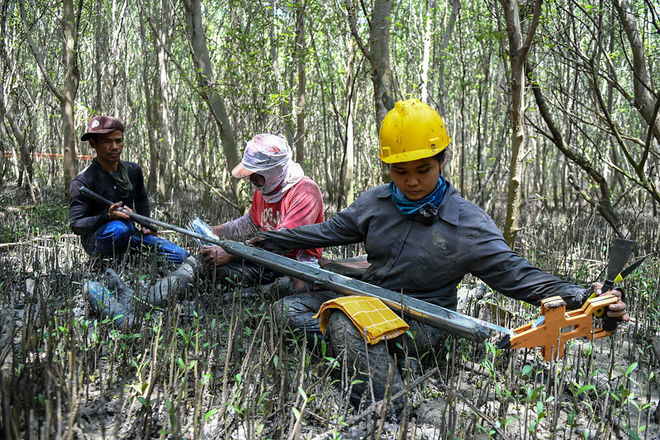




The jurisdictional approach concept emerged in response to the widespread failure of sectoral forest conservation projects. Despite its increasing popularity, understanding jurisdictional approach outcomes is challenging, given that many remain in either the formation or implementation stage. Furthermore, diverse stakeholders hold different perspectives on what exactly a jurisdictional approach is intended to pursue. These different perspectives are important to unravel, as having a shared understanding of the outcomes is important to build the critical support needed for it. This study aims to add to the limited evidence with a case study in Sabah, Malaysia, which is committed to addressing a leading deforestation driver (palm oil) through sustainability certification in a jurisdiction. We used Q-methodology to explore stakeholder perceptions, revealing three distinct perspectives regarding what outcomes jurisdictional approaches should pursue. We asked about outcomes achievable within ten years (2022–2032) and considering real-world constraints. We found different perspectives regarding economic, environmental, governance, and smallholders’ welfare outcomes. However, we found consensus among stakeholders about some outcomes: (i) that achieving zero-deforestation is untenable, (ii) that issuing compensation or incentives to private land owners to not convert forests into plantations is unrealistic, (iii) that the human well-being of plantation workers could improve through better welfare, and (iv) the free, prior and informed consent given by local communities being required legally. The findings offer insights into key stakeholders’ perceptions of the deliverables of jurisdictional approaches and the difficulty of achieving its objectives under real-world constraints.

DOI:
https://doi.org/10.1007/s00267-023-01876-zScore Altmetric:
Dimensions Nombre de citations:
Exporter la citation:
RIS (.ris)
TI  - Balancing Ambitions and Realities: Stakeholder Perspectives on Jurisdictional Approach Outcomes in Sabah’s Forests
AU  - Ng, J.S.C.
AU  - Chervier, C.
AU  - Carmenta, R.
AU  - Samdin, Z.
AU  - Azhar, B.
AU  - Karsenty, A.
AB  - The jurisdictional approach concept emerged in response to the widespread failure of sectoral forest conservation projects. Despite its increasing popularity, understanding jurisdictional approach outcomes is challenging, given that many remain in either the formation or implementation stage. Furthermore, diverse stakeholders hold different perspectives on what exactly a jurisdictional approach is intended to pursue. These different perspectives are important to unravel, as having a shared understanding of the outcomes is important to build the critical support needed for it. This study aims to add to the limited evidence with a case study in Sabah, Malaysia, which is committed to addressing a leading deforestation driver (palm oil) through sustainability certification in a jurisdiction. We used Q-methodology to explore stakeholder perceptions, revealing three distinct perspectives regarding what outcomes jurisdictional approaches should pursue. We asked about outcomes achievable within ten years (2022–2032) and considering real-world constraints. We found different perspectives regarding economic, environmental, governance, and smallholders’ welfare outcomes. However, we found consensus among stakeholders about some outcomes: (i) that achieving zero-deforestation is untenable, (ii) that issuing compensation or incentives to private land owners to not convert forests into plantations is unrealistic, (iii) that the human well-being of plantation workers could improve through better welfare, and (iv) the free, prior and informed consent given by local communities being required legally. The findings offer insights into key stakeholders’ perceptions of the deliverables of jurisdictional approaches and the difficulty of achieving its objectives under real-world constraints.
PY  - 2024
UR  - https://www.cifor-icraf.org/knowledge/publication/9024/
DO  - https://doi.org/10.1007/s00267-023-01876-z
KW  - certification, local community, methodology, oil palms, private sectore, stakeholders
ER  -
Endnote (.ciw)
%T Balancing Ambitions and Realities: Stakeholder Perspectives on Jurisdictional Approach Outcomes in Sabah’s Forests
%A Ng, J.S.C.
%A Chervier, C.
%A Carmenta, R.
%A Samdin, Z.
%A Azhar, B.
%A Karsenty, A.
%D 2024
%U https://www.cifor-icraf.org/knowledge/publication/9024/
%R https://doi.org/10.1007/s00267-023-01876-z
%X The jurisdictional approach concept emerged in response to the widespread failure of sectoral forest conservation projects. Despite its increasing popularity, understanding jurisdictional approach outcomes is challenging, given that many remain in either the formation or implementation stage. Furthermore, diverse stakeholders hold different perspectives on what exactly a jurisdictional approach is intended to pursue. These different perspectives are important to unravel, as having a shared understanding of the outcomes is important to build the critical support needed for it. This study aims to add to the limited evidence with a case study in Sabah, Malaysia, which is committed to addressing a leading deforestation driver (palm oil) through sustainability certification in a jurisdiction. We used Q-methodology to explore stakeholder perceptions, revealing three distinct perspectives regarding what outcomes jurisdictional approaches should pursue. We asked about outcomes achievable within ten years (2022–2032) and considering real-world constraints. We found different perspectives regarding economic, environmental, governance, and smallholders’ welfare outcomes. However, we found consensus among stakeholders about some outcomes: (i) that achieving zero-deforestation is untenable, (ii) that issuing compensation or incentives to private land owners to not convert forests into plantations is unrealistic, (iii) that the human well-being of plantation workers could improve through better welfare, and (iv) the free, prior and informed consent given by local communities being required legally. The findings offer insights into key stakeholders’ perceptions of the deliverables of jurisdictional approaches and the difficulty of achieving its objectives under real-world constraints.
%K certification
%K local community
%K methodology
%K oil palms
%K private sectore
%K stakeholders
Année de publication
2024
ISSN
0364-152X
Auteurs
Ng, J.S.C.; Chervier, C.; Carmenta, R.; Samdin, Z.; Azhar, B.; Karsenty, A.
Langue
English
Mots clés
certification, local community, methodology, oil palms, private sectore, stakeholders
Source
Environmental Management. 73: 259-273
Géographique
Malaysia