





Key messages
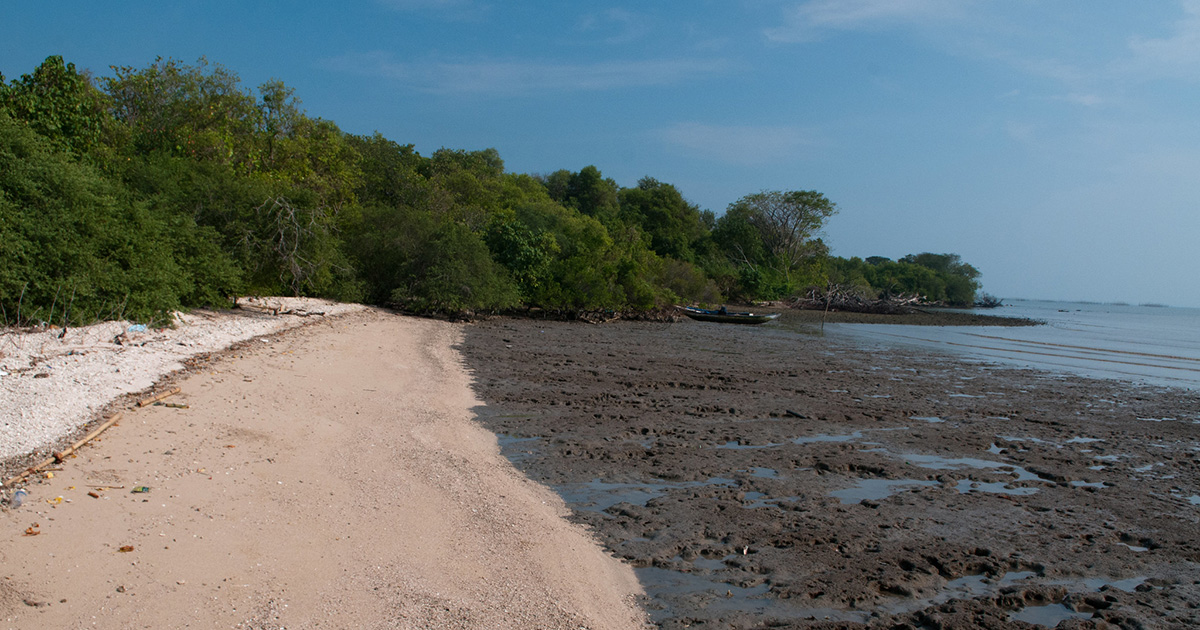
- Mangrove forests, which serve as breeding grounds for fish and crustacea, contribute to livelihoods of communities living on Manoka Island in Cameroon. In the absence of sustainable management mechanisms, these same mangrove forests and livelihoods are under pressure due to overharvesting of wood for fish smoking.
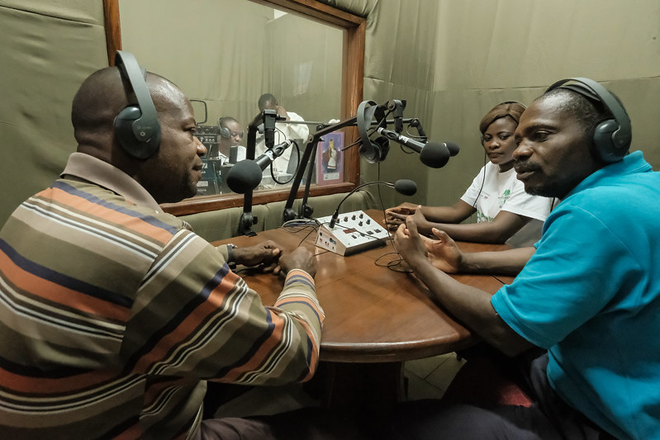
- Sustainable woodfuel value chain options for Manoka were identified through a scoping study and exchanges at a multistakeholder platform, which built the foundation for successful participation.
- The improved brick and metal smokehouses, developed and tested in collaboration with a women’s fish-smoking association (AFUMA), reduced wood consumption by 33% and 88%, and smoking time from three days to two days and one day, respectively.
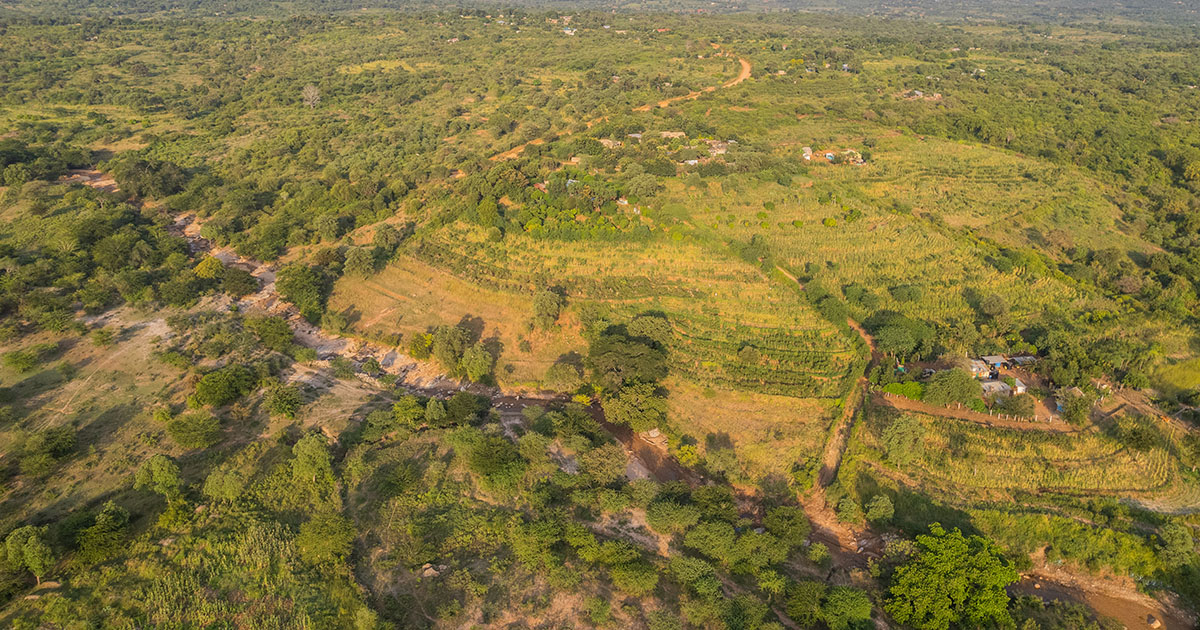
- Forest conservation, forest production and reforestation zones were designated by the Manoka Community Forest management institution based on a consensual local land-use plan with stakeholders.
- Plan Vivo, as the chosen environmental standard, contributed to the successful submission of a Project Idea Note (PIN) for a planned PES project and to developing the community’s own code of conduct for improved management of mangrove forests.
- The sustainability of interventions to reverse the mangrove forest degradation and deforestation trends on the island depends on further appropriation by the local council and other stakeholders, as well as on their capacity to replicate and scale up improved management, harvesting and smoking practices.
Download:

This work is licensed under CC-BY 4.0
Export citation:
RIS (.ris)
TI  - Improved practices for forest management and fish smoking in Cameroon’s mangroves
AU  - Awono, A.
AU  - Ntamag-Ndjebet, C.N.
AU  - Schure, J.
AU  - Ihalainen, M.
AU  - Zobo, J.
AU  - Tieminie, R.
AU  - Mama, M.N.
AU  - Mengue, P.
AU  - Ngo Nken, I.
AU  - Tankeu, E.
AU  - Essamba, L.F.
AU  - Sonwa, D.J.
AU  - Tatuebu Tagne, C.
AU  - Same, R.
AU  - Eba’a Atyi, R.
AB  - Key messagesMangrove forests, which serve as breeding grounds for fish and crustacea, contribute to livelihoods of communities living on Manoka Island in Cameroon. In the absence of sustainable management mechanisms, these same mangrove forests and livelihoods are under pressure due to overharvesting of wood for fish smoking.Sustainable woodfuel value chain options for Manoka were identified through a scoping study and exchanges at a multistakeholder platform, which built the foundation for successful participation.The improved brick and metal smokehouses, developed and tested in collaboration with a women’s fish-smoking association (AFUMA), reduced wood consumption by 33% and 88%, and smoking time from three days to two days and one day, respectively.Forest conservation, forest production and reforestation zones were designated by the Manoka Community Forest management institution based on a consensual local land-use plan with stakeholders.Plan Vivo, as the chosen environmental standard, contributed to the successful submission of a Project Idea Note (PIN) for a planned PES project and to developing the community’s own code of conduct for improved management of mangrove forests.The sustainability of interventions to reverse the mangrove forest degradation and deforestation trends on the island depends on further appropriation by the local council and other stakeholders, as well as on their capacity to replicate and scale up improved management, harvesting and smoking practices.
PY  - 2023
PB  - CIFOR-ICRAF
PP  - Bogor, Indonesia and Nairobi, Kenya
UR  - https://www.cifor-icraf.org/knowledge/publication/8879/
KW  - fisheries, food processing, forest management, fuelwood, mangroves, wetlands
ER  -
Endnote (.ciw)
%T Improved practices for forest management and fish smoking in Cameroon’s mangroves
%A Awono, A.
%A Ntamag-Ndjebet, C.N.
%A Schure, J.
%A Ihalainen, M.
%A Zobo, J.
%A Tieminie, R.
%A Mama, M.N.
%A Mengue, P.
%A Ngo Nken, I.
%A Tankeu, E.
%A Essamba, L.F.
%A Sonwa, D.J.
%A Tatuebu Tagne, C.
%A Same, R.
%A Eba’a Atyi, R.
%D 2023
%I CIFOR-ICRAF
%C Bogor, Indonesia and Nairobi, Kenya
%U https://www.cifor-icraf.org/knowledge/publication/8879/
%X Key messagesMangrove forests, which serve as breeding grounds for fish and crustacea, contribute to livelihoods of communities living on Manoka Island in Cameroon. In the absence of sustainable management mechanisms, these same mangrove forests and livelihoods are under pressure due to overharvesting of wood for fish smoking.Sustainable woodfuel value chain options for Manoka were identified through a scoping study and exchanges at a multistakeholder platform, which built the foundation for successful participation.The improved brick and metal smokehouses, developed and tested in collaboration with a women’s fish-smoking association (AFUMA), reduced wood consumption by 33% and 88%, and smoking time from three days to two days and one day, respectively.Forest conservation, forest production and reforestation zones were designated by the Manoka Community Forest management institution based on a consensual local land-use plan with stakeholders.Plan Vivo, as the chosen environmental standard, contributed to the successful submission of a Project Idea Note (PIN) for a planned PES project and to developing the community’s own code of conduct for improved management of mangrove forests.The sustainability of interventions to reverse the mangrove forest degradation and deforestation trends on the island depends on further appropriation by the local council and other stakeholders, as well as on their capacity to replicate and scale up improved management, harvesting and smoking practices.
%K fisheries
%K food processing
%K forest management
%K fuelwood
%K mangroves
%K wetlands
Publisher
CIFOR-ICRAF: Bogor, Indonesia and Nairobi, Kenya
Publication year
2023
Authors
Awono, A.; Ntamag-Ndjebet, C.N.; Schure, J.; Ihalainen, M.; Zobo, J.; Tieminie, R.; Mama, M.N.; Mengue, P.; Ngo Nken, I.; Tankeu, E.; Essamba, L.F.; Sonwa, D.J.; Tatuebu Tagne, C.; Same, R.; Eba’a Atyi, R.
Language
English
Keywords
fisheries, food processing, forest management, fuelwood, mangroves, wetlands
Geographic
Cameroon