

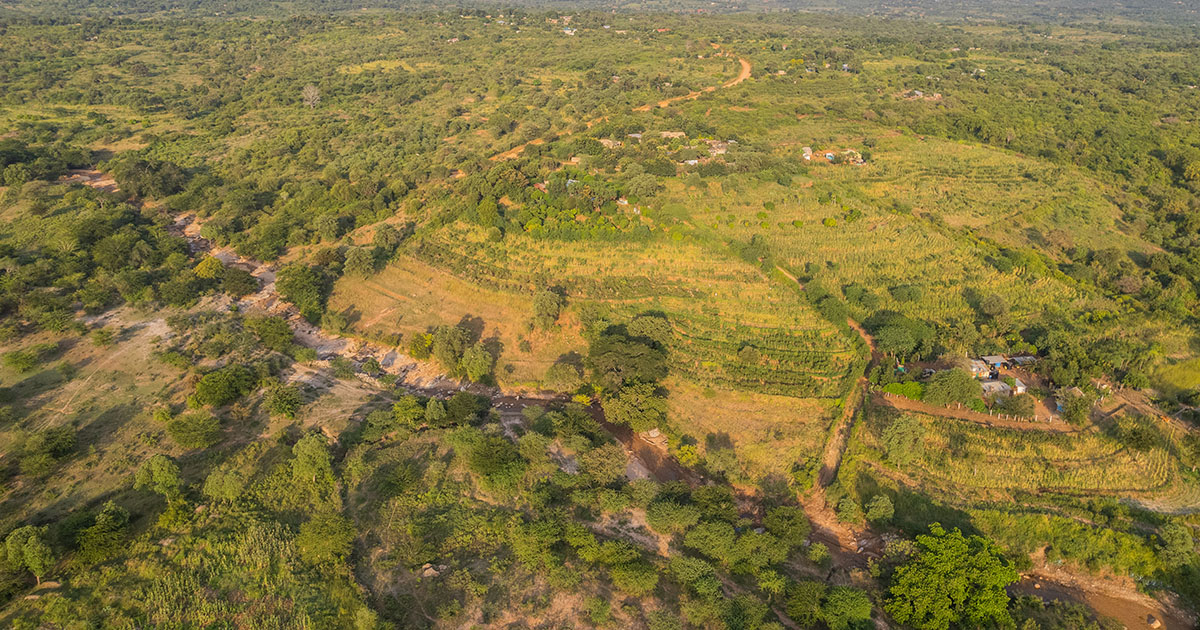
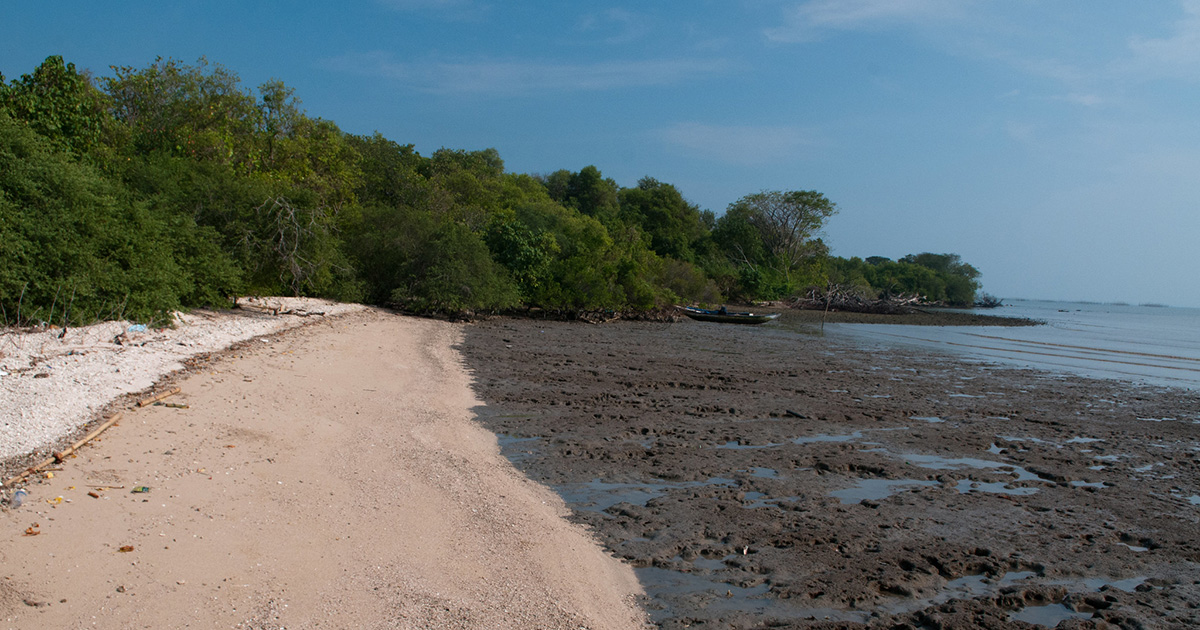




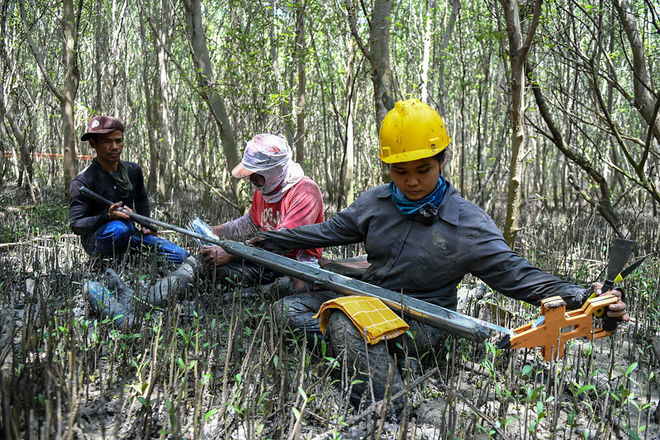
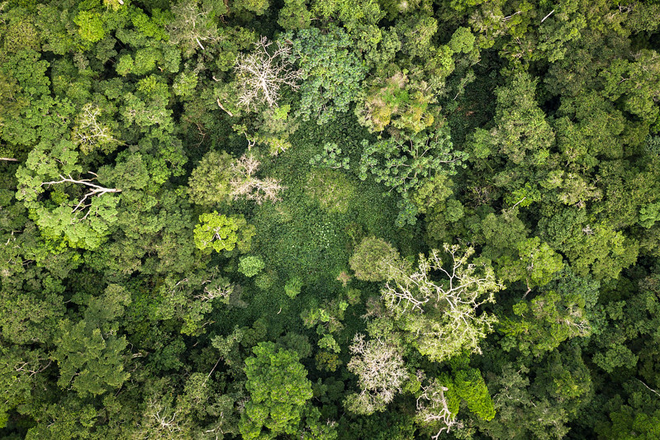



Forests cover approximately 31% of Earth’s terrestrial surface and harbor 80% of terrestrial biodiversity. Defined by FAO as land areas greater than 0.5 hectares with trees over 5 meters and canopy cover above 10%, forests range from old‑growth ecosystems to managed stands. Around 4.17 billion people—54% of the global population—live within 5 km of a forest, with most residing in low‑ and middle‑income countries. Forests provide essential goods and services, including food, fibre, microclimate regulation, pest control, and livelihoods for rural and forest‑dwelling communities. Globally, six billion people regularly use non‑timber forest products. Beyond local benefits, forests moderate climate through carbon and water cycles, reduce hazards, and offer socio‑cultural and recreational value. Reforestation and afforestation are central to climate mitigation, with 28 countries relying on forest conservation and sustainable management to enhance carbon sequestration. Forests also generate spillover benefits for adjacent and distant landscapes, underscoring their critical role in sustaining ecological and human well‑being.
This work is licensed under CC-BY 4.0
Download:

This work is licensed under CC-BY 4.0
Exporter la citation:
RIS (.ris)
TI  - Introduction
AU  - Allen, C.R.
AU  - Akamani, K.
AU  - Carmenta, R.
AU  - Das, S.
AU  - Delgado-Serrano, M.M.
AU  - Dhyani, Shalini
AU  - Djenontin, I.N.S.
AU  - Ferreira, J.
AU  - Larson, A.M.
AU  - McGinley, K.
AU  - Nepal, M.
AB  - Forests cover approximately 31% of Earth’s terrestrial surface and harbor 80% of terrestrial biodiversity. Defined by FAO as land areas greater than 0.5 hectares with trees over 5 meters and canopy cover above 10%, forests range from old‑growth ecosystems to managed stands. Around 4.17 billion people—54% of the global population—live within 5 km of a forest, with most residing in low‑ and middle‑income countries. Forests provide essential goods and services, including food, fibre, microclimate regulation, pest control, and livelihoods for rural and forest‑dwelling communities. Globally, six billion people regularly use non‑timber forest products. Beyond local benefits, forests moderate climate through carbon and water cycles, reduce hazards, and offer socio‑cultural and recreational value. Reforestation and afforestation are central to climate mitigation, with 28 countries relying on forest conservation and sustainable management to enhance carbon sequestration. Forests also generate spillover benefits for adjacent and distant landscapes, underscoring their critical role in sustaining ecological and human well‑being.
PY  - 2025
PB  - International Union of Forest Research Organizations (IUFRO)
PP  - Vienna, Austria
UR  - https://www.cifor-icraf.org/knowledge/publication/46143/
KW  - afforestation, biodiversity, carbon sequestration, ecosystem services, forest cover, forest management, livelihoods, nontimber forest products, reforestation, regulations, rural communities
ER  -
Endnote (.ciw)
%T Introduction
%A Allen, C.R.
%A Akamani, K.
%A Carmenta, R.
%A Das, S.
%A Delgado-Serrano, M.M.
%A Dhyani, Shalini
%A Djenontin, I.N.S.
%A Ferreira, J.
%A Larson, A.M.
%A McGinley, K.
%A Nepal, M.
%D 2025
%I International Union of Forest Research Organizations (IUFRO)
%C Vienna, Austria
%U https://www.cifor-icraf.org/knowledge/publication/46143/
%X Forests cover approximately 31% of Earth’s terrestrial surface and harbor 80% of terrestrial biodiversity. Defined by FAO as land areas greater than 0.5 hectares with trees over 5 meters and canopy cover above 10%, forests range from old‑growth ecosystems to managed stands. Around 4.17 billion people—54% of the global population—live within 5 km of a forest, with most residing in low‑ and middle‑income countries. Forests provide essential goods and services, including food, fibre, microclimate regulation, pest control, and livelihoods for rural and forest‑dwelling communities. Globally, six billion people regularly use non‑timber forest products. Beyond local benefits, forests moderate climate through carbon and water cycles, reduce hazards, and offer socio‑cultural and recreational value. Reforestation and afforestation are central to climate mitigation, with 28 countries relying on forest conservation and sustainable management to enhance carbon sequestration. Forests also generate spillover benefits for adjacent and distant landscapes, underscoring their critical role in sustaining ecological and human well‑being.
%K afforestation
%K biodiversity
%K carbon sequestration
%K ecosystem services
%K forest cover
%K forest management
%K livelihoods
%K nontimber forest products
%K reforestation
%K regulations
%K rural communities
Année de publication
2025
ISSN
1016-3263
ISBN
978-3-903345-36-2
Auteurs
Allen, C.R.; Akamani, K.; Carmenta, R.; Das, S.; Delgado-Serrano, M.M.; Dhyani, Shalini; Djenontin, I.N.S.; Ferreira, J.; Larson, A.M.; McGinley, K.; Nepal, M.
Langue
English
Mots clés
afforestation, biodiversity, carbon sequestration, ecosystem services, forest cover, forest management, livelihoods, nontimber forest products, reforestation, regulations, rural communities