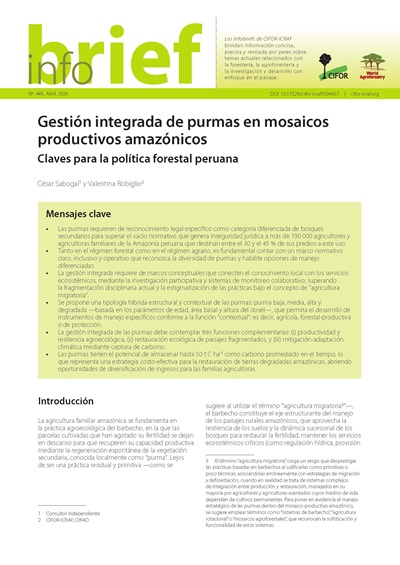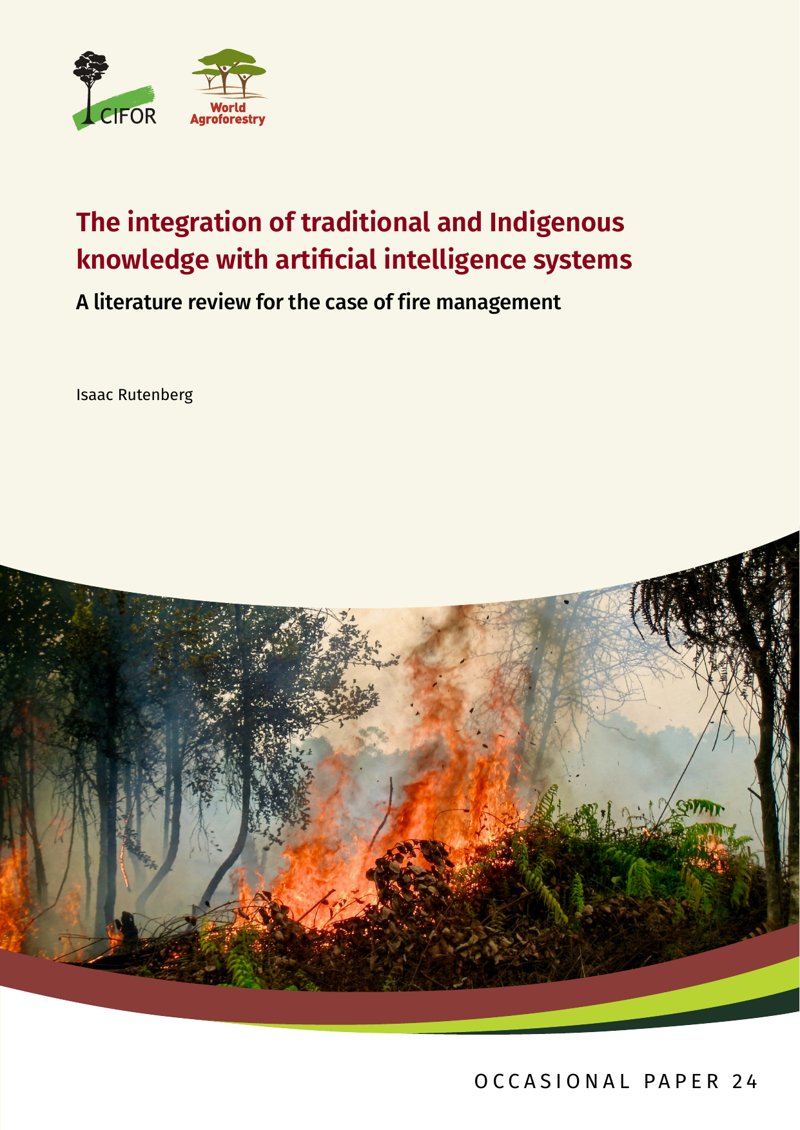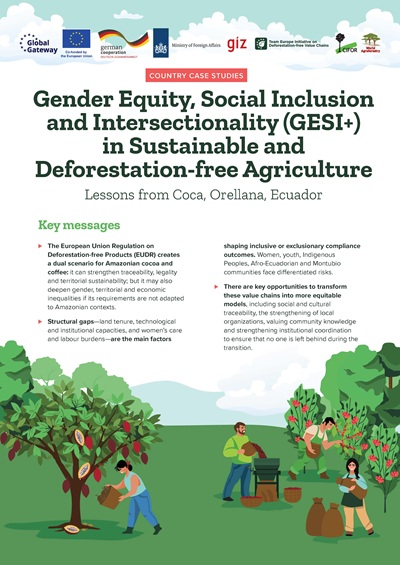








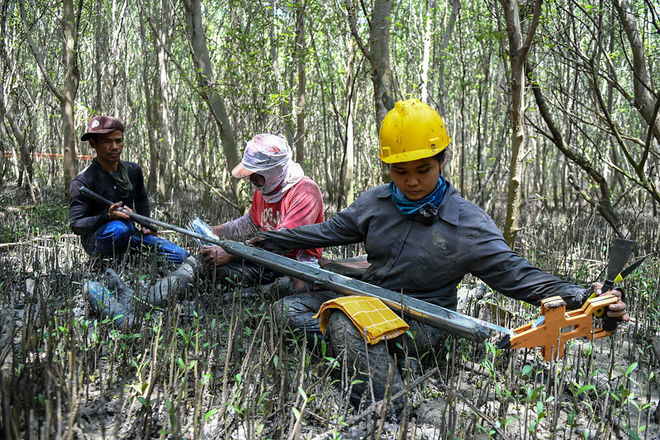




Governance and institutions shape relations among people and between people and ecosystems, and are thus central considerations in the resilience of forest social-ecological systems (SES). This chapter reviews key concepts and models of governance and institutions that shape ecological, social, and economic resilience. Governance models range from centralised to decentralised and multilevel, polycentric systems, although in practice, many of these still maintain or struggle with enduring centralising tendencies. This analysis raises questions about who benefits and who loses, and how ‘desired’ outcomes may vary by actors and across scales, and hence, how governance can enhance resilience as well as foster transformation towards greater equity and well-being. The chapter also outlines critical governance and institutional attributes and principles, as well as underlying drivers or determinants that can undermine or support forest SES resilience, emphasising that these relationships are not currently systematically understood. To contextualise evidence of how governance systems and approaches have shaped forest SES resilience, the chapter briefly traces the history of forest governance and institutions before turning to contemporary trends, noting that current manifestations cannot be separated from colonial and post-colonial legacies. Finally, drawing from a wide variety of case studies, the chapter offers tangible examples illustrating the presence and effects of the institutional attributes, principles, and underlying drivers, ultimately emphasizing that these governance characteristics may be observed alone or in combination, and can either support or undermine desired SES resilience or transformation. Recognising how resilience is complex, multi-dimensional, and dynamic, and the active role of governance and institutions, the chapter concludes with a few recommendations on the need for corrective, inclusive, equitable, and adaptive multi-level and multi-centre governance, in which past and future inequities and injustices are adequately addressed for socially-just forest SES resilience.
This work is licensed under CC-BY 4.0
Download:

This work is licensed under CC-BY 4.0
Exporter la citation:
RIS (.ris)
TI  - Analysis of Forest Governance and Institutions for Social and Economic Resilience
AU  - Djenontin, I.N.S.
AU  - Larson, A.M.
AU  - Delgado-Serrano, M.M.
AU  - Dhyani, Shalini
AU  - McGinley, K.
AU  - Pulhin, J.M.
AU  - Carmenta, R.
AU  - Akamani, K.
AU  - Nepal, M.
AU  - Das, S.
AB  - Governance and institutions shape relations among people and between people and ecosystems, and are thus central considerations in the resilience of forest social-ecological systems (SES). This chapter reviews key concepts and models of governance and institutions that shape ecological, social, and economic resilience. Governance models range from centralised to decentralised and multilevel, polycentric systems, although in practice, many of these still maintain or struggle with enduring centralising tendencies. This analysis raises questions about who benefits and who loses, and how ‘desired’ outcomes may vary by actors and across scales, and hence, how governance can enhance resilience as well as foster transformation towards greater equity and well-being. The chapter also outlines critical governance and institutional attributes and principles, as well as underlying drivers or determinants that can undermine or support forest SES resilience, emphasising that these relationships are not currently systematically understood. To contextualise evidence of how governance systems and approaches have shaped forest SES resilience, the chapter briefly traces the history of forest governance and institutions before turning to contemporary trends, noting that current manifestations cannot be separated from colonial and post-colonial legacies. Finally, drawing from a wide variety of case studies, the chapter offers tangible examples illustrating the presence and effects of the institutional attributes, principles, and underlying drivers, ultimately emphasizing that these governance characteristics may be observed alone or in combination, and can either support or undermine desired SES resilience or transformation. Recognising how resilience is complex, multi-dimensional, and dynamic, and the active role of governance and institutions, the chapter concludes with a few recommendations on the need for corrective, inclusive, equitable, and adaptive multi-level and multi-centre governance, in which past and future inequities and injustices are adequately addressed for socially-just forest SES resilience.
PY  - 2025
PB  - International Union of Forest Research Organizations (IUFRO)
PP  - Vienna, Austria
UR  - https://www.cifor-icraf.org/knowledge/publication/46145/
KW  - case studies, colonial legacies, decentralization, ecosystem services, equity, governance, institutions, resilience, social aspects
ER  -
Endnote (.ciw)
%T Analysis of Forest Governance and Institutions for Social and Economic Resilience
%A Djenontin, I.N.S.
%A Larson, A.M.
%A Delgado-Serrano, M.M.
%A Dhyani, Shalini
%A McGinley, K.
%A Pulhin, J.M.
%A Carmenta, R.
%A Akamani, K.
%A Nepal, M.
%A Das, S.
%D 2025
%I International Union of Forest Research Organizations (IUFRO)
%C Vienna, Austria
%U https://www.cifor-icraf.org/knowledge/publication/46145/
%X Governance and institutions shape relations among people and between people and ecosystems, and are thus central considerations in the resilience of forest social-ecological systems (SES). This chapter reviews key concepts and models of governance and institutions that shape ecological, social, and economic resilience. Governance models range from centralised to decentralised and multilevel, polycentric systems, although in practice, many of these still maintain or struggle with enduring centralising tendencies. This analysis raises questions about who benefits and who loses, and how ‘desired’ outcomes may vary by actors and across scales, and hence, how governance can enhance resilience as well as foster transformation towards greater equity and well-being. The chapter also outlines critical governance and institutional attributes and principles, as well as underlying drivers or determinants that can undermine or support forest SES resilience, emphasising that these relationships are not currently systematically understood. To contextualise evidence of how governance systems and approaches have shaped forest SES resilience, the chapter briefly traces the history of forest governance and institutions before turning to contemporary trends, noting that current manifestations cannot be separated from colonial and post-colonial legacies. Finally, drawing from a wide variety of case studies, the chapter offers tangible examples illustrating the presence and effects of the institutional attributes, principles, and underlying drivers, ultimately emphasizing that these governance characteristics may be observed alone or in combination, and can either support or undermine desired SES resilience or transformation. Recognising how resilience is complex, multi-dimensional, and dynamic, and the active role of governance and institutions, the chapter concludes with a few recommendations on the need for corrective, inclusive, equitable, and adaptive multi-level and multi-centre governance, in which past and future inequities and injustices are adequately addressed for socially-just forest SES resilience.
%K case studies
%K colonial legacies
%K decentralization
%K ecosystem services
%K equity
%K governance
%K institutions
%K resilience
%K social aspects
Année de publication
2025
ISSN
1016-3263
ISBN
978-3-903345-36-2
Auteurs
Djenontin, I.N.S.; Larson, A.M.; Delgado-Serrano, M.M.; Dhyani, Shalini; McGinley, K.; Pulhin, J.M.; Carmenta, R.; Akamani, K.; Nepal, M.; Das, S.
Langue
English
Mots clés
case studies, colonial legacies, decentralization, ecosystem services, equity, governance, institutions, resilience, social aspects