

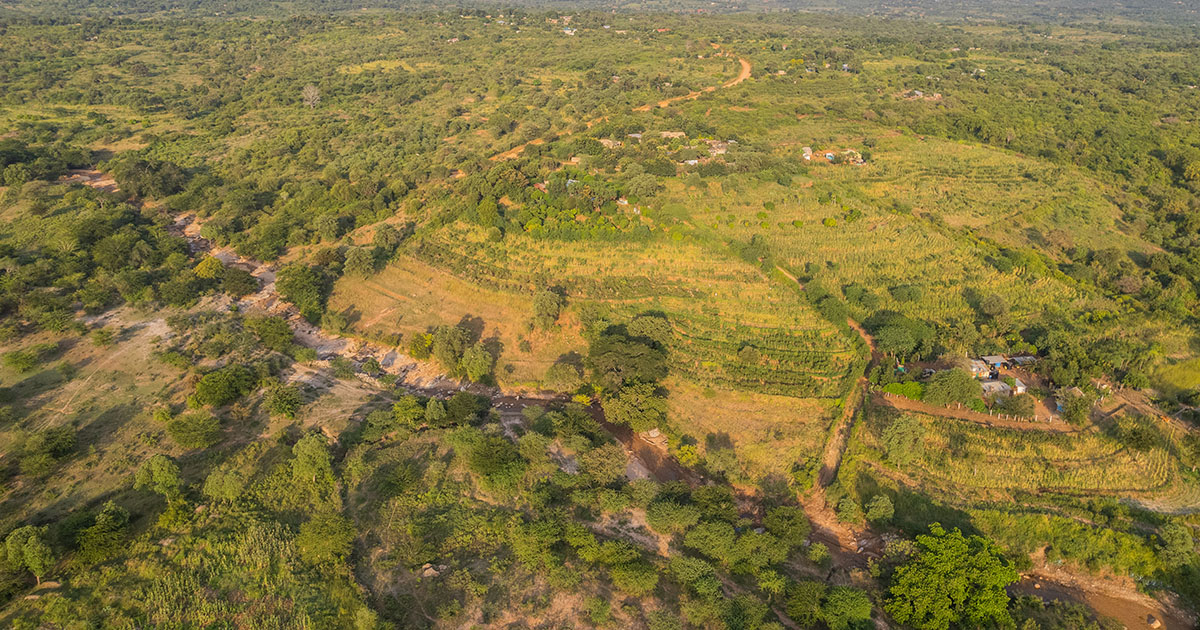
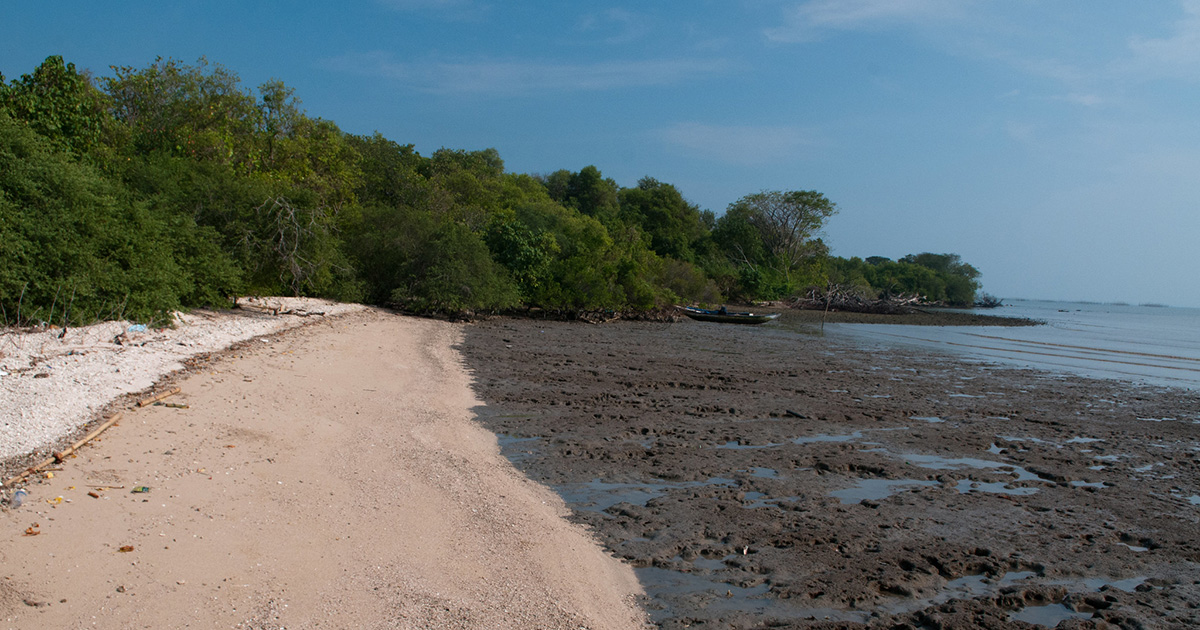





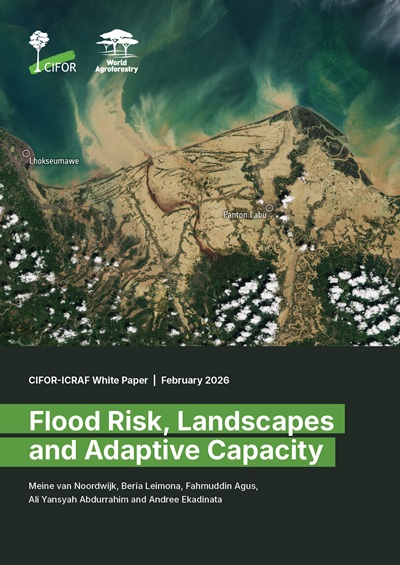


This white paper begins by recognizing that floods are more than a hydrological phenomenon of rising water levels. Although public discourse often defaults to simplified explanations, such as ‘deforestation causes floods’, the true drivers are multifactorial and deeply context dependent. The social and economic impacts of floods are shaped not only by the physical event itself but by how societies interact with landscapes and how governance systems interpret, prepare for, and respond to these events. The purpose of this paper is to move beyond simplistic narratives that treat the loss of trees and forest cover as the main focus for action and to encourage systems diagnostics that identify the roles of hazard, exposure, and vulnerability in shaping flood outcomes.
This work is licensed under CC-BY 4.0

This work is licensed under CC-BY 4.0
DOI:
https://doi.org/10.5716/cifor-icraf/PP.46337Score Altmetric:
Dimensions Nombre de citations:
Exporter la citation:
RIS (.ris)
TI  - Flood risk, landscapes and adaptive capacity
AU  - van Noordwijk, M.
AU  - Leimona, B.
AU  - Agus, F.
AU  - Abdurrahim, A.Y.
AU  - Ekadinata, A.
AB  - This white paper begins by recognizing that floods are more than a hydrological phenomenon of rising water levels. Although public discourse often defaults to simplified explanations, such as ‘deforestation causes floods’, the true drivers are multifactorial and deeply context dependent. The social and economic impacts of floods are shaped not only by the physical event itself but by how societies interact with landscapes and how governance systems interpret, prepare for, and respond to these events. The purpose of this paper is to move beyond simplistic narratives that treat the loss of trees and forest cover as the main focus for action and to encourage systems diagnostics that identify the roles of hazard, exposure, and vulnerability in shaping flood outcomes.
PY  - 2026
PB  - CIFOR-ICRAF
PP  - Bogor, Indonesia and Nairobi, Kenya
UR  - https://www.cifor-icraf.org/knowledge/publication/46337/
DO  - https://doi.org/10.5716/cifor-icraf/PP.46337
KW  - climate change, cyclone, disaster, environmental impact, flood, forests, governance, landscape, natural resources management, risk reduction, systems analysis
ER  -
Endnote (.ciw)
%T Flood risk, landscapes and adaptive capacity
%A van Noordwijk, M.
%A Leimona, B.
%A Agus, F.
%A Abdurrahim, A.Y.
%A Ekadinata, A.
%D 2026
%I CIFOR-ICRAF
%C Bogor, Indonesia and Nairobi, Kenya
%U https://www.cifor-icraf.org/knowledge/publication/46337/
%R https://doi.org/10.5716/cifor-icraf/PP.46337
%X This white paper begins by recognizing that floods are more than a hydrological phenomenon of rising water levels. Although public discourse often defaults to simplified explanations, such as ‘deforestation causes floods’, the true drivers are multifactorial and deeply context dependent. The social and economic impacts of floods are shaped not only by the physical event itself but by how societies interact with landscapes and how governance systems interpret, prepare for, and respond to these events. The purpose of this paper is to move beyond simplistic narratives that treat the loss of trees and forest cover as the main focus for action and to encourage systems diagnostics that identify the roles of hazard, exposure, and vulnerability in shaping flood outcomes.
%K climate change
%K cyclone
%K disaster
%K environmental impact
%K flood
%K forests
%K governance
%K landscape
%K natural resources management
%K risk reduction
%K systems analysis
Publisher
CIFOR-ICRAF: Bogor, Indonesia and Nairobi, Kenya
Année de publication
2026
Auteurs
van Noordwijk, M.; Leimona, B.; Agus, F.; Abdurrahim, A.Y.; Ekadinata, A.
Langue
English
Mots clés
climate change, cyclone, disaster, environmental impact, flood, forests, governance, landscape, natural resources management, risk reduction, systems analysis
Géographique
Indonesia