
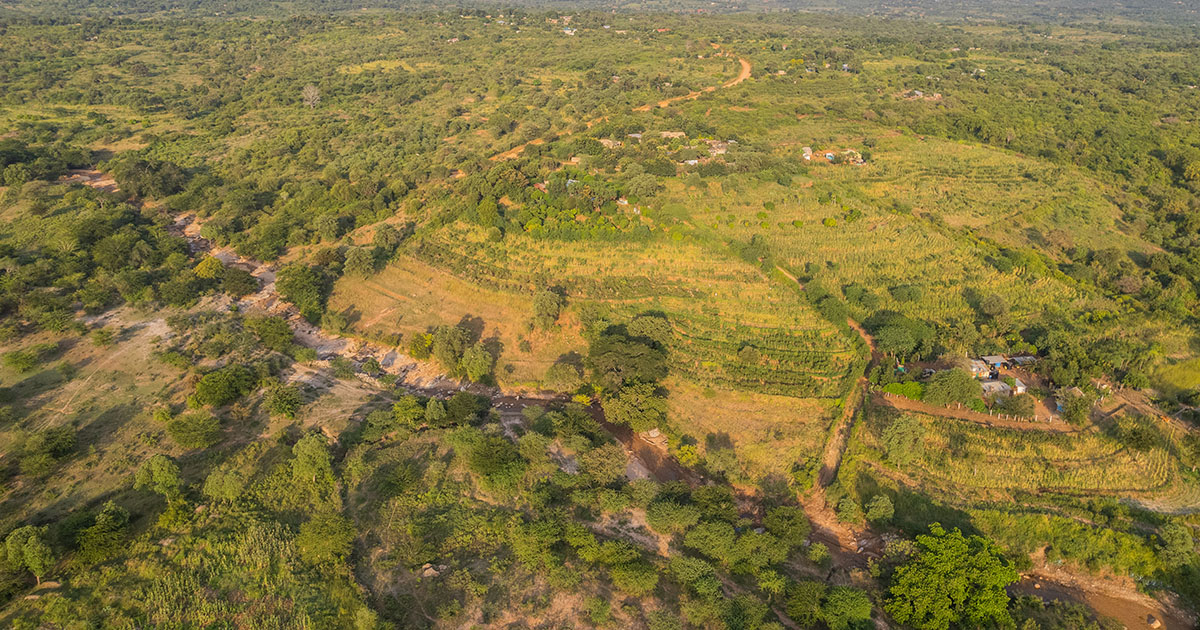
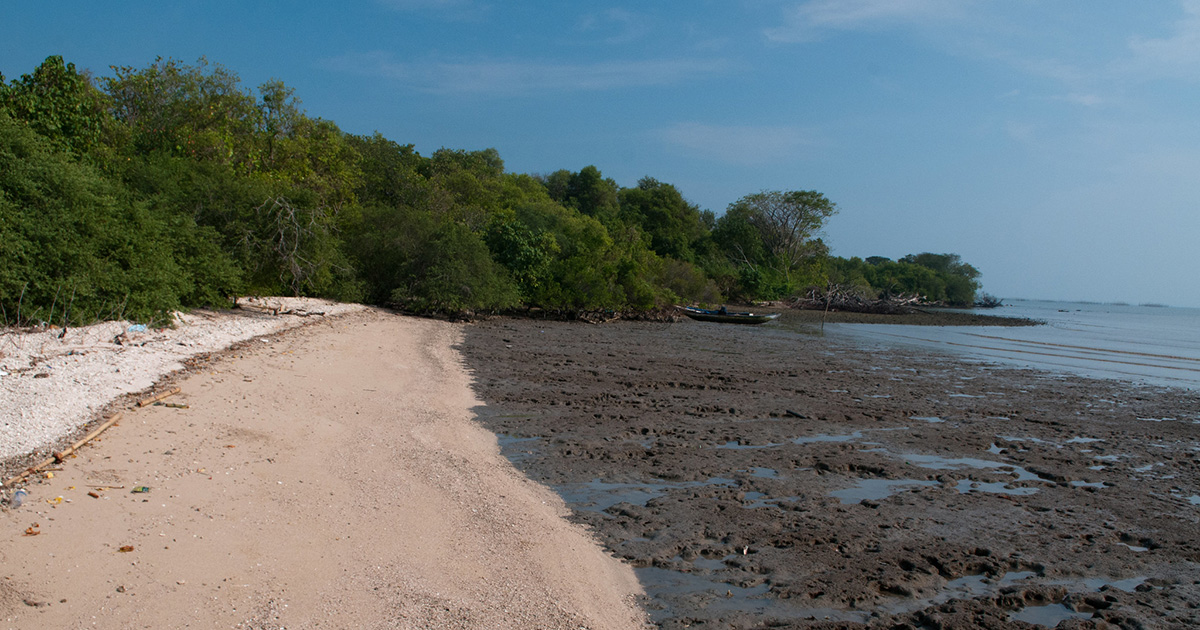






Landscape approaches mobilize stakeholders across sectors and scales to negotiate development–conservation trade-offs and land-use allocation. Building on the concept of earth system justice, we examine how efforts to operationalize such approaches in Ghana, Zambia and Indonesia advance landscape justice. We observed contributions to procedural, recognitional and intergenerational justice, while interspecies justice remains overlooked. Yet, power asymmetries, exclusionary practices and institutional constraints hinder progress towards intragenerational and substantive—distributive, corrective, restorative and transformative justice. In contexts lacking commitment to transformative change, trade-offs are inevitable. Pursuing incremental change rather than ‘perfect’ justice may represent a second-best but more realistic pathway towards just landscape governance.
This work is licensed under CC-BY 4.0

This work is licensed under CC-BY 4.0
DOI:
https://doi.org/10.1177/14649934251413867Score Altmetric:
Dimensions Nombre de citations:
Exporter la citation:
RIS (.ris)
TI  - Integrated Landscape Approaches: A Pathway Towards Just Sustainable Development?
AU  - Ros-Tonen, M.A.F.
AU  - Reed, J.
AU  - Adeyanju, S.
AU  - Anandi, A.M.
AU  - Bayala, E.R.C.
AU  - Djoudi, H.
AU  - Ickowitz, A.
AU  - Laumonier, Y.
AU  - Moombe, K.B.
AU  - Moeliono, M.
AU  - O’Connor, A.
AU  - Siangulube, F.
AU  - Yanou, M.P.
AU  - Yuliani, E.L.
AU  - Zida, M.
AU  - Sunderland, T.C.H.
AB  - Landscape approaches mobilize stakeholders across sectors and scales to negotiate development–conservation trade-offs and land-use allocation. Building on the concept of earth system justice, we examine how efforts to operationalize such approaches in Ghana, Zambia and Indonesia advance landscape justice. We observed contributions to procedural, recognitional and intergenerational justice, while interspecies justice remains overlooked. Yet, power asymmetries, exclusionary practices and institutional constraints hinder progress towards intragenerational and substantive—distributive, corrective, restorative and transformative justice. In contexts lacking commitment to transformative change, trade-offs are inevitable. Pursuing incremental change rather than ‘perfect’ justice may represent a second-best but more realistic pathway towards just landscape governance.
PY  - 2026
UR  - https://www.cifor-icraf.org/knowledge/publication/46341/
DO  - https://doi.org/10.1177/14649934251413867
KW  - conservation, governance, justice, landscape approaches, power, sustainable development
ER  -
Endnote (.ciw)
%T Integrated Landscape Approaches: A Pathway Towards Just Sustainable Development?
%A Ros-Tonen, M.A.F.
%A Reed, J.
%A Adeyanju, S.
%A Anandi, A.M.
%A Bayala, E.R.C.
%A Djoudi, H.
%A Ickowitz, A.
%A Laumonier, Y.
%A Moombe, K.B.
%A Moeliono, M.
%A O’Connor, A.
%A Siangulube, F.
%A Yanou, M.P.
%A Yuliani, E.L.
%A Zida, M.
%A Sunderland, T.C.H.
%D 2026
%U https://www.cifor-icraf.org/knowledge/publication/46341/
%R https://doi.org/10.1177/14649934251413867
%X Landscape approaches mobilize stakeholders across sectors and scales to negotiate development–conservation trade-offs and land-use allocation. Building on the concept of earth system justice, we examine how efforts to operationalize such approaches in Ghana, Zambia and Indonesia advance landscape justice. We observed contributions to procedural, recognitional and intergenerational justice, while interspecies justice remains overlooked. Yet, power asymmetries, exclusionary practices and institutional constraints hinder progress towards intragenerational and substantive—distributive, corrective, restorative and transformative justice. In contexts lacking commitment to transformative change, trade-offs are inevitable. Pursuing incremental change rather than ‘perfect’ justice may represent a second-best but more realistic pathway towards just landscape governance.
%K conservation
%K governance
%K justice
%K landscape approaches
%K power
%K sustainable development
Année de publication
2026
ISSN
1464-9934
Auteurs
Ros-Tonen, M.A.F.; Reed, J.; Adeyanju, S.; Anandi, A.M.; Bayala, E.R.C.; Djoudi, H.; Ickowitz, A.; Laumonier, Y.; Moombe, K.B.; Moeliono, M.; O’Connor, A.; Siangulube, F.; Yanou, M.P.; Yuliani, E.L.; Zida, M.; Sunderland, T.C.H.
Langue
English
Mots clés
conservation, governance, justice, landscape approaches, power, sustainable development
Source
Progress in Development Studies. :
Géographique
Ghana, Zambia, Indonesia