

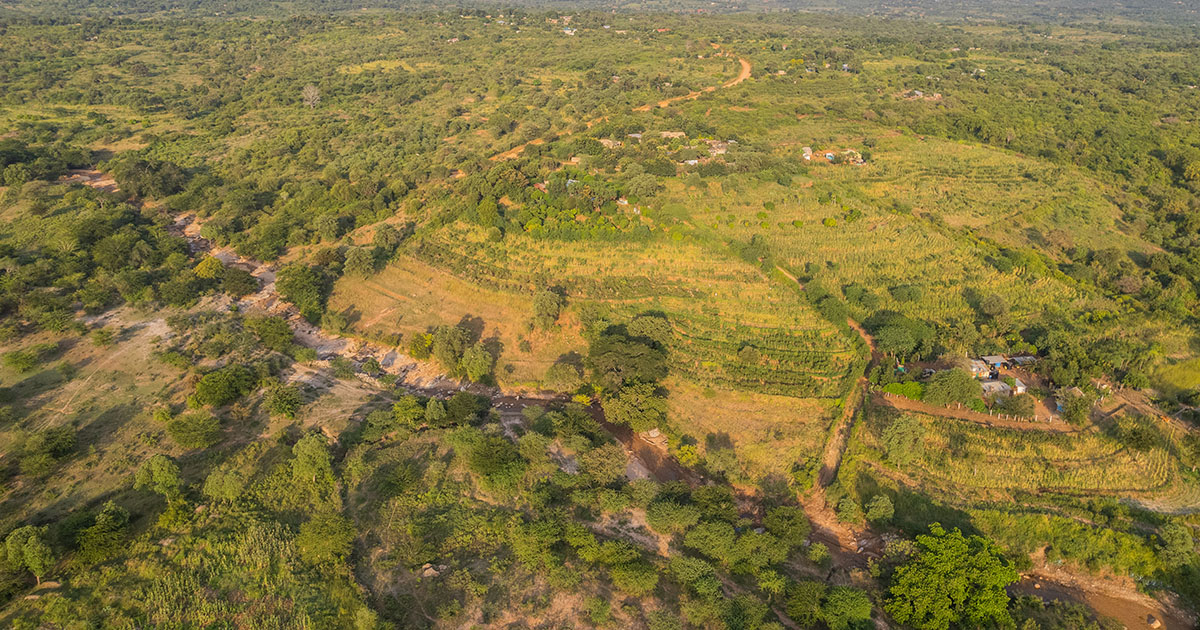






Globalization and environmental change are reshaping infectious disease dynamics, including reverse zoonotic transmission from humans to wildlife. We assessed hepatitis B virus (HBV) infection in wild New World primates from two Brazilian Amazon regions: an anthropogenically impacted area in southwestern Amazonia (Rondonia and Mato Grosso states) and a remote, minimally impacted area along the upper Japurá River (Amazonas state). Blood or liver samples from 88 primates representing 28 species were examined for HBV. HBV was detected in 17 of 49 primates (34.7%) from disturbed areas but in none of the 39 primates from the remote site. Human population density significantly predicted infection, and viral genotypes matched locally circulating human HBV strains, supporting human-to-primate spillover driven by deforestation and encroachment.
This work is licensed under CC-BY 4.0

This work is licensed under CC-BY 4.0
DOI:
https://doi.org/10.1007/s10393-026-01787-5Score Altmetric:
Dimensions Nombre de citations:
Exporter la citation:
RIS (.ris)
TI  - First Report of Human Hepatitis B Virus (HBV) in Wild Neotropical Primates
AU  - Boubli, J.P.
AU  - El Bizri, H.R.
AU  - Botelho-Souza, L.F.
AU  - Gubili, C.
AU  - Martin, S.J.
AU  - da S. Araújo, M.
AU  - Burch, T.C.
AU  - Messias, M.R.
AU  - dos Santos, A.d.O.
AU  - Ozaki, L.S.
AU  - Pereira, A.V.C.
AU  - Katsuragawa, T.H.
AU  - Passos-Silva, A.M.
AU  - Gil, L.H.S.
AU  - Farias, I.P.
AU  - Salcedo, J.M.V.
AU  - Vieira, D.
AB  - Globalization and environmental change are reshaping infectious disease dynamics, including reverse zoonotic transmission from humans to wildlife. We assessed hepatitis B virus (HBV) infection in wild New World primates from two Brazilian Amazon regions: an anthropogenically impacted area in southwestern Amazonia (Rondonia and Mato Grosso states) and a remote, minimally impacted area along the upper Japurá River (Amazonas state). Blood or liver samples from 88 primates representing 28 species were examined for HBV. HBV was detected in 17 of 49 primates (34.7%) from disturbed areas but in none of the 39 primates from the remote site. Human population density significantly predicted infection, and viral genotypes matched locally circulating human HBV strains, supporting human-to-primate spillover driven by deforestation and encroachment.
PY  - 2026
UR  - https://www.cifor-icraf.org/knowledge/publication/46545/
DO  - https://doi.org/10.1007/s10393-026-01787-5
KW  - animal health, deforestation, hepatitis b, human interaction, primates, reverse zoonosis, spillover, virus, wildlife, zoonoses
ER  -
Endnote (.ciw)
%T First Report of Human Hepatitis B Virus (HBV) in Wild Neotropical Primates
%A Boubli, J.P.
%A El Bizri, H.R.
%A Botelho-Souza, L.F.
%A Gubili, C.
%A Martin, S.J.
%A da S. Araújo, M.
%A Burch, T.C.
%A Messias, M.R.
%A dos Santos, A.d.O.
%A Ozaki, L.S.
%A Pereira, A.V.C.
%A Katsuragawa, T.H.
%A Passos-Silva, A.M.
%A Gil, L.H.S.
%A Farias, I.P.
%A Salcedo, J.M.V.
%A Vieira, D.
%D 2026
%U https://www.cifor-icraf.org/knowledge/publication/46545/
%R https://doi.org/10.1007/s10393-026-01787-5
%X Globalization and environmental change are reshaping infectious disease dynamics, including reverse zoonotic transmission from humans to wildlife. We assessed hepatitis B virus (HBV) infection in wild New World primates from two Brazilian Amazon regions: an anthropogenically impacted area in southwestern Amazonia (Rondonia and Mato Grosso states) and a remote, minimally impacted area along the upper Japurá River (Amazonas state). Blood or liver samples from 88 primates representing 28 species were examined for HBV. HBV was detected in 17 of 49 primates (34.7%) from disturbed areas but in none of the 39 primates from the remote site. Human population density significantly predicted infection, and viral genotypes matched locally circulating human HBV strains, supporting human-to-primate spillover driven by deforestation and encroachment.
%K animal health
%K deforestation
%K hepatitis b
%K human interaction
%K primates
%K reverse zoonosis
%K spillover
%K virus
%K wildlife
%K zoonoses
Année de publication
2026
ISSN
1612-9202
Auteurs
Boubli, J.P.; El Bizri, H.R.; Botelho-Souza, L.F.; Gubili, C.; Martin, S.J.; da S. Araújo, M.; Burch, T.C.; Messias, M.R.; dos Santos, A.d.O.; Ozaki, L.S.; Pereira, A.V.C.; Katsuragawa, T.H.; Passos-Silva, A.M.; Gil, L.H.S.; Farias, I.P.; Salcedo, J.M.V.; Vieira, D.
Langue
English
Mots clés
animal health, deforestation, hepatitis b, human interaction, primates, reverse zoonosis, spillover, virus, wildlife, zoonoses
Source
EcoHealth. :
Géographique
Brazil