

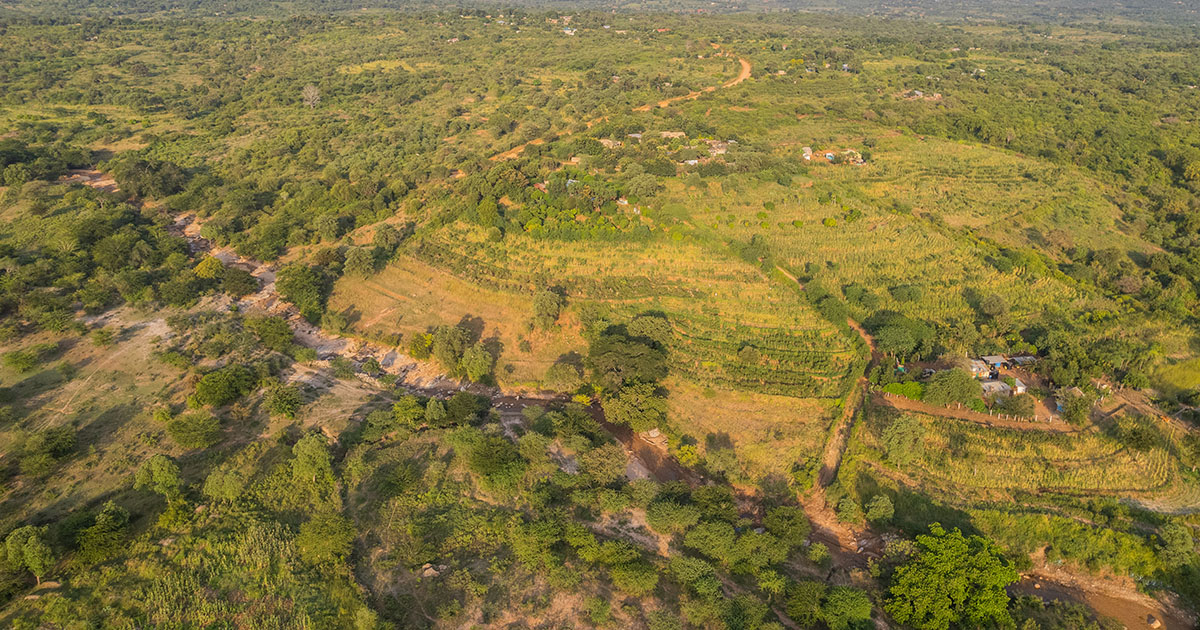









The new Brazilian Forest Code obliges farmers to restore degraded lands on conservation set-asides required on all rural properties, known as Permanent Preservation Areas and Legal Reserves. While farmers can do so through agroforestry systems (AFS) to improve their livelihoods and offset the costs of restoration, these areas must also maintain basic ecological functions. How this can be done in practice, however, stills need to be regulated at the state level, but there are few scientific studies in Brazil on the costs and benefits of restoration through AFS. These knowledge and policy gaps have left ample room for interpretation and thus discouraged technicians from recommending — and policymakers from regulating — AFS for restoration. Aiming to bridge these gaps, this study draws from a comprehensive literature review, expert knowledge, stakeholder participation and analyses of agroforestry-based restoration efforts in the field. First, we discuss the social and ecological benefits of AFS as well as key constraints to upscaling agroforestry-based restoration. Focusing on different biophysical and social contexts within the Brazilian Cerrado and Caatinga biomes, we conclude that AFS can provide win–win solutions for reconciling livelihoods needs with conservation goals and propose practical options to do so, which vary according to farmer objectives, resource constraints and opportunities. In order to guide implementation of these agroforestry options, we propose design principles and criteria as well as key species and management practices most suited to different contexts and farmer objectives.
This work is licensed under CC-BY 4.0

This work is licensed under CC-BY 4.0
DOI:
https://doi.org/10.1017/S0014479717000138Score Altmetric:
Dimensions Nombre de citations:
Exporter la citation:
RIS (.ris)
TI  - Restoration through agroforestry: options for reconciling livelihoods with conservation in the cerrado and caatinga biomes in Brazil
AU  - Miccolis, A.
AU  - Peneireiro, F.
AU  - Vieira, D.
AU  - Marques, H.
AU  - Hoffman, M.R.
AB  - The new Brazilian Forest Code obliges farmers to restore degraded lands on conservation set-asides required on all rural properties, known as Permanent Preservation Areas and Legal Reserves. While farmers can do so through agroforestry systems (AFS) to improve their livelihoods and offset the costs of restoration, these areas must also maintain basic ecological functions. How this can be done in practice, however, stills need to be regulated at the state level, but there are few scientific studies in Brazil on the costs and benefits of restoration through AFS. These knowledge and policy gaps have left ample room for interpretation and thus discouraged technicians from recommending — and policymakers from regulating — AFS for restoration. Aiming to bridge these gaps, this study draws from a comprehensive literature review, expert knowledge, stakeholder participation and analyses of agroforestry-based restoration efforts in the field. First, we discuss the social and ecological benefits of AFS as well as key constraints to upscaling agroforestry-based restoration. Focusing on different biophysical and social contexts within the Brazilian Cerrado and Caatinga biomes, we conclude that AFS can provide win–win solutions for reconciling livelihoods needs with conservation goals and propose practical options to do so, which vary according to farmer objectives, resource constraints and opportunities. In order to guide implementation of these agroforestry options, we propose design principles and criteria as well as key species and management practices most suited to different contexts and farmer objectives.
PY  - 2019
UR  - https://www.cifor-icraf.org/knowledge/publication/11017/
DO  - https://doi.org/10.1017/S0014479717000138
KW  - agroforestry, conservation, livelihoods
ER  -
Endnote (.ciw)
%T Restoration through agroforestry: options for reconciling livelihoods with conservation in the cerrado and caatinga biomes in Brazil
%A Miccolis, A.
%A Peneireiro, F.
%A Vieira, D.
%A Marques, H.
%A Hoffman, M.R.
%D 2019
%U https://www.cifor-icraf.org/knowledge/publication/11017/
%R https://doi.org/10.1017/S0014479717000138
%X The new Brazilian Forest Code obliges farmers to restore degraded lands on conservation set-asides required on all rural properties, known as Permanent Preservation Areas and Legal Reserves. While farmers can do so through agroforestry systems (AFS) to improve their livelihoods and offset the costs of restoration, these areas must also maintain basic ecological functions. How this can be done in practice, however, stills need to be regulated at the state level, but there are few scientific studies in Brazil on the costs and benefits of restoration through AFS. These knowledge and policy gaps have left ample room for interpretation and thus discouraged technicians from recommending — and policymakers from regulating — AFS for restoration. Aiming to bridge these gaps, this study draws from a comprehensive literature review, expert knowledge, stakeholder participation and analyses of agroforestry-based restoration efforts in the field. First, we discuss the social and ecological benefits of AFS as well as key constraints to upscaling agroforestry-based restoration. Focusing on different biophysical and social contexts within the Brazilian Cerrado and Caatinga biomes, we conclude that AFS can provide win–win solutions for reconciling livelihoods needs with conservation goals and propose practical options to do so, which vary according to farmer objectives, resource constraints and opportunities. In order to guide implementation of these agroforestry options, we propose design principles and criteria as well as key species and management practices most suited to different contexts and farmer objectives.
%K agroforestry
%K conservation
%K livelihoods
Année de publication
2019
ISSN
0014-4797
Auteurs
Miccolis, A.; Peneireiro, F.; Vieira, D.; Marques, H.; Hoffman, M.R.
Langue
English
Mots clés
agroforestry, conservation, livelihoods
Source
Experimental Agriculture. 55(S1): 208-225
Géographique
Brazil