

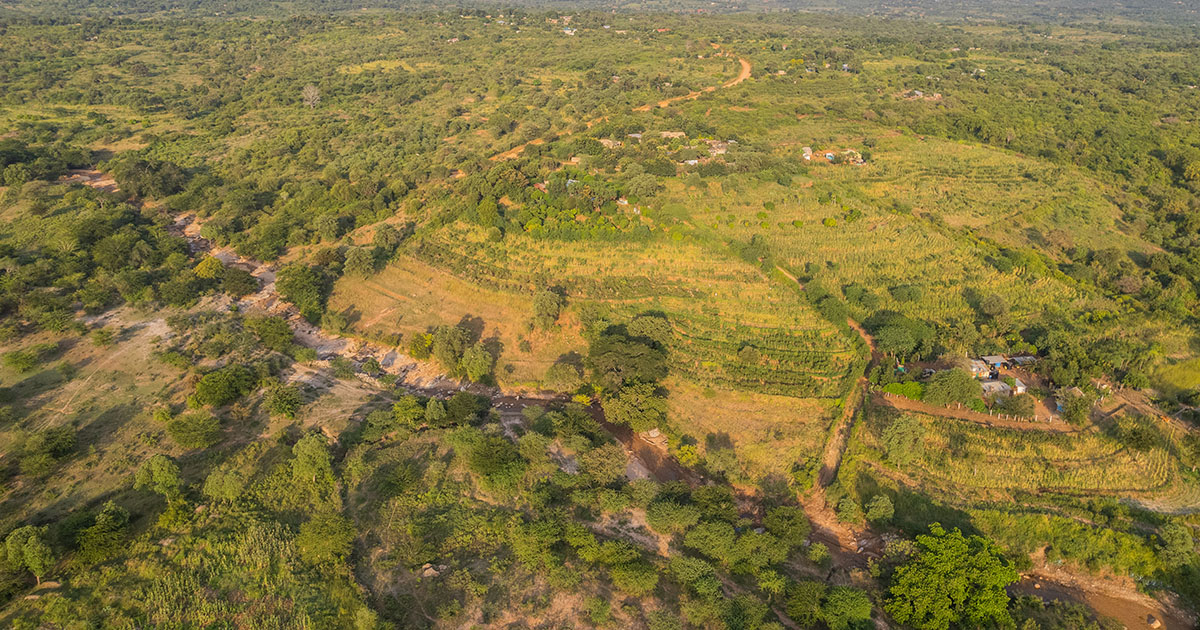





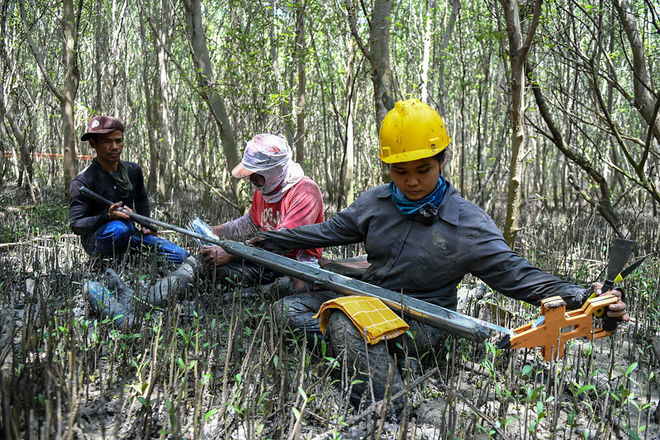



Forests are increasingly prominent in global policy discussions. Conservation, sustainable management, and restoration of forests are widely understood as necessary to reach climate and biodiversity goals. This attention to forests is vital. However, it risks overshadowing or, worse, undermining the livelihoods and well-being of the hundreds of millions of people worldwide who live in or near forests, especially Indigenous Peoples and marginalized groups. New international commitments to plant trees and halt and reverse deforestation and degradation are intensifying demands on forests and other lands. What are the implications of these shifts for the rights, livelihoods, and wellbeing of those living in forest and tree-based landscapes? What new thinking and evidence exists to help advance knowledge and policy on this topic? And what do current dynamics suggest for future research? The articles in this Special Issue on “Trends in Forest Livelihoods Research” respond to these questions. This introduction contextualizes current research at the forest-livelihoods nexus and provides an overview of the 18 articles compiled in this volume. We identify three key themes and two cross-cutting social sustainability concerns that emerge from this collected work. We conclude by highlighting implications for forest-related policy that better supports local livelihoods and broader sustainable development goals, and by identifying pressing research needs.

DOI:
https://doi.org/10.1016/j.forpol.2024.103337Score Altmetric:
Dimensions Nombre de citations:
Exporter la citation:
RIS (.ris)
TI  - Trends in forest livelihoods research – Taking stock in 2024
AU  - Djenontin, I.N.S.
AU  - Larson, A.M.
AU  - Miller, D.C.
AB  - Forests are increasingly prominent in global policy discussions. Conservation, sustainable management, and restoration of forests are widely understood as necessary to reach climate and biodiversity goals. This attention to forests is vital. However, it risks overshadowing or, worse, undermining the livelihoods and well-being of the hundreds of millions of people worldwide who live in or near forests, especially Indigenous Peoples and marginalized groups. New international commitments to plant trees and halt and reverse deforestation and degradation are intensifying demands on forests and other lands. What are the implications of these shifts for the rights, livelihoods, and wellbeing of those living in forest and tree-based landscapes? What new thinking and evidence exists to help advance knowledge and policy on this topic? And what do current dynamics suggest for future research? The articles in this Special Issue on “Trends in Forest Livelihoods Research” respond to these questions. This introduction contextualizes current research at the forest-livelihoods nexus and provides an overview of the 18 articles compiled in this volume. We identify three key themes and two cross-cutting social sustainability concerns that emerge from this collected work. We conclude by highlighting implications for forest-related policy that better supports local livelihoods and broader sustainable development goals, and by identifying pressing research needs.
PY  - 2024
UR  - https://www.cifor-icraf.org/knowledge/publication/39495/
DO  - https://doi.org/10.1016/j.forpol.2024.103337
KW  - food security, forests, governance, land use, livelihoods
ER  -
Endnote (.ciw)
%T Trends in forest livelihoods research – Taking stock in 2024
%A Djenontin, I.N.S.
%A Larson, A.M.
%A Miller, D.C.
%D 2024
%U https://www.cifor-icraf.org/knowledge/publication/39495/
%R https://doi.org/10.1016/j.forpol.2024.103337
%X Forests are increasingly prominent in global policy discussions. Conservation, sustainable management, and restoration of forests are widely understood as necessary to reach climate and biodiversity goals. This attention to forests is vital. However, it risks overshadowing or, worse, undermining the livelihoods and well-being of the hundreds of millions of people worldwide who live in or near forests, especially Indigenous Peoples and marginalized groups. New international commitments to plant trees and halt and reverse deforestation and degradation are intensifying demands on forests and other lands. What are the implications of these shifts for the rights, livelihoods, and wellbeing of those living in forest and tree-based landscapes? What new thinking and evidence exists to help advance knowledge and policy on this topic? And what do current dynamics suggest for future research? The articles in this Special Issue on “Trends in Forest Livelihoods Research” respond to these questions. This introduction contextualizes current research at the forest-livelihoods nexus and provides an overview of the 18 articles compiled in this volume. We identify three key themes and two cross-cutting social sustainability concerns that emerge from this collected work. We conclude by highlighting implications for forest-related policy that better supports local livelihoods and broader sustainable development goals, and by identifying pressing research needs.
%K food security
%K forests
%K governance
%K land use
%K livelihoods
Année de publication
2024
ISSN
1389-9341
Auteurs
Djenontin, I.N.S.; Larson, A.M.; Miller, D.C.
Langue
English
Mots clés
food security, forests, governance, land use, livelihoods
Source
Forest Policy and Economics. 169: 103337