

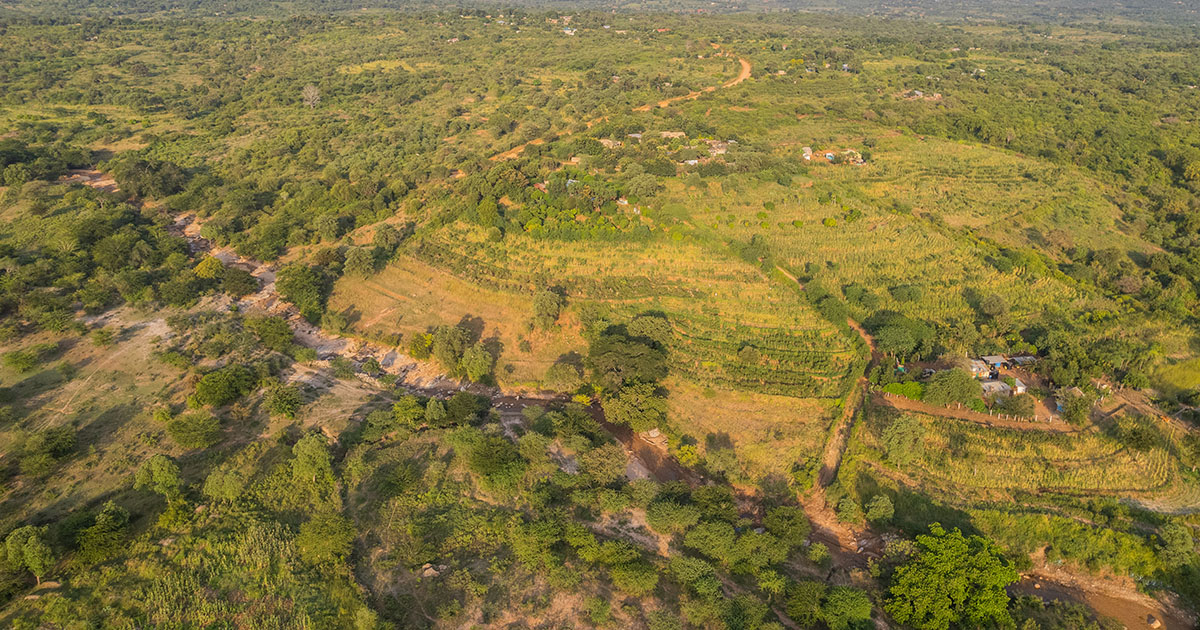




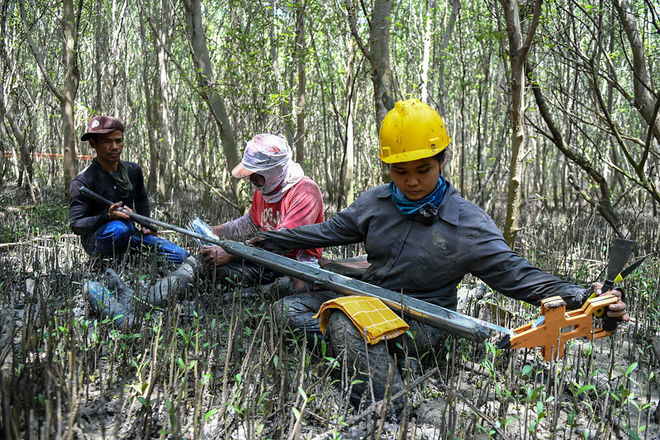
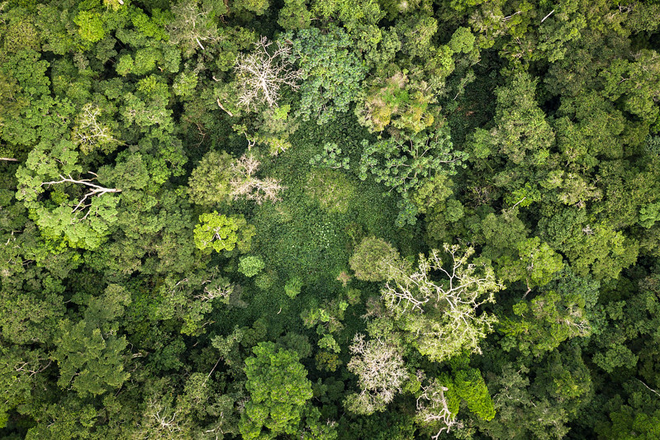



Indigenous Peoples are central to global efforts in biodiversity conservation and sustainable wildlife management, stewarding approximately 28% of the Earth’s land surface, much of which overlaps with biodiversity hotspots and ecologically intact regions. Their traditional ecological knowledge (TEK) and sustainable practices, developed over generations, provide critical insights into the management of species and ecosystems. These practices, such as rotational agriculture, sacred groves, and sustainable hunting, are complemented by modern conservation strategies, resulting in reduced deforestation, enhanced biodiversity, and improved climate regulation. Indigenous territories are indispensable for maintaining ecological integrity, supporting climate change mitigation, and sustaining vital ecosystem services. However, Indigenous communities face escalating threats, including land encroachment, deforestation, climate change, and poorly planned development projects, all of which undermine their ability to manage and conserve these landscapes. Social and political marginalization, inadequate legal protections, and the erosion of TEK further exacerbate these challenges. This chapter explores the transformative role of Indigenous Peoples in conservation, showcasing case studies from around the world while addressing the barriers they face. It concludes with actionable strategies, including strengthening land rights, promoting inclusive governance, supporting TEK, and raising awareness of their contributions. Empowering Indigenous Peoples is essential for achieving global biodiversity goals, advancing social justice, and fostering a sustainable and equitable future.
This work is licensed under CC-BY 4.0
This work is licensed under CC-BY 4.0
Exporter la citation:
RIS (.ris)
TI  - Sustainable Wildlife Management: Why Indigenous People Matter
AU  - Nasi, R.
AU  - Fa, J.E.
AB  - Indigenous Peoples are central to global efforts in biodiversity conservation and sustainable wildlife management, stewarding approximately 28% of the Earth’s land surface, much of which overlaps with biodiversity hotspots and ecologically intact regions. Their traditional ecological knowledge (TEK) and sustainable practices, developed over generations, provide critical insights into the management of species and ecosystems. These practices, such as rotational agriculture, sacred groves, and sustainable hunting, are complemented by modern conservation strategies, resulting in reduced deforestation, enhanced biodiversity, and improved climate regulation. Indigenous territories are indispensable for maintaining ecological integrity, supporting climate change mitigation, and sustaining vital ecosystem services. However, Indigenous communities face escalating threats, including land encroachment, deforestation, climate change, and poorly planned development projects, all of which undermine their ability to manage and conserve these landscapes. Social and political marginalization, inadequate legal protections, and the erosion of TEK further exacerbate these challenges. This chapter explores the transformative role of Indigenous Peoples in conservation, showcasing case studies from around the world while addressing the barriers they face. It concludes with actionable strategies, including strengthening land rights, promoting inclusive governance, supporting TEK, and raising awareness of their contributions. Empowering Indigenous Peoples is essential for achieving global biodiversity goals, advancing social justice, and fostering a sustainable and equitable future.
PY  - 2025
PB  - Libreria Editrice Vaticana
PP  - Vatican City
UR  - https://www.cifor-icraf.org/knowledge/publication/44770/
KW  - agricultural practice, biodiversity conservation, deforestation, ecosystem services, governance, hunting, indigenous knowledge, indigenous peoples, land ownership, protected areas, sacred groves, wildlife conservation, wildlife management
ER  -
Endnote (.ciw)
%T Sustainable Wildlife Management: Why Indigenous People Matter
%A Nasi, R.
%A Fa, J.E.
%D 2025
%I Libreria Editrice Vaticana
%C Vatican City
%U https://www.cifor-icraf.org/knowledge/publication/44770/
%X Indigenous Peoples are central to global efforts in biodiversity conservation and sustainable wildlife management, stewarding approximately 28% of the Earth’s land surface, much of which overlaps with biodiversity hotspots and ecologically intact regions. Their traditional ecological knowledge (TEK) and sustainable practices, developed over generations, provide critical insights into the management of species and ecosystems. These practices, such as rotational agriculture, sacred groves, and sustainable hunting, are complemented by modern conservation strategies, resulting in reduced deforestation, enhanced biodiversity, and improved climate regulation. Indigenous territories are indispensable for maintaining ecological integrity, supporting climate change mitigation, and sustaining vital ecosystem services. However, Indigenous communities face escalating threats, including land encroachment, deforestation, climate change, and poorly planned development projects, all of which undermine their ability to manage and conserve these landscapes. Social and political marginalization, inadequate legal protections, and the erosion of TEK further exacerbate these challenges. This chapter explores the transformative role of Indigenous Peoples in conservation, showcasing case studies from around the world while addressing the barriers they face. It concludes with actionable strategies, including strengthening land rights, promoting inclusive governance, supporting TEK, and raising awareness of their contributions. Empowering Indigenous Peoples is essential for achieving global biodiversity goals, advancing social justice, and fostering a sustainable and equitable future.
%K agricultural practice
%K biodiversity conservation
%K deforestation
%K ecosystem services
%K governance
%K hunting
%K indigenous knowledge
%K indigenous peoples
%K land ownership
%K protected areas
%K sacred groves
%K wildlife conservation
%K wildlife management
Année de publication
2025
ISBN
978-88-266-1014-6
Auteurs
Langue
English
Mots clés
agricultural practice, biodiversity conservation, deforestation, ecosystem services, governance, hunting, indigenous knowledge, indigenous peoples, land ownership, protected areas, sacred groves, wildlife conservation, wildlife management
Source
Indigenous Peoples’ Knowledge and the Sciences: Combining Knowledge and Science on Vulnerabilities and Solutions for Resilience. Libreria Editrice Vaticana: Vatican City