

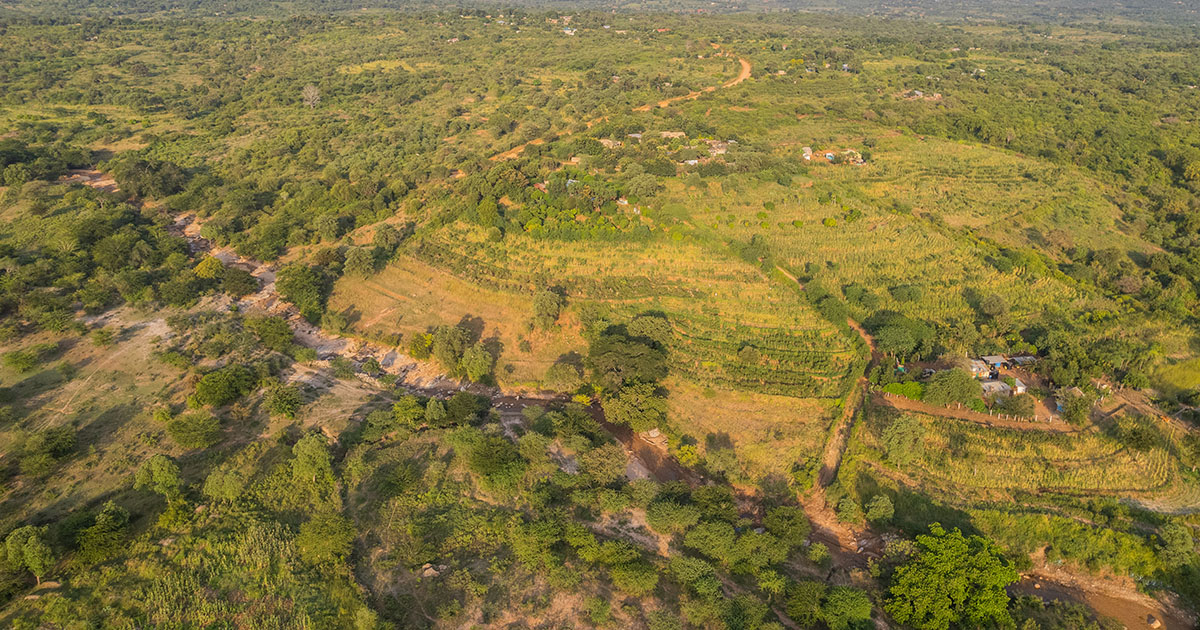
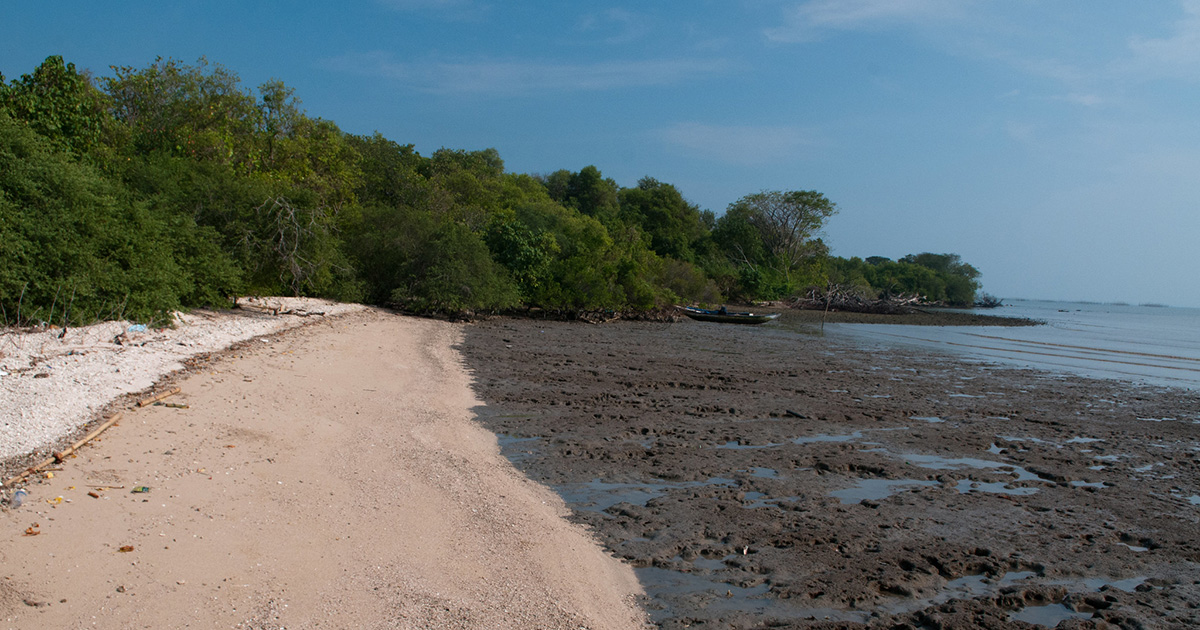




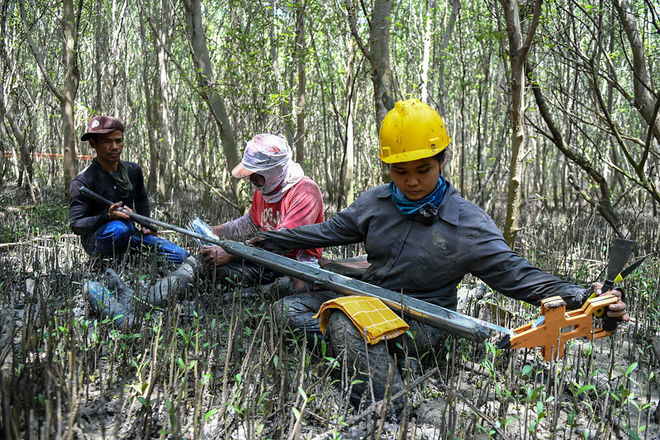



Indonesia stands at a critical juncture, navigating the trilemma of rapidly increasing demands for food and energy while concurrently pursuing ambitious climate change mitigation and forest conservation targets. The government’s recent policy focus on utilizing millions of hectares of state forest land for food and bioenergy production presents both a monumental opportunity and a significant ecological risk. This perspective argues that Indonesia’s national security goals can be ― and must be ― achieved by redirecting development efforts toward the nation’s vast degraded, marginal and underutilized lands rather than risking further natural forest conversion. We outline a clear, science-based pathway centered on restoration-oriented, climate-smart agroforestry (CSAF) and bioenergy systems. These integrated systems, utilizing locally adapted, multi-species combinations of food crops, high-value bioenergy trees and livestock, offer a scalable model to enhance land productivity, secure rural livelihoods and achieve net carbon sequestration. This approach decouples economic development from deforestation, serving as the essential foundation for building a truly forest-positive bioeconomy that ensures resilience, prosperity and ecological integrity for Indonesia.
This work is licensed under CC-BY 4.0

This work is licensed under CC-BY 4.0
DOI:
https://doi.org/10.14578/jkfs.2025.114.4.390Score Altmetric:
Dimensions Nombre de citations:
Exporter la citation:
RIS (.ris)
TI  - A Pathway to a Forest-Positive Bioeconomy in Indonesia: Harnessing Degraded Lands for Food and Energy Security
AU  - Baral, H.
AU  - Supriyanto, B.
AU  - Finlayson, R.
AU  - Leksono, B.
AU  - Nasi, R.
AB  - Indonesia stands at a critical juncture, navigating the trilemma of rapidly increasing demands for food and energy while concurrently pursuing ambitious climate change mitigation and forest conservation targets. The government’s recent policy focus on utilizing millions of hectares of state forest land for food and bioenergy production presents both a monumental opportunity and a significant ecological risk. This perspective argues that Indonesia’s national security goals can be ― and must be ― achieved by redirecting development efforts toward the nation’s vast degraded, marginal and underutilized lands rather than risking further natural forest conversion. We outline a clear, science-based pathway centered on restoration-oriented, climate-smart agroforestry (CSAF) and bioenergy systems. These integrated systems, utilizing locally adapted, multi-species combinations of food crops, high-value bioenergy trees and livestock, offer a scalable model to enhance land productivity, secure rural livelihoods and achieve net carbon sequestration. This approach decouples economic development from deforestation, serving as the essential foundation for building a truly forest-positive bioeconomy that ensures resilience, prosperity and ecological integrity for Indonesia.
PY  - 2025
UR  - https://www.cifor-icraf.org/knowledge/publication/46123/
DO  - https://doi.org/10.14578/jkfs.2025.114.4.390
KW  - agroforestry, bioenergy, climate smart agriculture, food security, land degradation, renewable energy, restoration
ER  -
Endnote (.ciw)
%T A Pathway to a Forest-Positive Bioeconomy in Indonesia: Harnessing Degraded Lands for Food and Energy Security
%A Baral, H.
%A Supriyanto, B.
%A Finlayson, R.
%A Leksono, B.
%A Nasi, R.
%D 2025
%U https://www.cifor-icraf.org/knowledge/publication/46123/
%R https://doi.org/10.14578/jkfs.2025.114.4.390
%X Indonesia stands at a critical juncture, navigating the trilemma of rapidly increasing demands for food and energy while concurrently pursuing ambitious climate change mitigation and forest conservation targets. The government’s recent policy focus on utilizing millions of hectares of state forest land for food and bioenergy production presents both a monumental opportunity and a significant ecological risk. This perspective argues that Indonesia’s national security goals can be ― and must be ― achieved by redirecting development efforts toward the nation’s vast degraded, marginal and underutilized lands rather than risking further natural forest conversion. We outline a clear, science-based pathway centered on restoration-oriented, climate-smart agroforestry (CSAF) and bioenergy systems. These integrated systems, utilizing locally adapted, multi-species combinations of food crops, high-value bioenergy trees and livestock, offer a scalable model to enhance land productivity, secure rural livelihoods and achieve net carbon sequestration. This approach decouples economic development from deforestation, serving as the essential foundation for building a truly forest-positive bioeconomy that ensures resilience, prosperity and ecological integrity for Indonesia.
%K agroforestry
%K bioenergy
%K climate smart agriculture
%K food security
%K land degradation
%K renewable energy
%K restoration
Année de publication
2025
ISSN
2586-6613
Auteurs
Baral, H.; Supriyanto, B.; Finlayson, R.; Leksono, B.; Nasi, R.
Langue
English
Mots clés
agroforestry, bioenergy, climate smart agriculture, food security, land degradation, renewable energy, restoration
Source
Journal of Korean Society of Forest Science. 114(4): 390-402
Géographique
Indonesia