




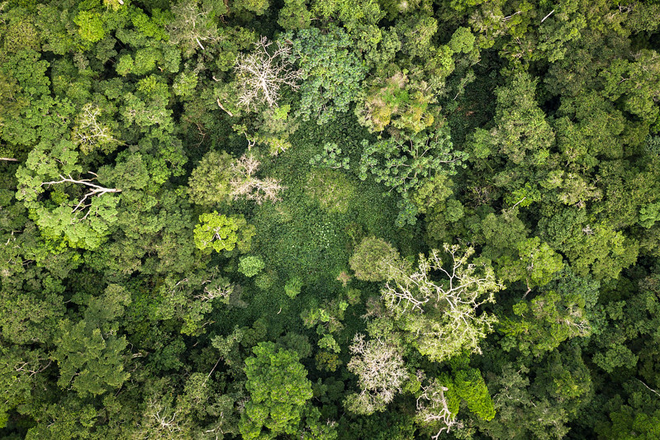



In this Chapter we identify the resilience-enhancing potential of management and governance interventions, or ‘response options’ that have forests at their core or that could address forest social-ecological systems, for instance, by seeking to improve forest extent, condition, and biodiversity. Interventions may be focused on reducing the drivers of deforestation and degradation or on enhancing and amplifying positive forest-based actions (e.g., governance, social, cultural). We identify response options that may contribute to improvements in forest condition and/or the reduction of drivers of forest decline and degradation. We consider a range of more common and more nascent response options, and the overarching frameworks that may support their application. We examine resilience-enhancing response options by incorporating widely recognised social-ecological, resilience-enhancing attributes and placing an emphasis on well-being, including social and economic attributes, which have so far received less focus or, in some cases, been supplanted by environmental, legal, or technical priorities. We also consider the scale at which interventions are applied and their propensity to support incremental or transformative change, as well as the potential for divergent outcomes in the Global North versus the Global South. We explore whether common interventions are sufficient and if there are additional options that hold promise for enhancing resilience. Further, we identify intervention adjustments or calibrations that may be required to increase their resilience enhancing potential, and point to cross-cutting elements and approaches that may advance
forest contributions to social and economic resilience in particular, and to social-ecological system resilience more broadly.
This work is licensed under CC-BY 4.0
Download:

This work is licensed under CC-BY 4.0
Exporter la citation:
RIS (.ris)
TI  - Options for Enhancing the Contributions of Forests to Social and Economic Resilience
AU  - Carmenta, R.
AU  - McGinley, K.
AU  - Akamani, K.
AU  - Delgado-Serrano, M.M.
AU  - Larson, A.M.
AU  - Allen, C.R.
AU  - Djenontin, I.N.S.
AU  - Duchelle, A.E.
AU  - Libert-Amico, A.
AU  - Reed, J.
AU  - Russo Lopes, G.
AU  - Swiderska, K.
AB  - In this Chapter we identify the resilience-enhancing potential of management and governance interventions, or ‘response options’ that have forests at their core or that could address forest social-ecological systems, for instance, by seeking to improve forest extent, condition, and biodiversity. Interventions may be focused on reducing the drivers of deforestation and degradation or on enhancing and amplifying positive forest-based actions (e.g., governance, social, cultural). We identify response options that may contribute to improvements in forest condition and/or the reduction of drivers of forest decline and degradation. We consider a range of more common and more nascent response options, and the overarching frameworks that may support their application. We examine resilience-enhancing response options by incorporating widely recognised social-ecological, resilience-enhancing attributes and placing an emphasis on well-being, including social and economic attributes, which have so far received less focus or, in some cases, been supplanted by environmental, legal, or technical priorities. We also consider the scale at which interventions are applied and their propensity to support incremental or transformative change, as well as the potential for divergent outcomes in the Global North versus the Global South. We explore whether common interventions are sufficient and if there are additional options that hold promise for enhancing resilience. Further, we identify intervention adjustments or calibrations that may be required to increase their resilience enhancing potential, and point to cross-cutting elements and approaches that may advance
forest contributions to social and economic resilience in particular, and to social-ecological system resilience more broadly.
PY  - 2025
PB  - International Union of Forest Research Organizations (IUFRO)
PP  - Vienna, Austria
UR  - https://www.cifor-icraf.org/knowledge/publication/46146/
KW  - biodiversity, deforestation, degradation, forest conservation, forest management, forests, governance, resilience, social aspects, socioeconomic aspects
ER  -
Endnote (.ciw)
%T Options for Enhancing the Contributions of Forests to Social and Economic Resilience
%A Carmenta, R.
%A McGinley, K.
%A Akamani, K.
%A Delgado-Serrano, M.M.
%A Larson, A.M.
%A Allen, C.R.
%A Djenontin, I.N.S.
%A Duchelle, A.E.
%A Libert-Amico, A.
%A Reed, J.
%A Russo Lopes, G.
%A Swiderska, K.
%D 2025
%I International Union of Forest Research Organizations (IUFRO)
%C Vienna, Austria
%U https://www.cifor-icraf.org/knowledge/publication/46146/
%X In this Chapter we identify the resilience-enhancing potential of management and governance interventions, or ‘response options’ that have forests at their core or that could address forest social-ecological systems, for instance, by seeking to improve forest extent, condition, and biodiversity. Interventions may be focused on reducing the drivers of deforestation and degradation or on enhancing and amplifying positive forest-based actions (e.g., governance, social, cultural). We identify response options that may contribute to improvements in forest condition and/or the reduction of drivers of forest decline and degradation. We consider a range of more common and more nascent response options, and the overarching frameworks that may support their application. We examine resilience-enhancing response options by incorporating widely recognised social-ecological, resilience-enhancing attributes and placing an emphasis on well-being, including social and economic attributes, which have so far received less focus or, in some cases, been supplanted by environmental, legal, or technical priorities. We also consider the scale at which interventions are applied and their propensity to support incremental or transformative change, as well as the potential for divergent outcomes in the Global North versus the Global South. We explore whether common interventions are sufficient and if there are additional options that hold promise for enhancing resilience. Further, we identify intervention adjustments or calibrations that may be required to increase their resilience enhancing potential, and point to cross-cutting elements and approaches that may advance
forest contributions to social and economic resilience in particular, and to social-ecological system resilience more broadly.
%K biodiversity
%K deforestation
%K degradation
%K forest conservation
%K forest management
%K forests
%K governance
%K resilience
%K social aspects
%K socioeconomic aspects
Année de publication
2025
ISSN
1016-3263
ISBN
978-3-903345-36-2
Auteurs
Carmenta, R.; McGinley, K.; Akamani, K.; Delgado-Serrano, M.M.; Larson, A.M.; Allen, C.R.; Djenontin, I.N.S.; Duchelle, A.E.; Libert-Amico, A.; Reed, J.; Russo Lopes, G.; Swiderska, K.
Langue
English
Mots clés
biodiversity, deforestation, degradation, forest conservation, forest management, forests, governance, resilience, social aspects, socioeconomic aspects