





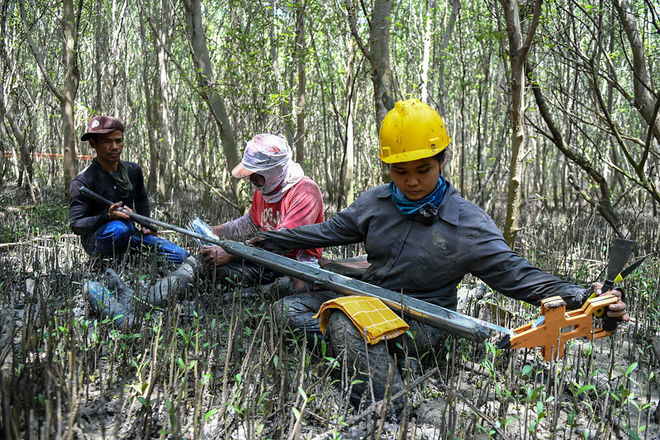
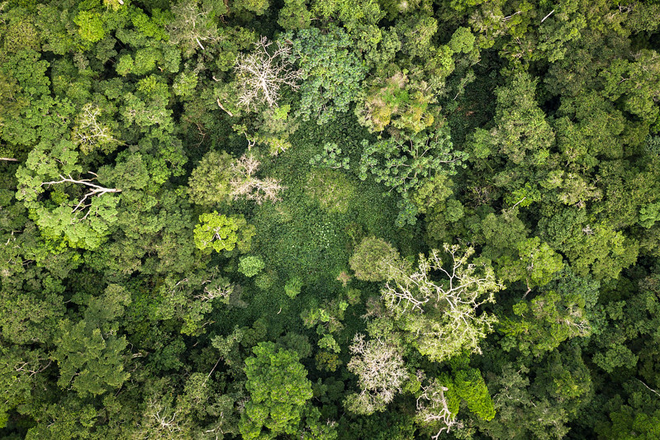



This chapter assesses scientific evidence on the interconnections between forests and social‑economic resilience, focusing both on how forests bolster human systems and on the resilience of forests themselves. Strong evidence demonstrates that resilient forests help societies adapt to and mitigate global changes such as land‑use change, biodiversity loss, disaster risk, and climate change—pressures disproportionately driven by economic growth. Using a social‑ecological systems (SES) lens, the chapter highlights how forests respond to cascading stressors through resistance, recovery, or transformation, with resilience reducing uncertainty and safeguarding contributions to human well‑being. Forests provide products, ecosystem services, and cultural values that sustain livelihoods, health, biocultural diversity, and resilience across scales, including clean water, soil conservation, and carbon sequestration. At the global level, resilient forest SES play a critical role in preventing further transgression of planetary boundaries and mitigating impacts of thresholds already crossed. At meso‑scales, forests and forest‑human relationships are shaped by interconnected social and ecological processes, underscoring their importance for sustainable futures and attainment of the SDGs.
This work is licensed under CC-BY 4.0
Download:

This work is licensed under CC-BY 4.0
Exporter la citation:
RIS (.ris)
TI  - Forests for Social and Economic Resilience
AU  - Allen, C.R.
AU  - Akamani, K.
AU  - Carmenta, R.
AU  - Das, S.
AU  - Dhyani, Shalini
AU  - Delgado-Serrano, M.M.
AU  - Djenontin, I.N.S.
AU  - Ferreira, J.
AU  - Izquierdo-Tort, S.
AU  - Larson, A.M.
AU  - McGinley, K.
AU  - Nepal, M.
AB  - This chapter assesses scientific evidence on the interconnections between forests and social‑economic resilience, focusing both on how forests bolster human systems and on the resilience of forests themselves. Strong evidence demonstrates that resilient forests help societies adapt to and mitigate global changes such as land‑use change, biodiversity loss, disaster risk, and climate change—pressures disproportionately driven by economic growth. Using a social‑ecological systems (SES) lens, the chapter highlights how forests respond to cascading stressors through resistance, recovery, or transformation, with resilience reducing uncertainty and safeguarding contributions to human well‑being. Forests provide products, ecosystem services, and cultural values that sustain livelihoods, health, biocultural diversity, and resilience across scales, including clean water, soil conservation, and carbon sequestration. At the global level, resilient forest SES play a critical role in preventing further transgression of planetary boundaries and mitigating impacts of thresholds already crossed. At meso‑scales, forests and forest‑human relationships are shaped by interconnected social and ecological processes, underscoring their importance for sustainable futures and attainment of the SDGs.
PY  - 2025
PB  - International Union of Forest Research Organizations (IUFRO)
PP  - Vienna, Austria
UR  - https://www.cifor-icraf.org/knowledge/publication/46147/
KW  - biodiversity conservation, carbon sequestration, climate change adaptation, cultural values, ecosystem services, forests, livelihoods, resilience, risk reduction, social aspects, transformation
ER  -
Endnote (.ciw)
%T Forests for Social and Economic Resilience
%A Allen, C.R.
%A Akamani, K.
%A Carmenta, R.
%A Das, S.
%A Dhyani, Shalini
%A Delgado-Serrano, M.M.
%A Djenontin, I.N.S.
%A Ferreira, J.
%A Izquierdo-Tort, S.
%A Larson, A.M.
%A McGinley, K.
%A Nepal, M.
%D 2025
%I International Union of Forest Research Organizations (IUFRO)
%C Vienna, Austria
%U https://www.cifor-icraf.org/knowledge/publication/46147/
%X This chapter assesses scientific evidence on the interconnections between forests and social‑economic resilience, focusing both on how forests bolster human systems and on the resilience of forests themselves. Strong evidence demonstrates that resilient forests help societies adapt to and mitigate global changes such as land‑use change, biodiversity loss, disaster risk, and climate change—pressures disproportionately driven by economic growth. Using a social‑ecological systems (SES) lens, the chapter highlights how forests respond to cascading stressors through resistance, recovery, or transformation, with resilience reducing uncertainty and safeguarding contributions to human well‑being. Forests provide products, ecosystem services, and cultural values that sustain livelihoods, health, biocultural diversity, and resilience across scales, including clean water, soil conservation, and carbon sequestration. At the global level, resilient forest SES play a critical role in preventing further transgression of planetary boundaries and mitigating impacts of thresholds already crossed. At meso‑scales, forests and forest‑human relationships are shaped by interconnected social and ecological processes, underscoring their importance for sustainable futures and attainment of the SDGs.
%K biodiversity conservation
%K carbon sequestration
%K climate change adaptation
%K cultural values
%K ecosystem services
%K forests
%K livelihoods
%K resilience
%K risk reduction
%K social aspects
%K transformation
Année de publication
2025
ISSN
1016-3263
ISBN
978-3-903345-36-2
Auteurs
Allen, C.R.; Akamani, K.; Carmenta, R.; Das, S.; Dhyani, Shalini; Delgado-Serrano, M.M.; Djenontin, I.N.S.; Ferreira, J.; Izquierdo-Tort, S.; Larson, A.M.; McGinley, K.; Nepal, M.
Langue
English
Mots clés
biodiversity conservation, carbon sequestration, climate change adaptation, cultural values, ecosystem services, forests, livelihoods, resilience, risk reduction, social aspects, transformation