
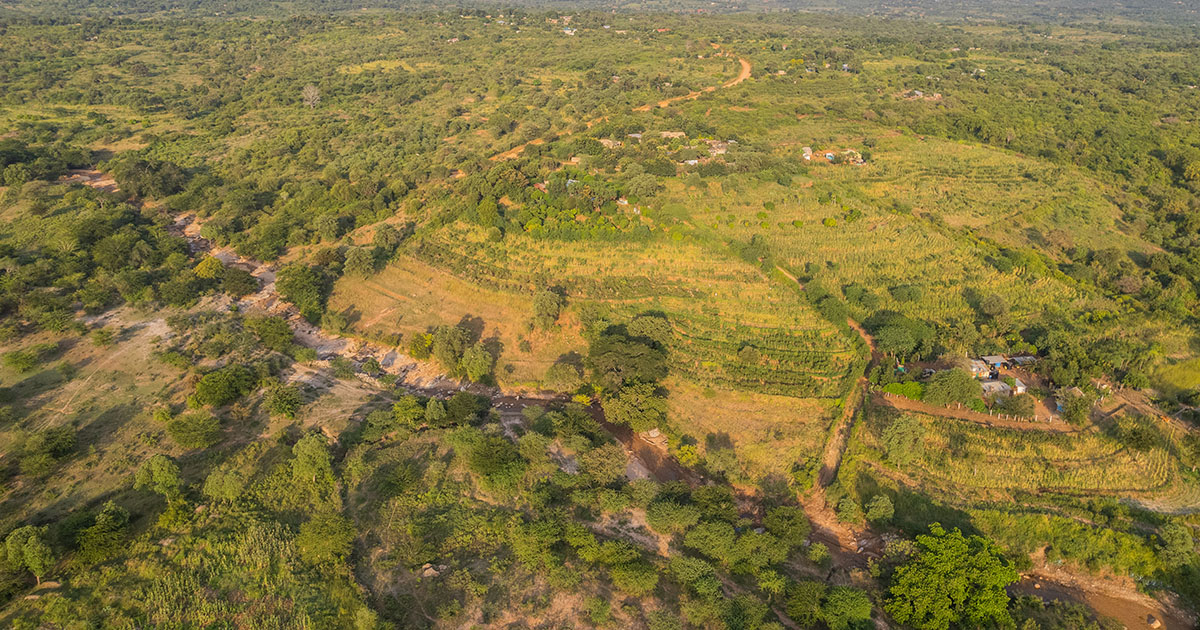
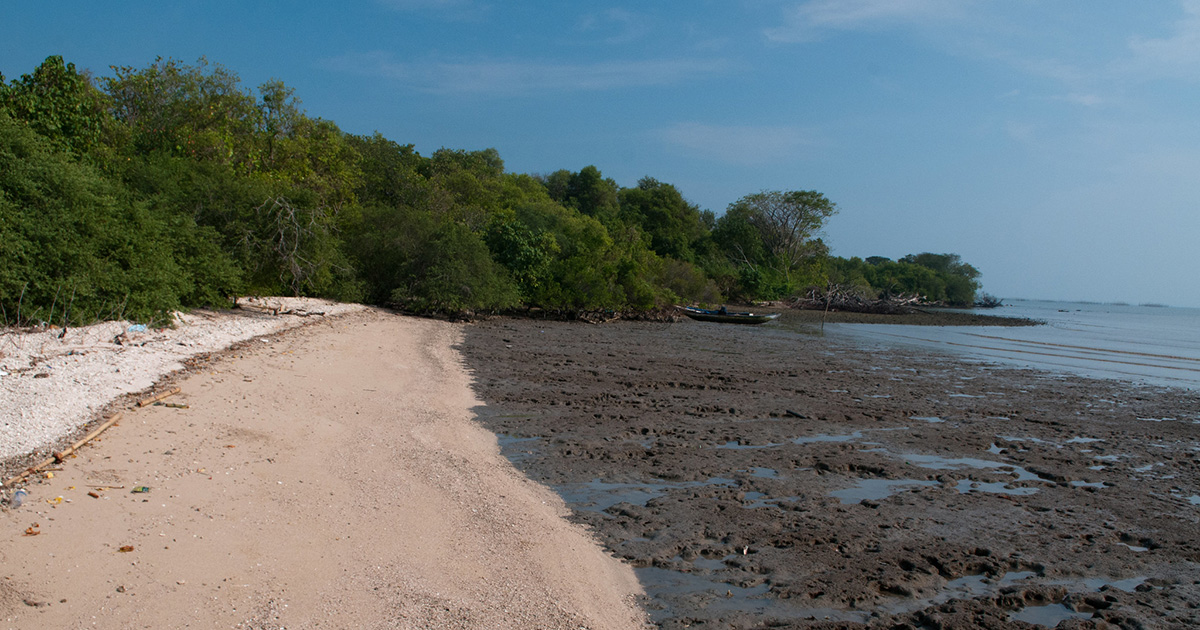






Forests and forestlands in the Global South have been claimed for a myriad of interconnected global interests since colonial times, for plantations, concessions for resource extraction and commodity production, and conservation. Resistance to these claims is expressed in discourse, contesting and clashing with often louder, more powerful, legitimations of resource extraction and production. Understanding who argues, how – and how powerfully – when plantations/concessions are resisted or legitimised will be important when trying to shape trajectories for more just futures in forest frontiers. We compare two cases: the establishment of a new oil palm plantation replacing forest in Kribi, Cameroon, and the establishment of a contract for carbon offsets to an international broker in Sabah, Malaysia. We analyse print media covering the individual cases, using Discourse Network Analyzer (DNA) to identify involved actors, coalitions, and the discursive strategies at play. While our two cases show differences in who resists and supports large land deals and how, we identified three discursive strategies common to both studies: those resisting from below encounter limitations when trying to leverage transnational coalitions, while those advocating for large land deals employ delegitimisation and dismissal of critique, as well as silence and silencing as main discursive strategies.
This work is licensed under CC-BY 4.0

This work is licensed under CC-BY 4.0
DOI:
https://doi.org/10.1080/01436597.2025.2555484Score Altmetric:
Dimensions Nombre de citations:
Exporter la citation:
RIS (.ris)
TI  - Forest land deals, resistance, and legitimisation - a comparative analysis of discourse coalitions and silent actors in Cameroon and Malaysia
AU  - Brockhaus, M.
AU  - Kan, A.
AU  - Mfoulou, A.
AU  - Assembe-Mvondo, S.
AU  - Chacgom, A.
AU  - Thomas, G.J.
AU  - Kengoum, F.
AU  - Naito, D.
AU  - Varkkey, H.
AU  - Wong, G.Y.
AB  - Forests and forestlands in the Global South have been claimed for a myriad of interconnected global interests since colonial times, for plantations, concessions for resource extraction and commodity production, and conservation. Resistance to these claims is expressed in discourse, contesting and clashing with often louder, more powerful, legitimations of resource extraction and production. Understanding who argues, how – and how powerfully – when plantations/concessions are resisted or legitimised will be important when trying to shape trajectories for more just futures in forest frontiers. We compare two cases: the establishment of a new oil palm plantation replacing forest in Kribi, Cameroon, and the establishment of a contract for carbon offsets to an international broker in Sabah, Malaysia. We analyse print media covering the individual cases, using Discourse Network Analyzer (DNA) to identify involved actors, coalitions, and the discursive strategies at play. While our two cases show differences in who resists and supports large land deals and how, we identified three discursive strategies common to both studies: those resisting from below encounter limitations when trying to leverage transnational coalitions, while those advocating for large land deals employ delegitimisation and dismissal of critique, as well as silence and silencing as main discursive strategies.
PY  - 2025
UR  - https://www.cifor-icraf.org/knowledge/publication/46309/
DO  - https://doi.org/10.1080/01436597.2025.2555484
KW  - carbon market, comparative analysis, forests, land tenure, oil palms, plantations
ER  -
Endnote (.ciw)
%T Forest land deals, resistance, and legitimisation - a comparative analysis of discourse coalitions and silent actors in Cameroon and Malaysia
%A Brockhaus, M.
%A Kan, A.
%A Mfoulou, A.
%A Assembe-Mvondo, S.
%A Chacgom, A.
%A Thomas, G.J.
%A Kengoum, F.
%A Naito, D.
%A Varkkey, H.
%A Wong, G.Y.
%D 2025
%U https://www.cifor-icraf.org/knowledge/publication/46309/
%R https://doi.org/10.1080/01436597.2025.2555484
%X Forests and forestlands in the Global South have been claimed for a myriad of interconnected global interests since colonial times, for plantations, concessions for resource extraction and commodity production, and conservation. Resistance to these claims is expressed in discourse, contesting and clashing with often louder, more powerful, legitimations of resource extraction and production. Understanding who argues, how – and how powerfully – when plantations/concessions are resisted or legitimised will be important when trying to shape trajectories for more just futures in forest frontiers. We compare two cases: the establishment of a new oil palm plantation replacing forest in Kribi, Cameroon, and the establishment of a contract for carbon offsets to an international broker in Sabah, Malaysia. We analyse print media covering the individual cases, using Discourse Network Analyzer (DNA) to identify involved actors, coalitions, and the discursive strategies at play. While our two cases show differences in who resists and supports large land deals and how, we identified three discursive strategies common to both studies: those resisting from below encounter limitations when trying to leverage transnational coalitions, while those advocating for large land deals employ delegitimisation and dismissal of critique, as well as silence and silencing as main discursive strategies.
%K carbon market
%K comparative analysis
%K forests
%K land tenure
%K oil palms
%K plantations
Année de publication
2025
ISSN
0143-6597
Auteurs
Brockhaus, M.; Kan, A.; Mfoulou, A.; Assembe-Mvondo, S.; Chacgom, A.; Thomas, G.J.; Kengoum, F.; Naito, D.; Varkkey, H.; Wong, G.Y.
Langue
English
Mots clés
carbon market, comparative analysis, forests, land tenure, oil palms, plantations
Source
Third World Quarterly. :
Géographique
Cameroon, Malaysia