




Key messages
- However, because these ecosystems are under significant pressure from unsustainable land-use practices, they must be credited in the national forest monitoring and measurement mechanism and integrated into the national policy agenda.
- In January 2016, the Government of Indonesia submitted a forest reference emission level (FREL) to the United Nations Framework Convention on Climate Change (UNFCCC) secretariat, and is currently in the process of finalizing its second FREL.
- To achieve the intended improvement in the FREL, CIFOR has played an active role by co-producing relevant data and knowledge products, building capacity among key personnel and stakeholders, and creating a platform for communication, engagement and outreach at national and international levels.
Download:

This work is licensed under CC-BY 4.0
DOI:
https://doi.org/10.17528/cifor/008048Score Altmetric:
Dimensions Nombre de citations:
Exporter la citation:
RIS (.ris)
TI  - Global Comparative Study on REDD+ story of change: CIFOR’s science on wetlands for Indonesian measurement, reporting and verification and forest reference emission level development
AU  - Bhomia, R.K.
AU  - Nofyanza, S.
AU  - Thürer, T.
AU  - O’Connell, E.
AU  - Murdiyarso, D.
AB  - Key messages

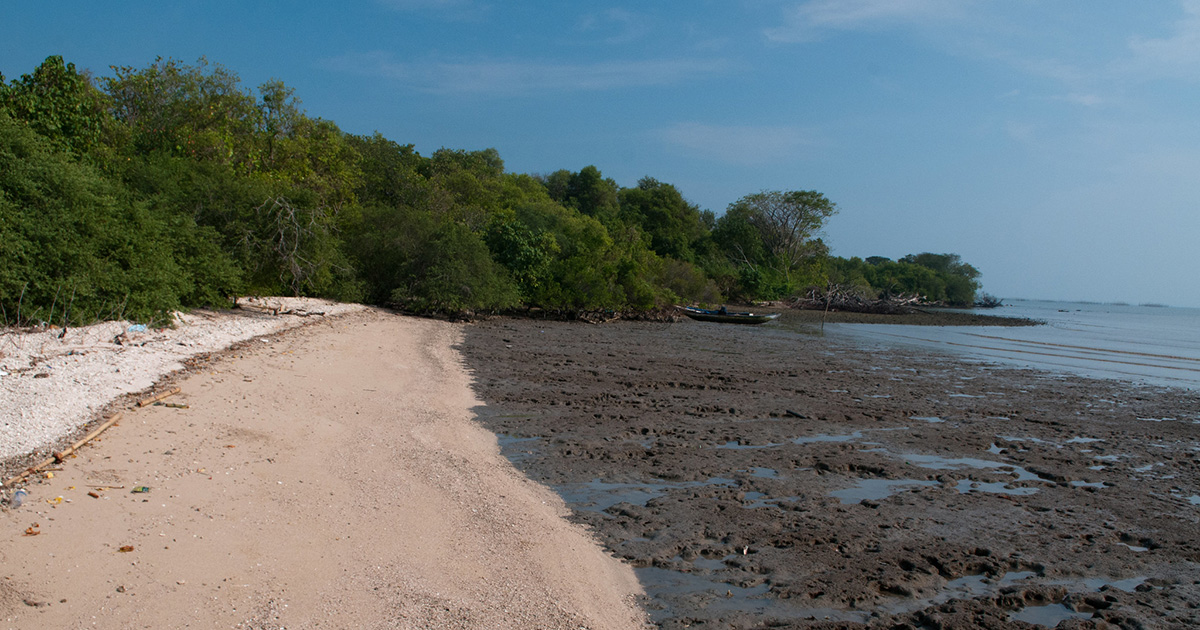
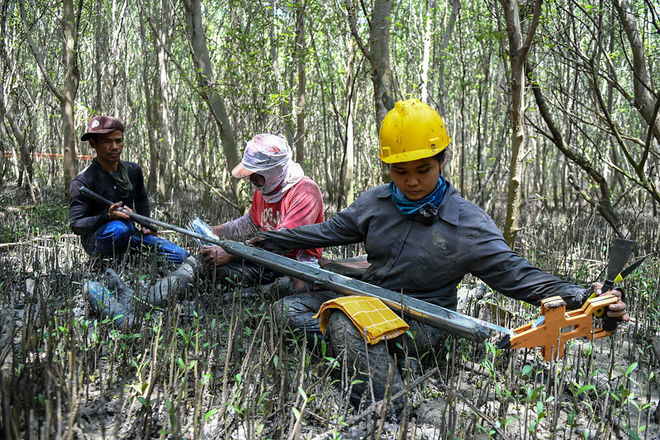
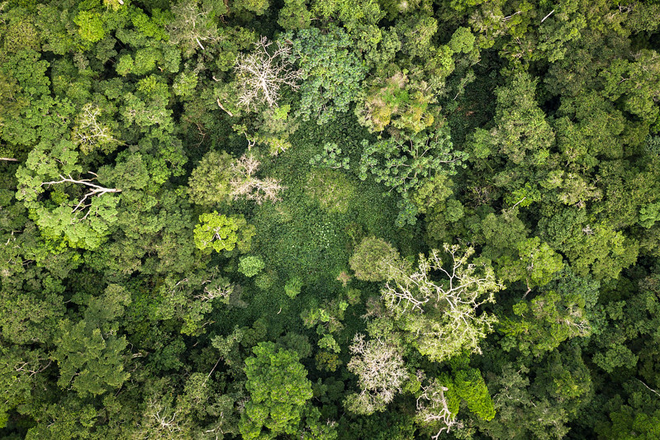
Tropical forested wetlands, including peatlands and mangroves, provide critical environmental services and store 3–5 times more carbon than other tropical forests.
However, because these ecosystems are under significant pressure from unsustainable land-use practices, they must be credited in the national forest monitoring and measurement mechanism and integrated into the national policy agenda.
In January 2016, the Government of Indonesia submitted a forest reference emission level (FREL) to the United Nations Framework Convention on Climate Change (UNFCCC) secretariat, and is currently in the process of finalizing its second FREL.
To achieve the intended improvement in the FREL, CIFOR has played an active role by co-producing relevant data and knowledge products, building capacity among key personnel and stakeholders, and creating a platform for communication, engagement and outreach at national and international levels.

PY  - 2021
PB  - Center for International Forestry Research (CIFOR)
PP  - Bogor, Indonesia
UR  - https://www.cifor-icraf.org/knowledge/publication/8048/
DO  - https://doi.org/10.17528/cifor/008048
KW  - climate change, emissions, evaluation, measurement, tropical forests, wetlands
ER  -
Endnote (.ciw)
%T Global Comparative Study on REDD+ story of change: CIFOR’s science on wetlands for Indonesian measurement, reporting and verification and forest reference emission level development
%A Bhomia, R.K.
%A Nofyanza, S.
%A Thürer, T.
%A O’Connell, E.
%A Murdiyarso, D.
%D 2021
%I Center for International Forestry Research (CIFOR)
%C Bogor, Indonesia
%U https://www.cifor-icraf.org/knowledge/publication/8048/
%R https://doi.org/10.17528/cifor/008048
%X Key messages

Tropical forested wetlands, including peatlands and mangroves, provide critical environmental services and store 3–5 times more carbon than other tropical forests.
However, because these ecosystems are under significant pressure from unsustainable land-use practices, they must be credited in the national forest monitoring and measurement mechanism and integrated into the national policy agenda.
In January 2016, the Government of Indonesia submitted a forest reference emission level (FREL) to the United Nations Framework Convention on Climate Change (UNFCCC) secretariat, and is currently in the process of finalizing its second FREL.
To achieve the intended improvement in the FREL, CIFOR has played an active role by co-producing relevant data and knowledge products, building capacity among key personnel and stakeholders, and creating a platform for communication, engagement and outreach at national and international levels.

%K climate change
%K emissions
%K evaluation
%K measurement
%K tropical forests
%K wetlands
Publisher
Center for International Forestry Research (CIFOR): Bogor, Indonesia
Année de publication
2021
Auteurs
Bhomia, R.K.; Nofyanza, S.; Thürer, T.; O’Connell, E.; Murdiyarso, D.
Langue
English
Mots clés
climate change, emissions, evaluation, measurement, tropical forests, wetlands
Géographique
Indonesia