






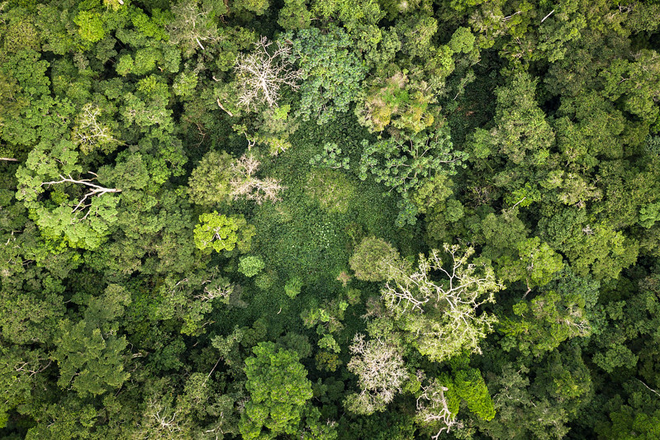



Hunting is essential for securing access to energy and nutrients by rural and urban populations throughout the tropics. The hunting patterns of urban hunters are unknown, and we do not know how much they resemble or differ from rural hunters. On the other hand social factors that influence hunting choice of these hunters are still largely unclear. Here we analyzed the impact of socioeconomic and cultural factors on frequency and composition of species hunted by urban and rural Amazonian hunters. Within 10 municipalities in western Amazonia in Brazil, we interviewed 49 urban hunters and 57 rural hunters. A total of 44 species were cited as hunted. Our analyses showed that the probability of engaging in sport hunting (for recreation) was greater in urban hunters. Rural inhabitants, who had overall incomes lower than urban hunters, and were non-practicing Christians and Atheists hunted more frequently. Species hunted or preferred were similar independently of the livelihood or religion of the urban or rural hunters. However, we found that hunting frequency was influenced by the hunters’ socioeconomic and cultural backgrounds, which did not affect the composition of the harvest. This similarity between urban and rural hunters might be related to species distribution and availability and could potentially impact the most hunted species if hunting grounds overlap. Understanding hunting patterns, especially those of urban hunters can be used to manage hunting activities more effectively, improve law enforcement against illegal hunting as well as develop more effective conservation strategies.
This work is licensed under CC-BY 4.0

Download:

This work is licensed under CC-BY 4.0
DOI:
https://doi.org/10.21203/rs.3.rs-2837952/v1Score Altmetric:
Dimensions Nombre de citations:
Exporter la citation:
RIS (.ris)
TI  - Comparing hunting practices of urban and rural inhabitants in Western Amazonia: the role of religion, wealth, and livelihoods
AU  - Oliveira, M.A.
AU  - El-Bizri, H.R.
AU  - Morcatty, T.Q.
AU  - Braga-Pereira, F.
AU  - Fa, J.E.
AU  - Messias, M.R.
AU  - Costa Doria, C.R.
AB  - Hunting is essential for securing access to energy and nutrients by rural and urban populations throughout the tropics. The hunting patterns of urban hunters are unknown, and we do not know how much they resemble or differ from rural hunters. On the other hand social factors that influence hunting choice of these hunters are still largely unclear. Here we analyzed the impact of socioeconomic and cultural factors on frequency and composition of species hunted by urban and rural Amazonian hunters. Within 10 municipalities in western Amazonia in Brazil, we interviewed 49 urban hunters and 57 rural hunters. A total of 44 species were cited as hunted. Our analyses showed that the probability of engaging in sport hunting (for recreation) was greater in urban hunters. Rural inhabitants, who had overall incomes lower than urban hunters, and were non-practicing Christians and Atheists hunted more frequently. Species hunted or preferred were similar independently of the livelihood or religion of the urban or rural hunters. However, we found that hunting frequency was influenced by the hunters’ socioeconomic and cultural backgrounds, which did not affect the composition of the harvest. This similarity between urban and rural hunters might be related to species distribution and availability and could potentially impact the most hunted species if hunting grounds overlap. Understanding hunting patterns, especially those of urban hunters can be used to manage hunting activities more effectively, improve law enforcement against illegal hunting as well as develop more effective conservation strategies.
PY  - 2023
UR  - https://www.cifor-icraf.org/knowledge/publication/8877/
DO  - https://doi.org/10.21203/rs.3.rs-2837952/v1
KW  - hunting, indigenous people, livelihoods, religion, rural community, urban community, wealth, wildlife
ER  -
Endnote (.ciw)
%T Comparing hunting practices of urban and rural inhabitants in Western Amazonia: the role of religion, wealth, and livelihoods
%A Oliveira, M.A.
%A El-Bizri, H.R.
%A Morcatty, T.Q.
%A Braga-Pereira, F.
%A Fa, J.E.
%A Messias, M.R.
%A Costa Doria, C.R.
%D 2023
%U https://www.cifor-icraf.org/knowledge/publication/8877/
%R https://doi.org/10.21203/rs.3.rs-2837952/v1
%X Hunting is essential for securing access to energy and nutrients by rural and urban populations throughout the tropics. The hunting patterns of urban hunters are unknown, and we do not know how much they resemble or differ from rural hunters. On the other hand social factors that influence hunting choice of these hunters are still largely unclear. Here we analyzed the impact of socioeconomic and cultural factors on frequency and composition of species hunted by urban and rural Amazonian hunters. Within 10 municipalities in western Amazonia in Brazil, we interviewed 49 urban hunters and 57 rural hunters. A total of 44 species were cited as hunted. Our analyses showed that the probability of engaging in sport hunting (for recreation) was greater in urban hunters. Rural inhabitants, who had overall incomes lower than urban hunters, and were non-practicing Christians and Atheists hunted more frequently. Species hunted or preferred were similar independently of the livelihood or religion of the urban or rural hunters. However, we found that hunting frequency was influenced by the hunters’ socioeconomic and cultural backgrounds, which did not affect the composition of the harvest. This similarity between urban and rural hunters might be related to species distribution and availability and could potentially impact the most hunted species if hunting grounds overlap. Understanding hunting patterns, especially those of urban hunters can be used to manage hunting activities more effectively, improve law enforcement against illegal hunting as well as develop more effective conservation strategies.
%K hunting
%K indigenous people
%K livelihoods
%K religion
%K rural community
%K urban community
%K wealth
%K wildlife
Année de publication
2023
ISSN
2693-5015
Auteurs
Oliveira, M.A.; El-Bizri, H.R.; Morcatty, T.Q.; Braga-Pereira, F.; Fa, J.E.; Messias, M.R.; Costa Doria, C.R.
Langue
English
Mots clés
hunting, indigenous people, livelihoods, religion, rural community, urban community, wealth, wildlife
Source
Research Square. :