

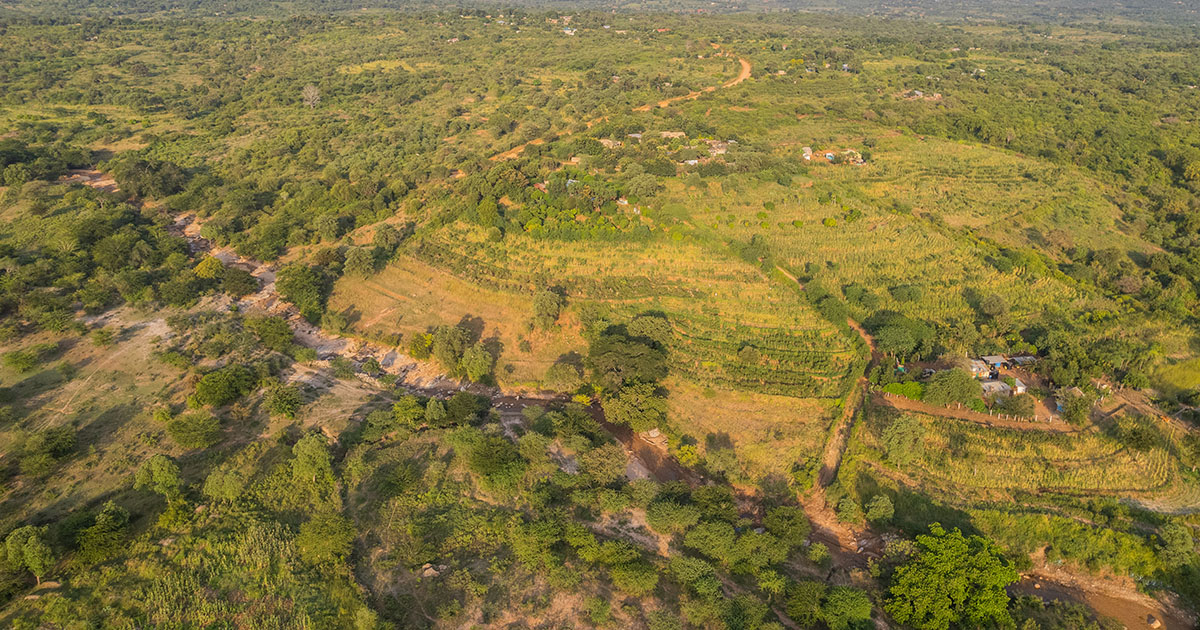





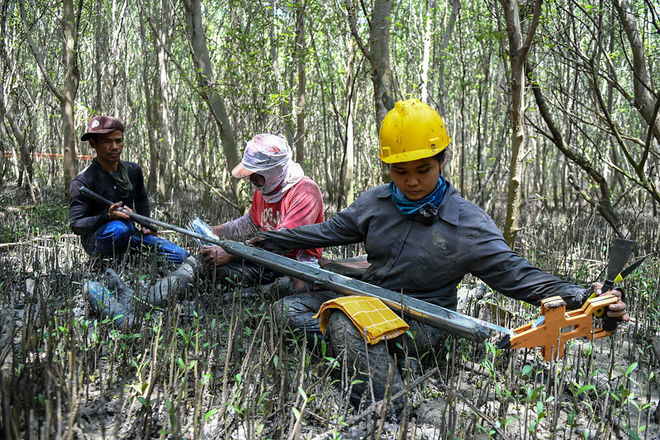
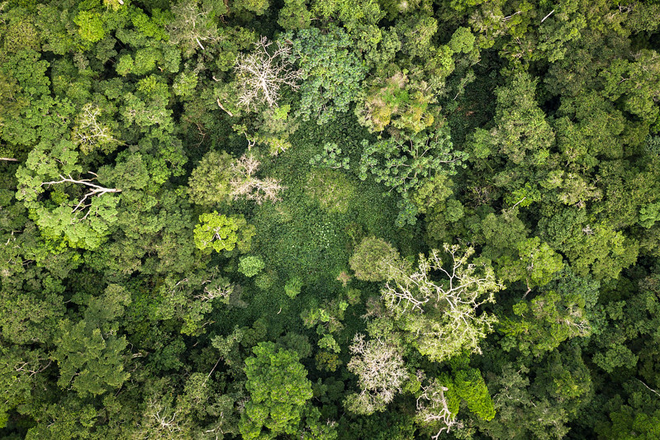



Traditional swidden rice cultivation in Kapuas Hulu consists of long-fallow cycles practiced on forested slopes. As oil palm development accelerates swidden transitions, these traditional practices are increasingly replaced by modified swidden systems which incorporate shorter fallows, and less forest regeneration.
This report documents changes in rice cultivation practices and the types and varieties of rice cultivated among smallholder farmers. Using a mix of primary and secondary data, this report highlights the great diversity of local varieties of rice still cultivated — many of which are indigenous to the region. However, as oil palm adopting households alter their cultivation practices, locally produced rice appears to comprise a smaller proportion of rice consumption and a smaller share of rice available in the market food system.
The nutritional consequences of these transitions are as yet unknown. Existing Food Composition Tables (FCT) for rice consist of only a few varieties and comparisons between locally produced and market origin rice are not available. However, many indigenous rice varieties have been shown to be nutritionally superior to higher-yielding alternatives commonly found in market systems. Given the significant quantities of rice being consumed, even small differences in nutrient content may have effects on nutrient intake and nutritional adequacy.
This report recommends investigation of the nutritional effects of changes in swidden rice transitions. An urgent priority is the nutritional analysis of indigenous rice varieties to be included in local and national FCTs. Such improved tables can then be used to model nutritional effects at the population level of changes in swidden rice cultivation and local food systems, and provide agricultural and health program planners with actionable recommendations to improve the health and nutrition of local populations.
This work is licensed under CC-BY 4.0

This report documents changes in rice cultivation practices and the types and varieties of rice cultivated among smallholder farmers. Using a mix of primary and secondary data, this report highlights the great diversity of local varieties of rice still cultivated — many of which are indigenous to the region. However, as oil palm adopting households alter their cultivation practices, locally produced rice appears to comprise a smaller proportion of rice consumption and a smaller share of rice available in the market food system.
The nutritional consequences of these transitions are as yet unknown. Existing Food Composition Tables (FCT) for rice consist of only a few varieties and comparisons between locally produced and market origin rice are not available. However, many indigenous rice varieties have been shown to be nutritionally superior to higher-yielding alternatives commonly found in market systems. Given the significant quantities of rice being consumed, even small differences in nutrient content may have effects on nutrient intake and nutritional adequacy.
This report recommends investigation of the nutritional effects of changes in swidden rice transitions. An urgent priority is the nutritional analysis of indigenous rice varieties to be included in local and national FCTs. Such improved tables can then be used to model nutritional effects at the population level of changes in swidden rice cultivation and local food systems, and provide agricultural and health program planners with actionable recommendations to improve the health and nutrition of local populations.
Download:

This work is licensed under CC-BY 4.0
DOI:
https://doi.org/10.17528/cifor-icraf/009128Score Altmetric:
Dimensions Nombre de citations:
Exporter la citation:
RIS (.ris)
TI  - Potential impacts of swidden rice transitions on nutrient intake in Kapuas Hulu, West Kalimantan, Indonesia
AU  - Habibie, I.Y.
AU  - Rowland, D.
AU  - Wirawan, N.N.
AU  - Purwestri, R.
AU  - Rafiony, A.
AU  - Ickowitz, A.
AB  - Traditional swidden rice cultivation in Kapuas Hulu consists of long-fallow cycles practiced on forested slopes. As oil palm development accelerates swidden transitions, these traditional practices are increasingly replaced by modified swidden systems which incorporate shorter fallows, and less forest regeneration.This report documents changes in rice cultivation practices and the types and varieties of rice cultivated among smallholder farmers. Using a mix of primary and secondary data, this report highlights the great diversity of local varieties of rice still cultivated — many of which are indigenous to the region. However, as oil palm adopting households alter their cultivation practices, locally produced rice appears to comprise a smaller proportion of rice consumption and a smaller share of rice available in the market food system.The nutritional consequences of these transitions are as yet unknown. Existing Food Composition Tables (FCT) for rice consist of only a few varieties and comparisons between locally produced and market origin rice are not available. However, many indigenous rice varieties have been shown to be nutritionally superior to higher-yielding alternatives commonly found in market systems. Given the significant quantities of rice being consumed, even small differences in nutrient content may have effects on nutrient intake and nutritional adequacy.This report recommends investigation of the nutritional effects of changes in swidden rice transitions. An urgent priority is the nutritional analysis of indigenous rice varieties to be included in local and national FCTs. Such improved tables can then be used to model nutritional effects at the population level of changes in swidden rice cultivation and local food systems, and provide agricultural and health program planners with actionable recommendations to improve the health and nutrition of local populations.
PY  - 2024
PB  - CIFOR-ICRAF
PP  - Bogor, Indonesia and Nairobi, Kenya
UR  - https://www.cifor-icraf.org/knowledge/publication/9128/
DO  - https://doi.org/10.17528/cifor-icraf/009128
KW  - dietary intake, farming systems, food quality, food resources, household income, livelihoods, nutrient intake, swidden agriculture
ER  -
Endnote (.ciw)
%T Potential impacts of swidden rice transitions on nutrient intake in Kapuas Hulu, West Kalimantan, Indonesia
%A Habibie, I.Y.
%A Rowland, D.
%A Wirawan, N.N.
%A Purwestri, R.
%A Rafiony, A.
%A Ickowitz, A.
%D 2024
%I CIFOR-ICRAF
%C Bogor, Indonesia and Nairobi, Kenya
%U https://www.cifor-icraf.org/knowledge/publication/9128/
%R https://doi.org/10.17528/cifor-icraf/009128
%X Traditional swidden rice cultivation in Kapuas Hulu consists of long-fallow cycles practiced on forested slopes. As oil palm development accelerates swidden transitions, these traditional practices are increasingly replaced by modified swidden systems which incorporate shorter fallows, and less forest regeneration.This report documents changes in rice cultivation practices and the types and varieties of rice cultivated among smallholder farmers. Using a mix of primary and secondary data, this report highlights the great diversity of local varieties of rice still cultivated — many of which are indigenous to the region. However, as oil palm adopting households alter their cultivation practices, locally produced rice appears to comprise a smaller proportion of rice consumption and a smaller share of rice available in the market food system.The nutritional consequences of these transitions are as yet unknown. Existing Food Composition Tables (FCT) for rice consist of only a few varieties and comparisons between locally produced and market origin rice are not available. However, many indigenous rice varieties have been shown to be nutritionally superior to higher-yielding alternatives commonly found in market systems. Given the significant quantities of rice being consumed, even small differences in nutrient content may have effects on nutrient intake and nutritional adequacy.This report recommends investigation of the nutritional effects of changes in swidden rice transitions. An urgent priority is the nutritional analysis of indigenous rice varieties to be included in local and national FCTs. Such improved tables can then be used to model nutritional effects at the population level of changes in swidden rice cultivation and local food systems, and provide agricultural and health program planners with actionable recommendations to improve the health and nutrition of local populations.
%K dietary intake
%K farming systems
%K food quality
%K food resources
%K household income
%K livelihoods
%K nutrient intake
%K swidden agriculture
Publisher
CIFOR-ICRAF: Bogor, Indonesia and Nairobi, Kenya
Année de publication
2024
Auteurs
Habibie, I.Y.; Rowland, D.; Wirawan, N.N.; Purwestri, R.; Rafiony, A.; Ickowitz, A.
Langue
English
Mots clés
dietary intake, farming systems, food quality, food resources, household income, livelihoods, nutrient intake, swidden agriculture
Géographique
Indonesia