

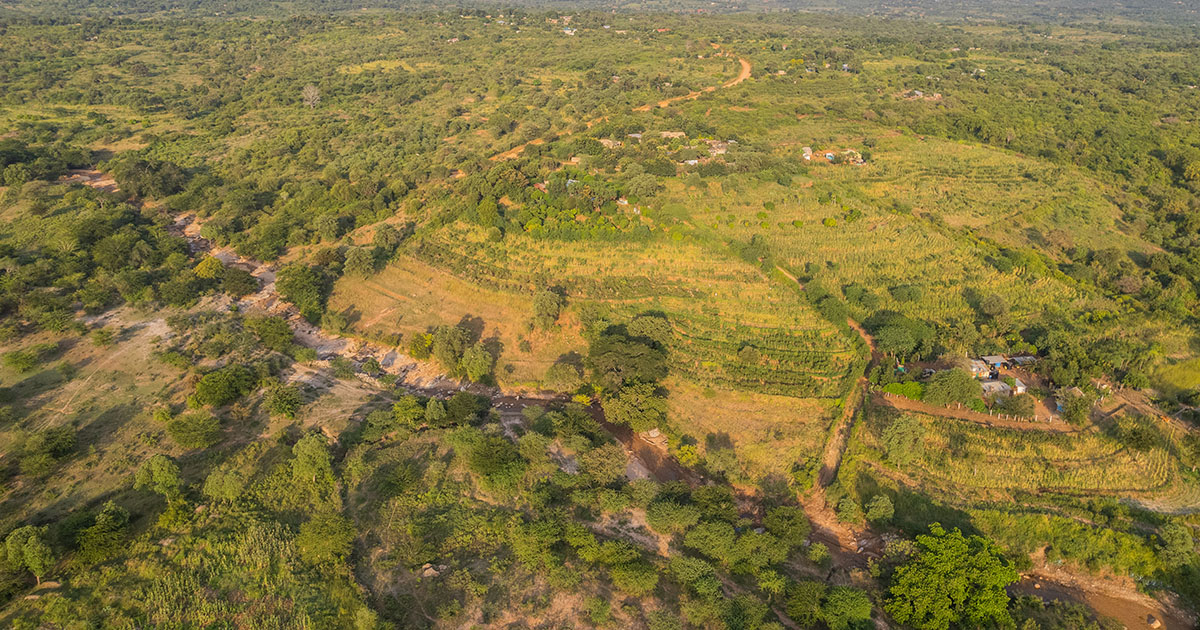








The idea that noncrop habitat enhances pest control and represents a win–win opportunity to conserve biodiversity and bolster yields has emerged as an agroecological paradigm. However, while noncrop habitat in landscapes surrounding farms sometimes benefits pest predators, natural enemy responses remain heterogeneous across studies and effects on pests are inconclusive. The observed heterogeneity in species responses to noncrop habitat may be biological in origin or could result from variation in how habitat and biocontrol are measured. Here, we use a pest-control database encompassing 132 studies and 6,759 sites worldwide to model natural enemy and pest abundances, predation rates, and crop damage as a function of landscape composition. Our results showed that although landscape composition explained significant variation within studies, pest and enemy abundances, predation rates, crop damage, and yields each exhibited different responses across studies, sometimes increasing and sometimes decreasing in landscapes with more noncrop habitat but overall showing no consistent trend. Thus, models that used landscape-composition variables to predict pest-control dynamics demonstrated little potential to explain variation across studies, though prediction did improve when comparing studies with similar crop and landscape features. Overall, our work shows that surrounding noncrop habitat does not consistently improve pest management, meaning habitat conservation may bolster production in some systems and depress yields in others. Future efforts to develop tools that inform farmers when habitat conservation truly represents a win–win would benefit from increased understanding of how landscape effects are modulated by local farm management and the biology of pests and their enemies.
This work is licensed under CC-BY 4.0

This work is licensed under CC-BY 4.0
DOI:
https://doi.org/10.1073/pnas.1800042115Score Altmetric:
Dimensions Nombre de citations:
Exporter la citation:
RIS (.ris)
TI  - Crop pests and predators exhibit inconsistent responses to surrounding landscape composition
AU  - Karp, D.S.
AU  - Chaplin-Kramer, R.
AU  - Meehan, T.D.
AU  - Martin, E.A.
AU  - DeClerck, F.
AU  - Grab, H.
AU  - Gratton, C.
AU  - Hunt, L.
AU  - Larsen, A.E.
AU  - Martínez-Salinas, A.
AU  - O’Rourke, M.E.
AU  - Rusch, A.
AU  - Poveda, K.
AU  - Jonsson, M.
AU  - Rosenheim, J.A.
AU  - Schellhorn, N.A.
AU  - Tscharntke, T.
AU  - Wratten,
AB  - The idea that noncrop habitat enhances pest control and represents a win–win opportunity to conserve biodiversity and bolster yields has emerged as an agroecological paradigm. However, while noncrop habitat in landscapes surrounding farms sometimes benefits pest predators, natural enemy responses remain heterogeneous across studies and effects on pests are inconclusive. The observed heterogeneity in species responses to noncrop habitat may be biological in origin or could result from variation in how habitat and biocontrol are measured. Here, we use a pest-control database encompassing 132 studies and 6,759 sites worldwide to model natural enemy and pest abundances, predation rates, and crop damage as a function of landscape composition. Our results showed that although landscape composition explained significant variation within studies, pest and enemy abundances, predation rates, crop damage, and yields each exhibited different responses across studies, sometimes increasing and sometimes decreasing in landscapes with more noncrop habitat but overall showing no consistent trend. Thus, models that used landscape-composition variables to predict pest-control dynamics demonstrated little potential to explain variation across studies, though prediction did improve when comparing studies with similar crop and landscape features. Overall, our work shows that surrounding noncrop habitat does not consistently improve pest management, meaning habitat conservation may bolster production in some systems and depress yields in others. Future efforts to develop tools that inform farmers when habitat conservation truly represents a win–win would benefit from increased understanding of how landscape effects are modulated by local farm management and the biology of pests and their enemies.
PY  - 2018
UR  - https://www.cifor-icraf.org/knowledge/publication/32780/
DO  - https://doi.org/10.1073/pnas.1800042115
KW  - crops, food resources, landscape, pest control, pests, predators, vegetation
ER  -
Endnote (.ciw)
%T Crop pests and predators exhibit inconsistent responses to surrounding landscape composition
%A Karp, D.S.
%A Chaplin-Kramer, R.
%A Meehan, T.D.
%A Martin, E.A.
%A DeClerck, F.
%A Grab, H.
%A Gratton, C.
%A Hunt, L.
%A Larsen, A.E.
%A Martínez-Salinas, A.
%A O’Rourke, M.E.
%A Rusch, A.
%A Poveda, K.
%A Jonsson, M.
%A Rosenheim, J.A.
%A Schellhorn, N.A.
%A Tscharntke, T.
%A Wratten,
%D 2018
%U https://www.cifor-icraf.org/knowledge/publication/32780/
%R https://doi.org/10.1073/pnas.1800042115
%X The idea that noncrop habitat enhances pest control and represents a win–win opportunity to conserve biodiversity and bolster yields has emerged as an agroecological paradigm. However, while noncrop habitat in landscapes surrounding farms sometimes benefits pest predators, natural enemy responses remain heterogeneous across studies and effects on pests are inconclusive. The observed heterogeneity in species responses to noncrop habitat may be biological in origin or could result from variation in how habitat and biocontrol are measured. Here, we use a pest-control database encompassing 132 studies and 6,759 sites worldwide to model natural enemy and pest abundances, predation rates, and crop damage as a function of landscape composition. Our results showed that although landscape composition explained significant variation within studies, pest and enemy abundances, predation rates, crop damage, and yields each exhibited different responses across studies, sometimes increasing and sometimes decreasing in landscapes with more noncrop habitat but overall showing no consistent trend. Thus, models that used landscape-composition variables to predict pest-control dynamics demonstrated little potential to explain variation across studies, though prediction did improve when comparing studies with similar crop and landscape features. Overall, our work shows that surrounding noncrop habitat does not consistently improve pest management, meaning habitat conservation may bolster production in some systems and depress yields in others. Future efforts to develop tools that inform farmers when habitat conservation truly represents a win–win would benefit from increased understanding of how landscape effects are modulated by local farm management and the biology of pests and their enemies.
%K crops
%K food resources
%K landscape
%K pest control
%K pests
%K predators
%K vegetation
Année de publication
2018
ISSN
0027-8424
Auteurs
Karp, D.S.; Chaplin-Kramer, R.; Meehan, T.D.; Martin, E.A.; DeClerck, F.; Grab, H.; Gratton, C.; Hunt, L.; Larsen, A.E.; Martínez-Salinas, A.; O’Rourke, M.E.; Rusch, A.; Poveda, K.; Jonsson, M.; Rosenheim, J.A.; Schellhorn, N.A.; Tscharntke, T.; Wratten,
Langue
English
Mots clés
crops, food resources, landscape, pest control, pests, predators, vegetation
Source
Proceedings of the National Academy of Sciences (PNAS). 115(33): E7863-E7870