






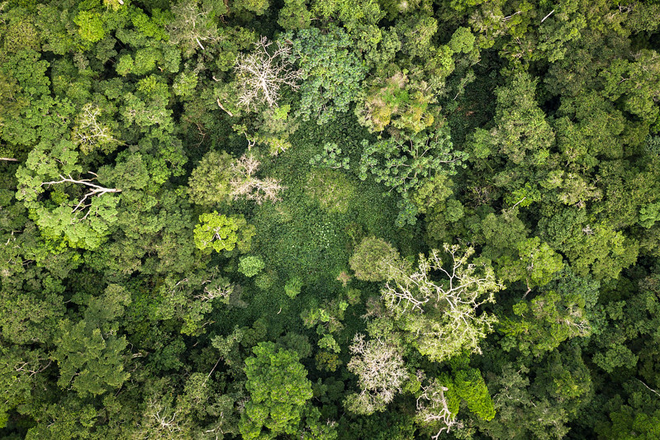



A major reduction in global deforestation is needed to mitigate climate change and biodiversity loss. Recent private sector commitments aim to eliminate deforestation from a company’s operations or supply chain, but they fall short on several fronts. Company pledges vary in the degree to which they include time-bound interventions with clear definitions and criteria to achieve verifiable outcomes. Zero-deforestation policies by companies may be insufficient to achieve broader impact on their own due to leakage, lack of transparency and traceability, selective adoption and smallholder marginalization. Public–private policy mixes are needed to increase the effectiveness of supply-chain initiatives that aim to reduce deforestation. We review current supply-chain initiatives, their effectiveness, and the challenges they face, and go on to identify knowledge gaps for complementary public–private policies.

DOI:
https://doi.org/10.1038/s41558-017-0061-1Score Altmetric:
Dimensions Nombre de citations:
Exporter la citation:
RIS (.ris)
TI  - The role of supply-chain initiatives in reducing deforestation
AU  - Lambin, E.F.
AU  - Gibbs, H.K.
AU  - Heilmayr, R.
AU  - Carlson, K.M.
AU  - Fleck, L.C.
AU  - Garret. R.D.
AU  - de Waroux, Y.P.
AU  - McDermott, C.L.
AU  - McLaughlin, D.
AU  - Newton, P.
AU  - Nolte, C.
AU  - Pacheco, P.
AU  - Rausch, L.L.
AU  - Streck, C.
AU  - Thorlakson, T.
AU  - Walker, N.F.
AB  - A major reduction in global deforestation is needed to mitigate climate change and biodiversity loss. Recent private sector commitments aim to eliminate deforestation from a company’s operations or supply chain, but they fall short on several fronts. Company pledges vary in the degree to which they include time-bound interventions with clear definitions and criteria to achieve verifiable outcomes. Zero-deforestation policies by companies may be insufficient to achieve broader impact on their own due to leakage, lack of transparency and traceability, selective adoption and smallholder marginalization. Public–private policy mixes are needed to increase the effectiveness of supply-chain initiatives that aim to reduce deforestation. We review current supply-chain initiatives, their effectiveness, and the challenges they face, and go on to identify knowledge gaps for complementary public–private policies.
PY  - 2018
UR  - https://www.cifor-icraf.org/knowledge/publication/6768/
DO  - https://doi.org/10.1038/s41558-017-0061-1
KW  - biodiversity, climate change, deforestation, mitigation, supply chain
ER  -
Endnote (.ciw)
%T The role of supply-chain initiatives in reducing deforestation
%A Lambin, E.F.
%A Gibbs, H.K.
%A Heilmayr, R.
%A Carlson, K.M.
%A Fleck, L.C.
%A Garret. R.D.
%A de Waroux, Y.P.
%A McDermott, C.L.
%A McLaughlin, D.
%A Newton, P.
%A Nolte, C.
%A Pacheco, P.
%A Rausch, L.L.
%A Streck, C.
%A Thorlakson, T.
%A Walker, N.F.
%D 2018
%U https://www.cifor-icraf.org/knowledge/publication/6768/
%R https://doi.org/10.1038/s41558-017-0061-1
%X A major reduction in global deforestation is needed to mitigate climate change and biodiversity loss. Recent private sector commitments aim to eliminate deforestation from a company’s operations or supply chain, but they fall short on several fronts. Company pledges vary in the degree to which they include time-bound interventions with clear definitions and criteria to achieve verifiable outcomes. Zero-deforestation policies by companies may be insufficient to achieve broader impact on their own due to leakage, lack of transparency and traceability, selective adoption and smallholder marginalization. Public–private policy mixes are needed to increase the effectiveness of supply-chain initiatives that aim to reduce deforestation. We review current supply-chain initiatives, their effectiveness, and the challenges they face, and go on to identify knowledge gaps for complementary public–private policies.
%K biodiversity
%K climate change
%K deforestation
%K mitigation
%K supply chain
Année de publication
2018
ISSN
1758-6798
Auteurs
Lambin, E.F.; Gibbs, H.K.; Heilmayr, R.; Carlson, K.M.; Fleck, L.C.; Garret. R.D.; de Waroux, Y.P.; McDermott, C.L.; McLaughlin, D.; Newton, P.; Nolte, C.; Pacheco, P.; Rausch, L.L.; Streck, C.; Thorlakson, T.; Walker, N.F.
Langue
English
Mots clés
biodiversity, climate change, deforestation, mitigation, supply chain
Source
Nature Climate Change. 8(1): 109-116