








Key messages
- Following approval of Articles 6.2 and 6.4 of the Paris Agreement at COP30, Indonesia is ready to implement Article 6 through several bilateral projects. Along the same line, complementing the Mutual Recognition Agreements (MRAs) with independent crediting schemes will build confidence to develop blue carbon projects.
- Indonesia’s leadership in carbon governance, such as the Indonesian Carbon Exchange (IDXCarbon), has been recognized internationally as the best in an emerging economy. However, overlapping jurisdictional authority for blue carbon ecosystems remains a fundamental institutional barrier. Transparency and a participatory regulatory drafting process would enhance early public inputs and reduce risks.
- Indonesia’s carbon market faces an urgent supply–demand imbalance, with limited domestic demand suppressing prices despite blue carbon’s premium positioning globally. Without stronger demand-side policy instruments, investment signals for blue carbon project development will remain weak.
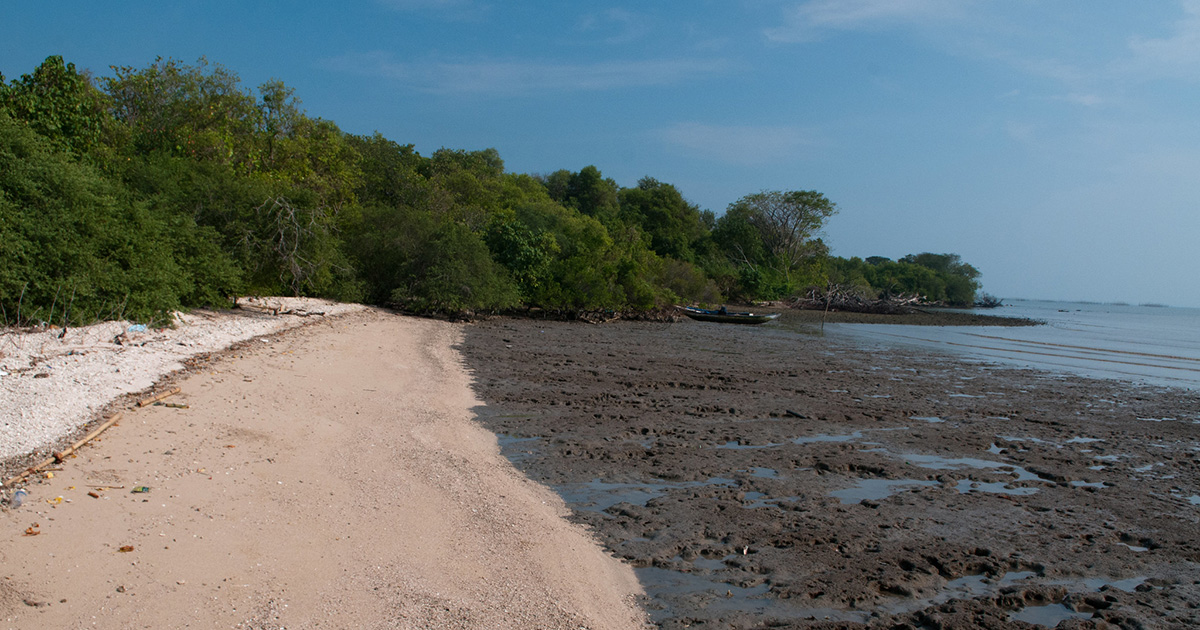
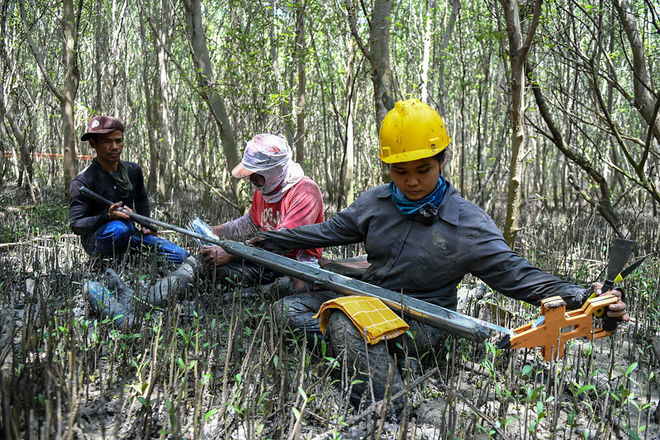
- Engaging coastal communities will boost restoration and conservation of blue carbon ecosystems, especially in mangrove ecosystems as standards and methodologies are readily available. The efforts will go beyond carbon as a number of ecosystem services may be captured in the broader context of the blue economy.
This work is licensed under CC-BY 4.0
DOI:
https://doi.org/10.17528/cifor-icraf/009449Puntuación Altmetric:
Dimensiones Recuento de citas:
Exportar la cita:
RIS (.ris)
TI  - Indonesia’s leadership in the blue carbon economy
AU  - Murdiyarso, D.
AU  - Rahayu, K.D.
AU  - Ardhani, T.S.P.
AU  - Royna, M.
AB  - Key messages

Following approval of Articles 6.2 and 6.4 of the Paris Agreement at COP30, Indonesia is ready to implement Article 6 through several bilateral projects. Along the same line, complementing the Mutual Recognition Agreements (MRAs) with independent crediting schemes will build confidence to develop blue carbon projects.
Indonesia’s leadership in carbon governance, such as the Indonesian Carbon Exchange (IDXCarbon), has been recognized internationally as the best in an emerging economy. However, overlapping jurisdictional authority for blue carbon ecosystems remains a fundamental institutional barrier. Transparency and a participatory regulatory drafting process would enhance early public inputs and reduce risks.
Indonesia’s carbon market faces an urgent supply–demand imbalance, with limited domestic demand suppressing prices despite blue carbon’s premium positioning globally. Without stronger demand-side policy instruments, investment signals for blue carbon project development will remain weak.
Engaging coastal communities will boost restoration and conservation of blue carbon ecosystems, especially in mangrove ecosystems as standards and methodologies are readily available. The efforts will go beyond carbon as a number of ecosystem services may be captured in the broader context of the blue economy.

PY  - 2026
PB  - CIFOR-ICRAF
PP  - Bogor, Indonesia and Nairobi, Kenya
UR  - https://www.cifor-icraf.org/knowledge/publication/9449/
DO  - https://doi.org/10.17528/cifor-icraf/009449
KW  - blue carbon, carbon, carbon market, coastal areas, conservation, ecosystem services, mangroves, restoration
ER  -
Endnote (.ciw)
%T Indonesia’s leadership in the blue carbon economy
%A Murdiyarso, D.
%A Rahayu, K.D.
%A Ardhani, T.S.P.
%A Royna, M.
%D 2026
%I CIFOR-ICRAF
%C Bogor, Indonesia and Nairobi, Kenya
%U https://www.cifor-icraf.org/knowledge/publication/9449/
%R https://doi.org/10.17528/cifor-icraf/009449
%X Key messages

Following approval of Articles 6.2 and 6.4 of the Paris Agreement at COP30, Indonesia is ready to implement Article 6 through several bilateral projects. Along the same line, complementing the Mutual Recognition Agreements (MRAs) with independent crediting schemes will build confidence to develop blue carbon projects.
Indonesia’s leadership in carbon governance, such as the Indonesian Carbon Exchange (IDXCarbon), has been recognized internationally as the best in an emerging economy. However, overlapping jurisdictional authority for blue carbon ecosystems remains a fundamental institutional barrier. Transparency and a participatory regulatory drafting process would enhance early public inputs and reduce risks.
Indonesia’s carbon market faces an urgent supply–demand imbalance, with limited domestic demand suppressing prices despite blue carbon’s premium positioning globally. Without stronger demand-side policy instruments, investment signals for blue carbon project development will remain weak.
Engaging coastal communities will boost restoration and conservation of blue carbon ecosystems, especially in mangrove ecosystems as standards and methodologies are readily available. The efforts will go beyond carbon as a number of ecosystem services may be captured in the broader context of the blue economy.

%K blue carbon
%K carbon
%K carbon market
%K coastal areas
%K conservation
%K ecosystem services
%K mangroves
%K restoration
Publisher
CIFOR-ICRAF: Bogor, Indonesia and Nairobi, Kenya
Año de publicación
2026
Autores
Murdiyarso, D.; Rahayu, K.D.; Ardhani, T.S.P.; Royna, M.
Idioma
English
Palabras clave
blue carbon, carbon, carbon market, coastal areas, conservation, ecosystem services, mangroves, restoration
Geográfico
Indonesia