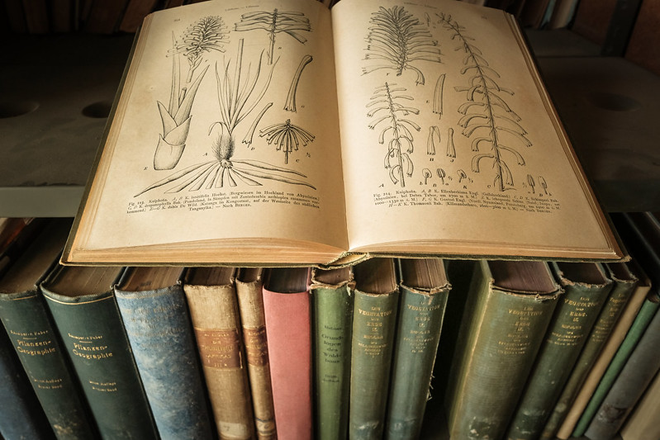
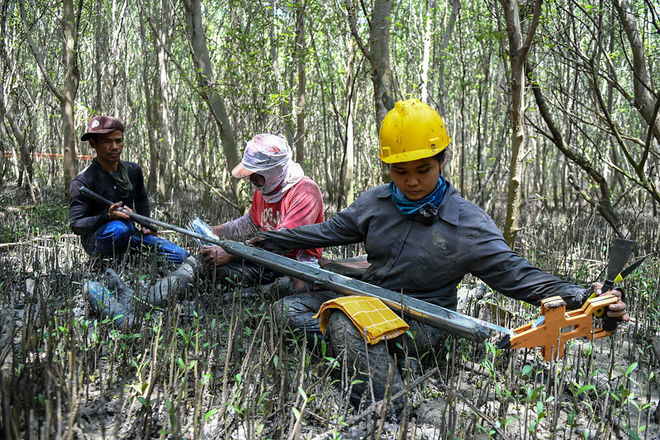

CIFOR-ICRAF produce cada año más de 750 publicaciones sobre agroforestería, bosques y cambio climático, restauración de paisajes, derechos, políticas forestales y mucho más, y en varios idiomas. .

CIFOR-ICRAF aborda retos y oportunidades locales y, al mismo tiempo, ofrece soluciones a los problemas globales relacionados con los bosques, los paisajes, las personas y el planeta.

Aportamos evidencia empírica y soluciones prácticas para transformar el uso de la tierra y la producción de alimentos: conservando y restaurando ecosistemas, respondiendo a las crisis globales del clima, la malnutrición, la pérdida de biodiversidad y la desertificación. En resumen, mejorando la vida de las personas.

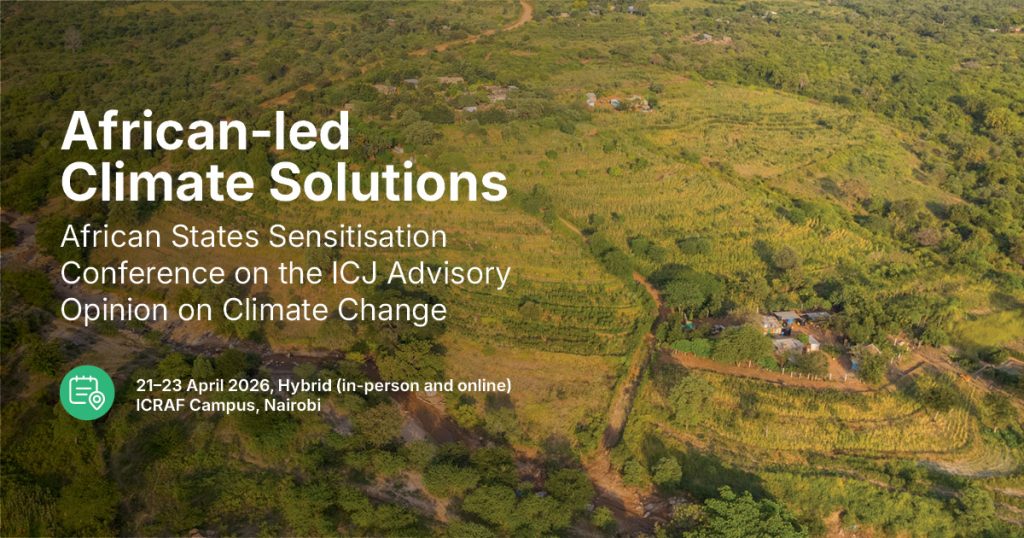
African-led Climate Solutions

African States Sensitization Conference on the ICJ Advisory Opinion on Climate Change

Background

The question of who should pay for climate-related loss and damage remains one of the most difficult issues in global climate negotiations. At its heart is a clear inequity: those who have contributed least to greenhouse gas emissions are bearing the greatest impacts.

While much attention has focused on mitigation and adaptation, progress on loss and damage (particularly on responsibility and compensation) has been limited. Efforts through the Conference of the Parties (COP) to address this challenge have largely stalled, and litigation has often proved insufficient to ensure accountability.

Consequently, the United Nations General Assembly requested an advisory opinion from the International Court of Justice (ICJ) to clarify States’ legal obligations to protect the climate system and the consequences of failing to do so.

On 23 July 2025, the ICJ issued a unanimous Advisory Opinion affirming that States have binding legal obligations and may face legal consequences for climate harm. While widely welcomed, the Court emphasized that legal action alone is not enough, and called for broader social and political responses to the climate crisis.

About the event

This three-day conference will bring together policymakers, legal experts, scientists and practitioners from across East Africa and the Horn of Africa to explore the implications of the International Court of Justice (ICJ) Advisory Opinion on the obligations of States in respect of climate change.

The event will focus on how this landmark opinion can inform practical, Africa-centred pathways for climate justice, bridging the gap between international legal principles and their implementation at regional and national levels.

At a time when climate impacts are intensifying – and disproportionately affecting African countries – this conference provides a timely platform to reflect on accountability, equity and action. Discussions will move beyond legal theory to examine how the Advisory Opinion can support policy development, climate litigation, finance and institutional coordination across the continent.

Event concept note Programme Register for online participation

Speakers
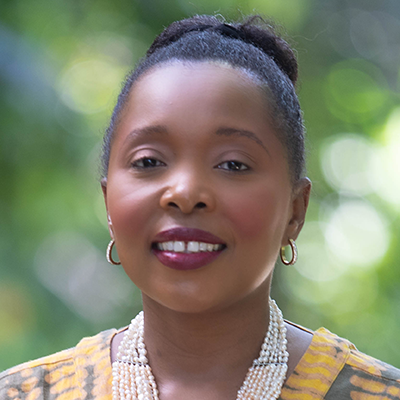
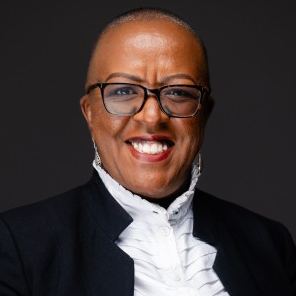
Éliane Ubalijoro

Chief Executive Officer, CIFOR-ICRAF; Director General, ICRAF

Philip Osano

Chief Operating Officer (COO), CIFOR-ICRAF

Peter Minang

Director de CIFOR-ICRAF para África

Athanase Mukuralinda

Country Coordinator, Rwanda, CIFOR-ICRAF

Rebbie Harawa

Africa Director, Country Representative – Kenya, Global Research Program Director – Resilient Farming Systems, The International Crops Research Institute for the Semi-Arid Tropics (ICRISAT)

Abdou Tenkouano

Director General & CEO of the International Centre of Insect Physiology and Ecology (icipe)

Rose Mwebaza

Director & Regional Representative Africa, United Nations Environment Programme (UNEP)

Namira Nabil Negm

Former Legal Counsel, AUC (2018-2021) and Director of the African Migration Observatory (Egypt)

George Odera-Outa

Associate Professor, Technical University of Kenya

Phoebe Okowa

Judge, International Court of Justice (Kenya)

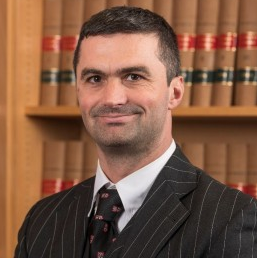
Tim Eicke

Former Judge of the European Court of Human Rights and Barrister at Essex Court Chambers, London (United Kingdom)

Gleider Hernández

Professor of Public International Law, Catholic University of Leuven, President of the European Society of International Law (Belgium)

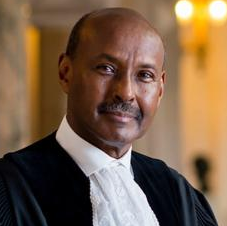
Ahmed Yusuf

Former President, International Court of Justice (Somalia)

Joe Ageyo

Group Editor-in-Chief, Nation Media Group

Luisa Rodriguez

Legal Officer, Legal Affairs Division, United Nations Framework Convention on Climate Change (UNFCCC) Secretariat

Malgosia Fitzmaurice

Professor of Public International law at the Department of Law, Queen Mary University of London; Co-director of the Centre of International Law at Queen Mary; and Full Member, Institut de Droit International (Poland)

Zhenni Li

Associate Legal Officer, ICJ (China)

Christina Hioureas

Partner, Foley Hoag LLP (USA)

Labode Popoola

Professor of Forest Economics & Sustainable Development and Executive Secretary/CEO, African Forest Forum, OGW

Meseret Fassil Assefa

Associate Legal Officer, African Union Commission/ Office of the Legal Counsel (Ethiopia)

Satishkumar Belliethathan

Head, Africa Regional Office, The Nature and Biodiversity Conservation Union (NABU) (Ethiopia)

Gerphas Opondo

Executive Director, Environmental Compliance Institute (ECI), Kenya

George Wamukoya

Team Leader, Africa Group of Negotiators Expert Support (AGNES)

Brenda Reson

CEO, Enyuatta Ecojustice Center (Kenya)

Dzimbabwe (Dzie) Chimbga

Representative, Pan African Lawyers Union (PALU) (South Africa)

James Kinyangi

Coordinator for the Climate and Development Special Fund (CDSF), Africa Development Bank (AfDB)

Wangui Kaniaru

Oxford Net Zero Policy Monitor Expert Adviser, and Former Partner, Anjarwalla & Khanna LLP (ALN Kenya)

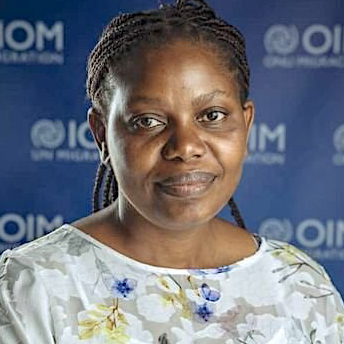
Nomagugu NCUBE

Chief of Mission, Kenya Country Office, IOM

Jackie Kado

Executive Director, Network of Science Academies in Africa (NASAC)

Arman Sarvarian

Reader in Public International Law, University of Surrey, and Barrister, Guernica 37 Chambers

Harrison Otieno Mbori

Associate Dean, Kabarak University School of Law and International Trade and Investment Lawyer