






Photo by Irene Sinoya/CIFOR-ICRAF
By Irene Sinoya
As the world commemorated the International Day of Forests (21 March) under the theme “forests and economies,” CIFOR-ICRAF and its partners turned commitment into action by planting trees, restoring ecosystems and supporting sustainable livelihoods for communities.
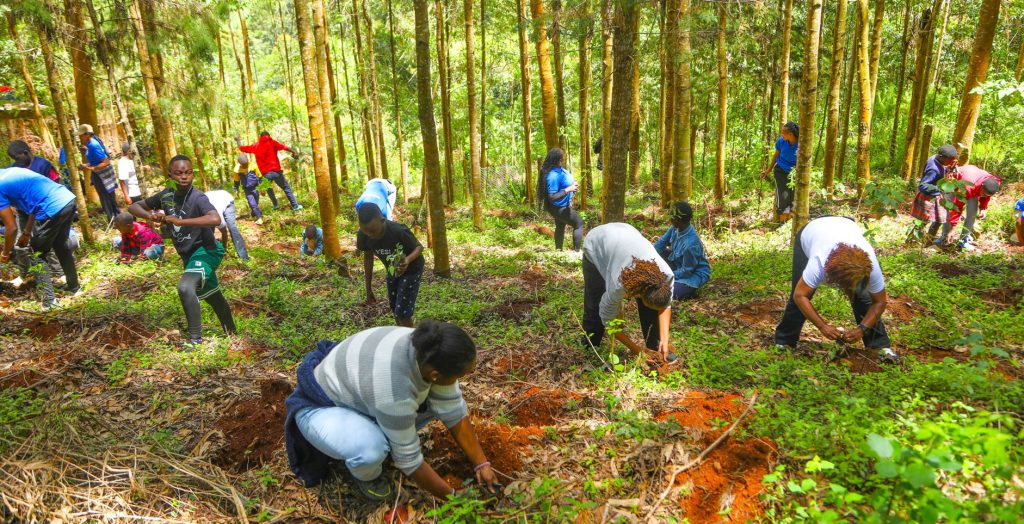
In Kenya’s Machakos County, CIFOR-ICRAF joined the Amina Live Foundation to mark the day at the Terry Child Support and Youth Resource Centre. This is a facility provides care, protection and life skills to vulnerable and rescued children. The event brought together organizations committed to environmental restoration and community resilience, with a strong focus on engaging children and youth.
Through tree-planting and environmental-education sessions with children at the centre, the initiative aimed to foster a generation of environmental stewards, young people equipped with the knowledge and responsibility to conserve trees, nurture plants and protect their environment.
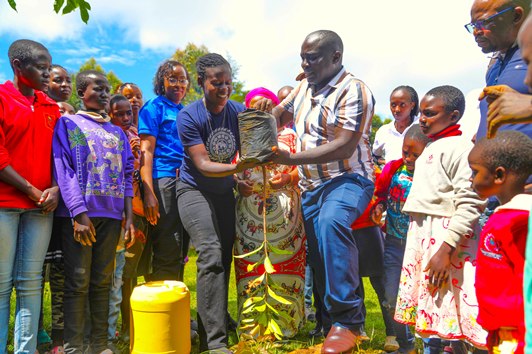
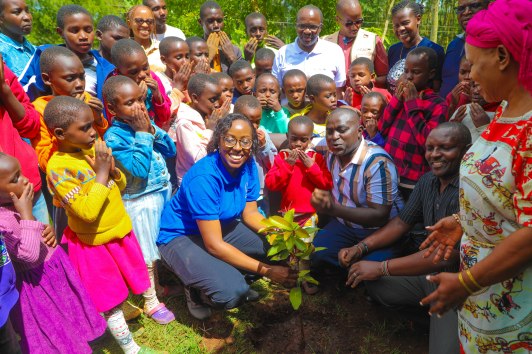
Guided by the principle of planting the right tree in the right place for the right purpose, CIFOR-ICRAF contributed a diverse mix of suitable tree species.
Beyond restoring the environment, the trees will help improve soil health, provide shade and support livelihoods. Some species also grow edible fruits while others deliver medicinal and ecological benefits.
These benefits are especially important for children in vulnerable situations. By investing in both trees and young people, the initiative helps ensure that these children grow up in a healthier environment while building a foundation for long-term sustainability.
Speaking at the event, Joshua Musau, senior research technician-forestry and nursery expert at CIFOR-ICRAF, emphasized the vital role that forests play in supporting Kenya’s economy and environmental stability.
“Forests contribute significantly to our economies. They provide timber, fuelwood, medicinal products, fruits, fodder and essential raw materials for industry. They also sustain agriculture by regulating rainfall, maintaining soil fertility and supporting pollination. As we celebrate forests, we must reflect on our responsibility to manage them sustainably,” he said.
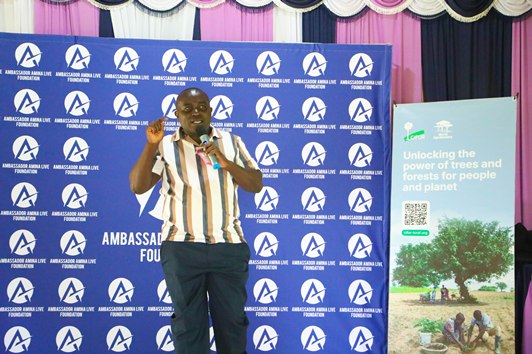
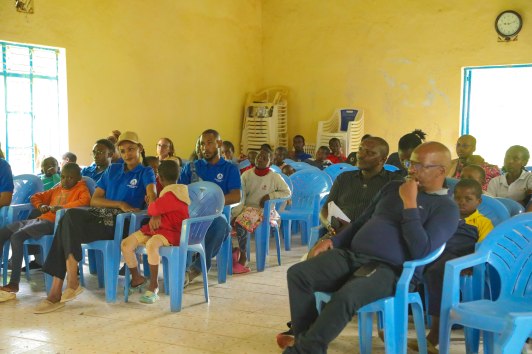
Joshua emphasized that economic gains should not come at the expense of environmental health. He called for a careful balance between tree uses and conservation to ensure forests continue to sustain both present and future generations.
At Karura Forest in Nairobi, CIFOR-ICRAF joined the Kenya Forest Service and the Friends of Karura community forest association to plant 4,000 tree seedlings spanning 43 species.
Planting trees for the restoration and conservation of forests contributes to improved soil health, increased water retention and enhanced carbon sequestration, all of which are critical in addressing climate change.
Trees and forests also support livelihoods through the provision of timber, fuelwood, non-timber forest products (such as fruits, medicinal plants and fodder) and income-generating opportunities for surrounding communities.
Through its Right Tree in the Right Place for the Right Purpose (RTRP–Seed) project, CIFOR-ICRAF is prioritizing the planting of native tree species across Kenya and other African countries to ensure long-term restoration and reforestation success.
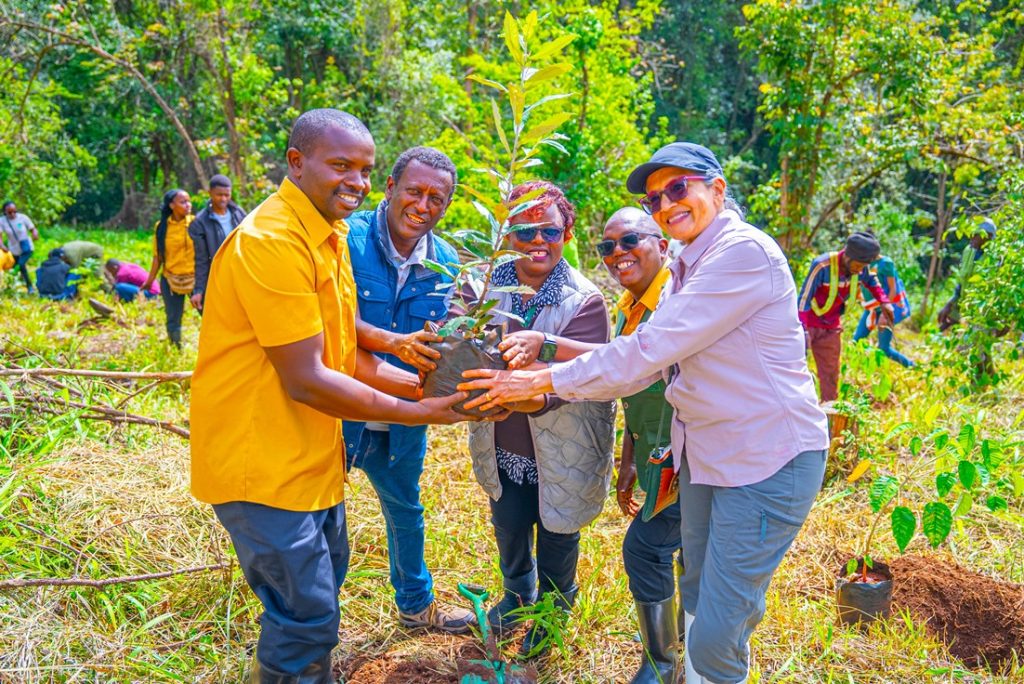
The project focuses on selecting the most suitable native tree species and establishing multi-species Breeding Seed Orchards to produce high-quality, climate-resilient seeds. These seeds are then used to grow seedlings that are planted to restore and strengthen the forest.
Native tree species are the backbone of successful forest restoration. They are naturally resilient to climate challenges, support biodiversity by providing food and habitat for wildlife, and improve soil and water systems. Prioritizing these species helps restore forests while strengthening the ecosystems and communities that depend on them.
By restoring forests and supporting communities, both the environment and the economy are protected for generations to come.

